

Are you tired of constantly unplugging devices to save on energy costs? Say goodbye to the hassle with the Ultimate Guide to Automating Standby Power Devices. Discover how you can effortlessly control and manage your electronics, maximizing efficiency and reducing wasted energy. Say hello to a smarter, more convenient way of powering your devices. Keep reading to unlock the secrets to a more sustainable and efficient lifestyle.
Understanding Standby Power
Standby power, also known as vampire power or phantom load, refers to the electricity consumed by electronic devices when they are turned off but still plugged in. This standby power consumption can account for a significant portion of a household’s energy usage, contributing to higher electricity bills and unnecessary carbon emissions. Understanding standby power is essential for individuals and businesses looking to reduce their energy consumption and environmental impact.
By identifying the devices that consume standby power and implementing strategies to minimize this energy waste, individuals can make a significant impact on their carbon footprint and save money in the long run. Awareness of standby power consumption is the first step towards making informed decisions about energy efficiency and sustainability.
Benefits of Automating Standby Power Devices
Automating standby power devices offers several benefits, including increased convenience, energy savings, and improved efficiency. By using smart plugs or power strips with built-in timers or sensors, users can easily schedule when devices should be powered on or off, reducing standby power consumption without the need for manual intervention.
Automating standby power devices not only helps to lower electricity bills but also extends the lifespan of electronic equipment by reducing unnecessary wear and tear. Additionally, by optimizing energy usage and reducing standby power consumption, individuals and businesses can contribute to a more sustainable environment and reduce their overall carbon footprint.
Benefits of Automating Standby Power Devices
Automating standby power devices offers numerous benefits for both residential and commercial settings. One of the key advantages is the reduction of energy waste when devices are not in use. By automating the standby power, you can ensure that electronics are truly powered off when not needed, saving energy and reducing electricity bills.
Furthermore, automating standby power devices enhances convenience by eliminating the need to manually switch off each device. This can lead to increased efficiency in managing power consumption and a more streamlined user experience. Additionally, automation can contribute to a greener environment by promoting sustainable energy practices and reducing carbon footprint.
Types of Standby Power Devices
Standby power devices come in various forms to suit different needs and preferences. Common types include smart power strips, standby power controllers, and smart plugs. Smart power strips allow users to control multiple devices simultaneously, while standby power controllers offer advanced scheduling and monitoring features.
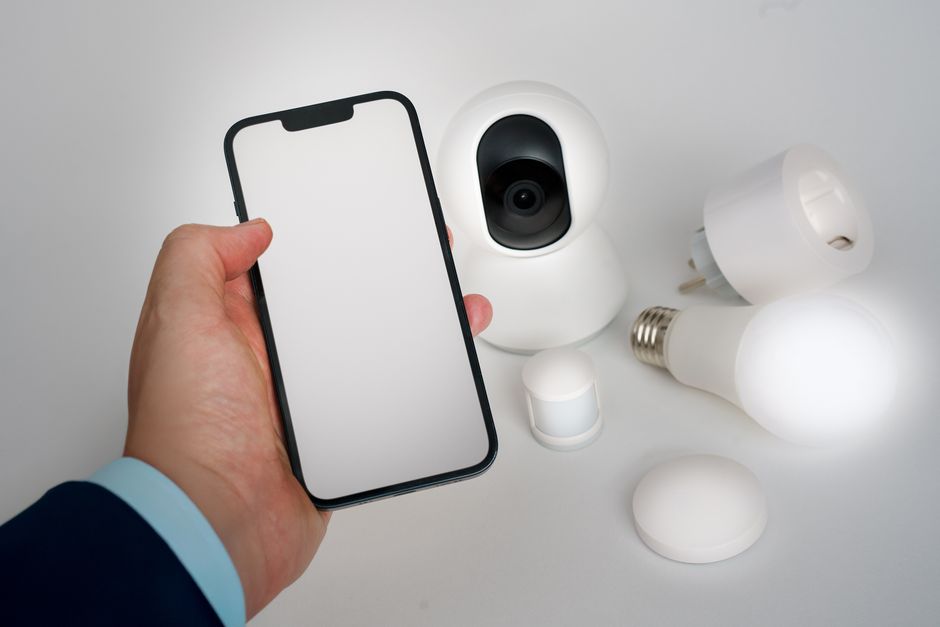
Smart plugs are another popular option that can be easily integrated into existing setups to automate standby power. These devices are versatile and can be controlled remotely via smartphone apps or voice assistants. Understanding the different types of standby power devices can help users choose the most suitable solution for their specific requirements.
Benefits of Automating Standby Power Devices
Automating standby power devices provides numerous advantages for both residential and commercial users. By automating these devices, users can reduce energy wastage significantly, leading to lower electricity bills and a smaller carbon footprint. Additionally, automation ensures that devices are only powered on when needed, increasing their lifespan and reducing the chances of malfunctions. Moreover, automation offers convenience and peace of mind by allowing users to remotely monitor and control their standby power devices, providing a sense of security and efficiency.
Types of Standby Power Devices
There are various types of standby power devices available in the market to cater to different needs and scenarios. Common types include uninterruptible power supplies (UPS), standby generators, battery backup systems, and smart plugs. UPS devices are ideal for protecting sensitive electronics from power surges and outages. Standby generators are useful for providing backup power during extended outages. Battery backup systems offer short-term power solutions for essential devices. Smart plugs enable users to control power to devices remotely, adding a level of automation to existing setups.
Types of Standby Power Devices
Standby power devices come in various types to suit different needs and preferences. Some common types include standby generators, uninterruptible power supplies (UPS), and smart power strips. Standby generators are ideal for providing backup power during extended outages and are commonly used in residential and commercial settings. UPS systems are designed to provide short-term power backup to critical devices such as computers and servers, ensuring uninterrupted operation during brief power outages. Smart power strips offer a convenient way to automate standby power by cutting off power to devices when they are not in use, helping to reduce energy waste and lower electricity bills.
How to Automate Standby Power Devices
Automating standby power devices can help improve convenience, efficiency, and energy savings. One effective way to automate standby power devices is to use smart plugs or smart power strips that can be controlled remotely via a smartphone app or voice commands. These devices allow users to schedule power on/off times, monitor energy usage, and even integrate with smart home systems for seamless automation. Additionally, setting up power management software on computers and servers can help optimize energy usage by automatically putting devices into low-power modes when not in use. By implementing these automation techniques, users can reduce standby power consumption and contribute to a more sustainable and cost-effective energy usage.
Best Practices for Automating Standby Power
Standby power automation is a key strategy for improving energy efficiency and reducing costs in both residential and commercial settings. When implementing automation for standby power devices, it is essential to first conduct a thorough energy audit to identify power-hungry appliances and devices. Prioritize automating devices that consume the most energy in standby mode, such as computers, printers, and entertainment systems. Utilize smart power strips or outlets that can automatically cut off power to devices when not in use, ensuring maximum energy savings.
Additionally, consider scheduling devices to power down during off-peak hours to further optimize energy consumption. Implementing automation for standby power devices not only reduces energy waste but also prolongs the lifespan of electronic equipment. Regularly monitor and adjust automation settings to ensure optimal performance and energy efficiency. By following these best practices, you can effectively minimize standby power consumption and contribute to a more sustainable and cost-effective energy management approach.
Standby power automation is a crucial aspect of energy efficiency and sustainability in today’s world. By understanding the benefits of automating standby power devices and implementing best practices, businesses and households can significantly reduce their energy consumption and carbon footprint. It is essential to choose the right types of standby power devices and follow proper procedures to automate them effectively. Embracing standby power automation not only saves money in the long run but also contributes to a greener environment for future generations.