

Wouldn’t it be amazing to know exactly how much energy your fridge is consuming? With a smart plug, you can easily track and monitor your fridge’s energy usage in real-time. Imagine being able to optimize your settings, reduce your electricity bill, and lower your carbon footprint, all with a few simple clicks. Learn how a smart plug can revolutionize the way you manage your home appliances and empower you to make more informed decisions about your energy consumption.
Understanding Energy Consumption
Energy consumption refers to the amount of energy consumed by a particular device or appliance over a period of time. When it comes to refrigerators, understanding energy consumption is crucial as they are one of the most energy-intensive appliances in a household. Factors such as the size of the fridge, age, energy efficiency rating, and usage patterns all play a role in determining its energy consumption.
By monitoring and analyzing the energy consumption of your fridge, you can identify areas where energy is being wasted and make adjustments to improve efficiency. This knowledge can help you make informed decisions on how to reduce energy usage, lower utility bills, and minimize your environmental impact.
Benefits of Tracking Fridge Energy Consumption
Tracking the energy consumption of your fridge offers several benefits. Firstly, it allows you to optimize energy usage and potentially save money on your electricity bills. By understanding when and how your fridge consumes energy, you can make adjustments to reduce unnecessary energy consumption.
Additionally, tracking fridge energy consumption can help you identify potential issues with the appliance, such as malfunctioning parts or inefficient operation. Early detection of these issues can save you from costly repairs or having to replace the fridge prematurely. Overall, monitoring energy consumption is a proactive approach to managing your household’s energy usage and promoting sustainability.
Benefits of Tracking Fridge Energy Consumption
Tracking your fridge’s energy consumption can lead to significant benefits for both your wallet and the environment. By monitoring how much energy your fridge is using, you can identify any inefficiencies or malfunctions that may be causing it to consume more energy than necessary. This information allows you to make informed decisions about when to repair or replace your fridge, ultimately saving you money on energy bills in the long run.
Additionally, tracking fridge energy consumption can help you reduce your carbon footprint by promoting energy efficiency. By understanding how your fridge uses energy, you can adjust your usage habits or invest in energy-saving appliances to minimize your overall energy consumption. This proactive approach not only benefits you financially but also contributes to a more sustainable and eco-friendly lifestyle.
Setting Up a Smart Plug for Your Fridge
Setting up a smart plug for your fridge can revolutionize the way you monitor and control its energy consumption. Smart plugs allow you to remotely track and manage your fridge’s energy usage through connected apps or devices. By simply plugging your fridge into a smart plug, you can access real-time data on energy consumption, set schedules for optimal energy usage, and even receive alerts for any unusual spikes in energy consumption.
This level of control not only enhances your ability to track and analyze energy usage but also provides convenience and peace of mind. With a smart plug, you can make informed decisions about your fridge’s energy consumption, adjust settings to maximize efficiency, and ultimately reduce your energy costs while maintaining a more sustainable household.
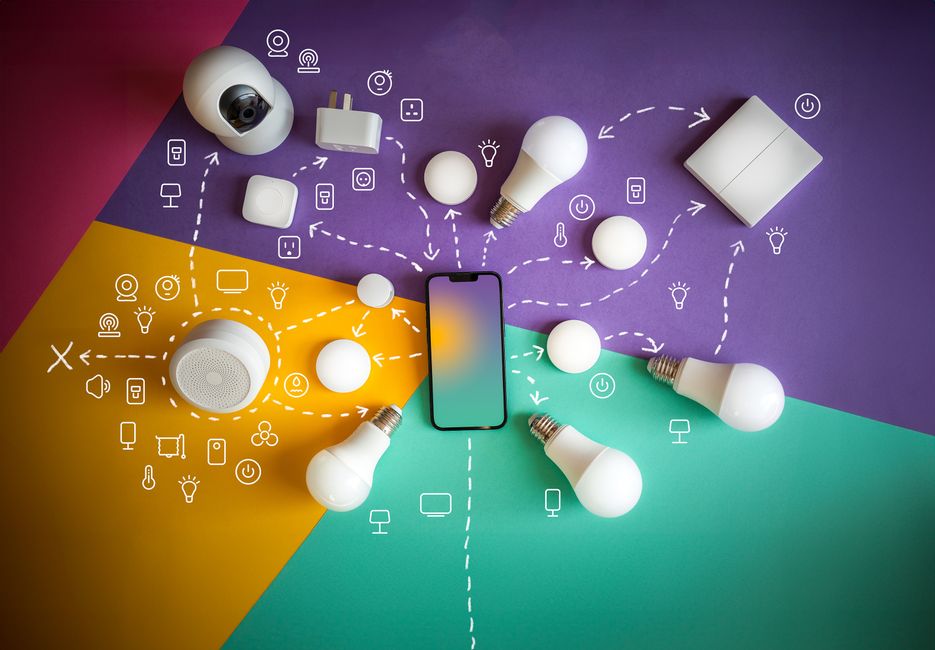
Setting Up a Smart Plug for Your Fridge
Setting up a smart plug for your fridge is a straightforward process that can lead to significant energy savings. Begin by selecting a smart plug compatible with your fridge model and home network. Ensure that the smart plug can handle the power requirements of your refrigerator to avoid any issues. Next, plug your fridge into the smart plug and connect the smart plug to your Wi-Fi network using the manufacturer’s app.
Once the smart plug is connected, you can easily monitor and control your fridge’s energy consumption remotely. Schedule on and off times for your fridge to optimize energy usage, and receive real-time alerts if there are any unusual spikes in energy consumption. By setting up a smart plug for your fridge, you can take control of your energy usage and reduce unnecessary electricity costs.
Monitoring and Analyzing Data
Monitoring and analyzing data related to your fridge’s energy consumption is crucial in understanding your household’s energy usage patterns. By tracking and reviewing the data collected from your smart plug, you can gain valuable insights into when your fridge consumes the most energy, how it compares to previous periods, and identify any abnormal spikes in energy usage.
Utilizing this data, you can make informed decisions on optimizing your fridge’s energy efficiency, such as adjusting the temperature settings, organizing the contents inside for better airflow, or even considering an upgrade to a more energy-efficient model. Regularly monitoring and analyzing this data empowers you to take proactive steps towards reducing your overall energy consumption and ultimately saving on your electricity bills.
Tips for Energy Efficiency
Energy efficiency is a key aspect of reducing your carbon footprint and lowering your energy costs. Simple tips like keeping your fridge well-stocked to maintain temperature stability, ensuring proper ventilation around the appliance, and regular defrosting can go a long way in maximizing energy efficiency.
Additionally, investing in energy-efficient appliances, using smart plugs to monitor energy consumption, and implementing energy-saving practices like setting the fridge temperature to the recommended levels can significantly impact your overall energy usage. By following these tips and staying mindful of your energy consumption habits, you can contribute to a more sustainable environment while saving money on your utility bills in the long run.
Tips for Energy Efficiency
Energy efficiency is crucial for reducing electricity consumption and saving money on your energy bills. Here are some tips to help you improve the energy efficiency of your fridge:
Optimal Temperature Settings
Maintain the fridge temperature between 37-40 degrees Fahrenheit and the freezer at 0-5 degrees Fahrenheit. This range ensures food safety while minimizing energy use.
Regular Defrosting
Defrost your fridge regularly to prevent ice buildup, which can increase energy consumption. Keep the coils clean to optimize cooling efficiency.
Proper Placement
Place your fridge away from heat sources, such as ovens and direct sunlight. Allow for proper airflow around the appliance to enhance cooling performance.
Check Seals and Insulation
Regularly inspect the door seals for any gaps or damage that could lead to energy loss. Replace faulty seals and ensure proper insulation to maintain energy efficiency.
It’s clear that tracking and managing your fridge’s energy consumption can lead to significant cost savings and environmental benefits. By understanding how much energy your fridge is using, you can make informed decisions to optimize its efficiency and reduce your overall energy consumption. Setting up a smart plug for your fridge allows for easy monitoring and data analysis, giving you valuable insights into your energy usage patterns. By implementing energy-efficient tips and strategies, you can further reduce your carbon footprint and contribute to a more sustainable environment. In conclusion, taking control of your fridge’s energy consumption is a proactive step towards a greener and more cost-effective lifestyle.