

Designing a Smart Lighting Setup for Your Home Office can transform your workspace into a productive and energizing environment. Imagine being able to adjust the lighting levels with just a tap on your phone, or setting up different lighting scenes for focused work or relaxation. With the right smart lighting system, you can create the perfect ambiance to boost your creativity and concentration. Let’s explore how you can design a smart lighting setup that caters to your specific needs and enhances your home office experience.
Benefits of Smart Lighting
Save Energy and Money: Smart lighting systems allow you to control when lights are on or off, adjust brightness levels, and schedule lighting based on your needs. This can lead to significant energy savings and lower electricity bills over time.
Enhanced Convenience: With smart lighting, you can easily control your lights from anywhere using your smartphone or voice commands. You can create custom lighting scenes for different activities or moods, and even set up automation to turn lights on and off automatically.
Improved Security: Smart lighting can be integrated with security systems to make it seem like someone is home even when you’re away. Motion sensors and timers can deter potential intruders, while remote access allows you to check and control your lights while you’re not at home.
Factors to Consider Before Setting Up Smart Lighting
Compatibility: Before investing in smart lighting products, ensure that they are compatible with your existing smart home ecosystem or hub. This will help to avoid compatibility issues and ensure a seamless integration with other devices.
Placement and Coverage: Consider the layout of your home and the areas where you want to install smart lights. Think about the coverage needed, the type of lighting required for each space, and whether you need additional accessories like motion sensors or dimmer switches.
Benefits of Smart Lighting
Smart lighting offers a wide range of benefits that can enhance both the functionality and ambiance of your home or workspace. One of the key advantages is energy efficiency, as smart lights can be programmed to automatically adjust brightness levels based on natural light or occupancy, leading to potential cost savings on electricity bills. Additionally, smart lighting systems can improve security by allowing you to remotely control your lights while away, giving the appearance that someone is home. Furthermore, the ability to customize the color and intensity of the lights can create different moods and atmospheres to suit various activities or preferences.
Factors to Consider Before Setting Up Smart Lighting
Before diving into setting up a smart lighting system, it’s important to consider several key factors to ensure a successful implementation. First, assess your specific lighting needs and preferences to determine the type of smart lights that would best suit your space. Consider factors such as the compatibility with existing fixtures, the level of automation desired, and whether you prefer a wireless or wired setup. It’s also crucial to evaluate the scalability of the system, especially if you plan to expand it in the future. Additionally, take into account the ease of installation and the compatibility with other smart home devices you may already own to create a seamless and integrated experience.
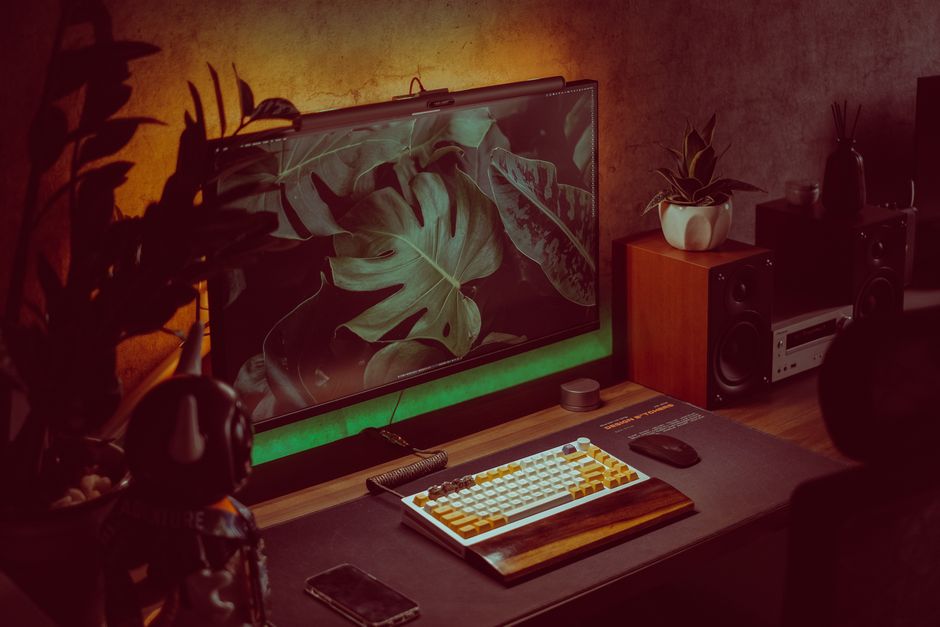
Benefits of Smart Lighting
Enhance your living space with the benefits of smart lighting. Smart lighting not only provides convenience and energy efficiency but also offers a range of benefits for your home or office. With smart lighting, you can easily adjust the brightness, color, and schedule of your lights to suit your preferences and create the perfect ambiance for any occasion. Additionally, smart lighting can help you save on energy costs by automatically turning off lights when not in use and adjusting brightness levels based on natural light availability. Enjoy the flexibility and control that smart lighting brings to your space, making your environment more comfortable and inviting.
Choosing the Right Smart Lighting Products
Make informed decisions when selecting smart lighting products for your space. Before investing in smart lighting products, consider factors such as compatibility with your existing smart home ecosystem, ease of installation, and the features offered by the products. Look for smart bulbs, switches, and hubs that are compatible with popular smart home platforms like Amazon Alexa, Google Assistant, or Apple HomeKit to ensure seamless integration. Consider the type of lighting control you desire, whether it’s color-changing capabilities, dimming options, or motion sensors. Evaluate the scalability of the products to ensure they can meet your current and future lighting needs. By choosing the right smart lighting products, you can create a personalized and efficient lighting system that enhances your daily life.
Setting Up Your Smart Lighting System
Setting up your smart lighting system involves a few key steps to ensure a smooth and efficient installation process. Firstly, make sure you have all the necessary smart lighting products, such as smart bulbs, switches, and hubs, ready to be installed. Next, determine the placement of each smart light to optimize the lighting in your space.
Once you have your products and placement plan ready, follow the manufacturer’s instructions carefully to set up each smart light. This may involve connecting the lights to your home network, configuring settings in a mobile app, and grouping lights into rooms or zones. Finally, test the functionality of each smart light to ensure they are working correctly and adjust any settings as needed to achieve the desired lighting effects.
Customizing and Automating Your Smart Lighting
After setting up your smart lighting system, customizing and automating your lighting preferences can enhance your overall experience. Utilize the features offered by your smart lighting products, such as adjusting brightness levels, changing color temperatures, and creating schedules for automated lighting.
Take advantage of smart home platforms like Amazon Alexa or Google Assistant to control your smart lights with voice commands. Additionally, explore the option of integrating your smart lighting system with other smart devices in your home for a seamless and interconnected experience. By customizing and automating your smart lighting, you can create the perfect ambiance for any occasion with ease.
Customizing and Automating Your Smart Lighting
Customizing and automating your smart lighting system allows you to create personalized lighting experiences tailored to your preferences and lifestyle. With the right smart lighting products and setup, you can easily adjust the color, brightness, and scheduling of your lights to enhance comfort, convenience, and energy efficiency.
Customization options can include creating lighting scenes for different activities, such as movie nights or dinner parties, as well as setting up automated schedules to turn lights on and off at specific times. Integration with voice assistants or smart home platforms can further enhance the automation capabilities of your smart lighting system, allowing for seamless control and coordination with other smart devices in your home.
Smart lighting systems offer a plethora of benefits and conveniences for modern homes and businesses alike. From energy savings to enhanced security, the advantages are undeniable. By carefully considering factors such as compatibility, budget, and desired features, you can make informed decisions when setting up your smart lighting system. Choosing the right products from reputable brands ensures reliability and functionality.
Once your smart lighting system is in place, customization and automation allow you to tailor the lighting experience to your preferences and lifestyle. Whether you want to create ambiance, improve productivity, or increase efficiency, smart lighting can adapt to your needs. In conclusion, embracing smart lighting technology can transform your space, making it more comfortable, efficient, and enjoyable.