
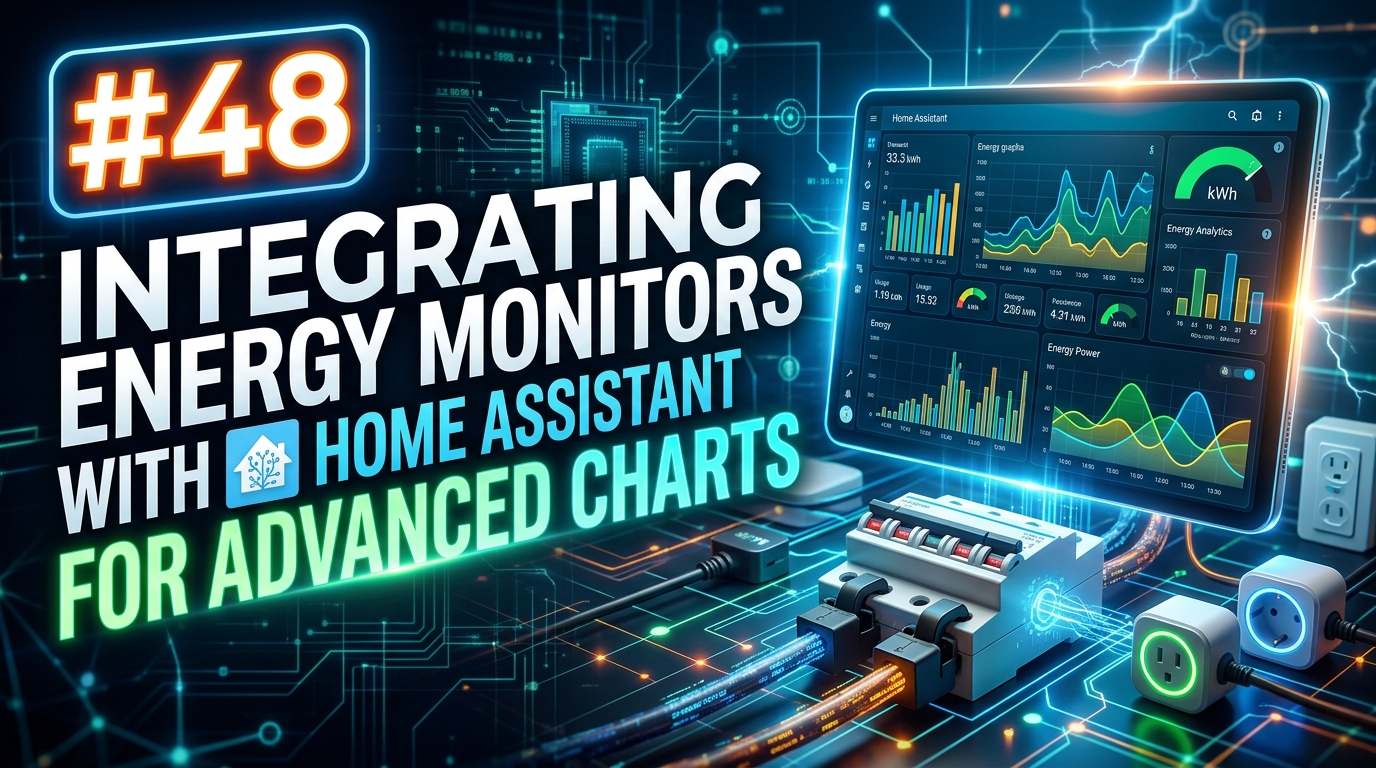
In a world where smart technology continues to revolutionize daily living, the integration of energy monitors with Home Assistant is a game-changer. Imagine having the power to track and optimize your energy usage in real-time, all at your fingertips. With advanced charts and data visualization, you can take control of your energy consumption like never before. Join us on this journey as we explore the possibilities of merging energy monitoring with Home Assistant, and discover how it can empower you to make informed decisions for a more efficient and sustainable lifestyle.
Setting up Home Assistant
Home Assistant is a powerful open-source home automation platform that allows you to control and monitor various devices in your home. To set up Home Assistant, start by installing it on a supported device like a Raspberry Pi or a server. Once installed, you can access the Home Assistant interface through a web browser where you can configure different integrations, automation rules, and customize your dashboard.
Installing Energy Monitors
Energy monitors are essential devices for tracking and analyzing energy consumption in your home. To install an energy monitor, you first need to select a suitable model based on your requirements and compatible with Home Assistant. Follow the manufacturer’s instructions to install the monitor, usually by connecting it to your home’s electrical system. Once installed, integrate the energy monitor with Home Assistant to start monitoring and analyzing your energy usage data for a more energy-efficient home.
Setting up Home Assistant
Home Assistant is a powerful platform for setting up your smart home automation. To begin, you’ll need to install and configure Home Assistant on your preferred device or server. This can be achieved by following the official installation guide, which provides step-by-step instructions for different operating systems. Once Home Assistant is up and running, you can start adding devices and integrations to customize your smart home experience.
Installing Energy Monitors
Energy monitors are essential tools for tracking and optimizing energy usage in your home. To install an energy monitor in Home Assistant, you first need to ensure compatibility with the platform. Once confirmed, you can proceed to integrate the energy monitor with Home Assistant using the supported protocols or APIs. By installing energy monitors, you gain valuable insights into your energy consumption patterns, enabling you to make informed decisions to reduce waste and lower your utility bills.
Configuring Home Assistant Integration
Configuring integrations in Home Assistant is crucial for seamless communication between devices and services. Begin by accessing the Integrations menu in the Home Assistant dashboard and selecting the desired integration to configure. Follow the prompts to input the necessary details such as API keys, device IDs, and authentication credentials. Once the integration is successfully configured, you can start leveraging the interconnected functionalities within Home Assistant to create a more efficient and personalized smart home environment.
Configuring Home Assistant Integration
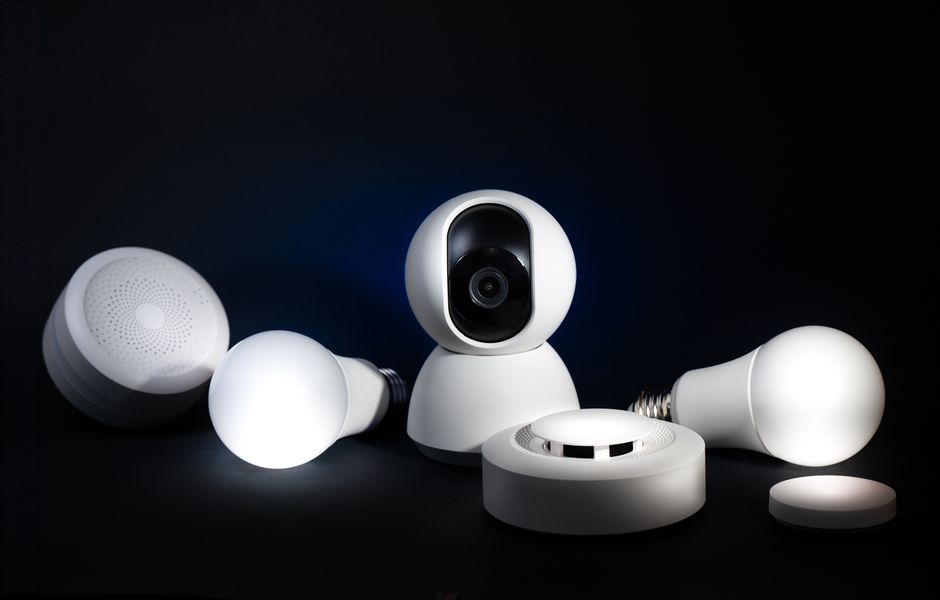
Home Assistant offers seamless integration with a wide range of smart home devices, allowing you to create a centralized hub for controlling and monitoring your home. To configure integrations in Home Assistant, you can access the integrations page from the Configuration menu. Here, you can easily add new integrations by selecting from the list of available options or searching for specific integrations. Once added, you can customize the settings for each integration to tailor it to your specific needs. This allows you to unlock the full potential of your smart home devices and create a truly personalized home automation system.
Creating Advanced Charts
Advanced charts in Home Assistant provide valuable insights into your energy usage, home automation activities, and more. By utilizing the built-in charting capabilities, you can visualize data trends, identify patterns, and make informed decisions to optimize your smart home setup. To create advanced charts, you can leverage the powerful Grafana integration in Home Assistant. This integration allows you to create custom dashboards with interactive charts, graphs, and widgets that display real-time data from your connected devices. With advanced charts, you can track energy consumption, monitor device statuses, and analyze historical data to enhance the efficiency and functionality of your smart home.
Creating Advanced Charts
Advanced charts are essential for visualizing complex data in your Home Assistant setup. To create impactful visual representations, you can utilize plugins and custom configurations within Home Assistant. By integrating charting libraries like Chart.js or Highcharts, you can display detailed information about your energy consumption, home automation statuses, and more. These charts can be customized to show data trends, comparisons, and real-time updates, providing you with valuable insights into your smart home environment.
Customizing Dashboard
Customizing your dashboard in Home Assistant allows you to tailor the user interface to your specific needs and preferences. You can arrange widgets, cards, and panels to create a layout that suits your workflow best. By adjusting themes, colors, and fonts, you can personalize the visual appeal of your dashboard. Furthermore, you can add shortcuts, automations, and quick access buttons to streamline your interactions with Home Assistant. Customizing your dashboard enhances usability and ensures that you have quick access to the most important information at a glance.
Customizing Dashboard
Customizing your Home Assistant dashboard is essential to tailor the interface to your specific needs and preferences. You can rearrange elements, change themes, add custom widgets, and personalize the overall look and feel of your dashboard. By customizing your dashboard, you can improve usability, enhance visual appeal, and create a more intuitive user experience. Whether you want to showcase specific information prominently or simplify the layout for easier navigation, customization allows you to make your dashboard truly your own.
To customize your dashboard effectively, explore the various options available within Home Assistant settings. Experiment with different configurations, colors, and widgets to find the perfect setup that suits your lifestyle and requirements. Remember that a well-designed dashboard not only provides valuable information at a glance but also enhances the overall smart home experience for you and your family.
Home automation has never been easier with the integration of Home Assistant and energy monitors. By setting up and configuring these tools effectively, you can gain valuable insights into your energy usage and optimize your home for efficiency and convenience. The advanced charts and customizable dashboards provide a user-friendly interface to monitor and control various aspects of your home seamlessly.
As you continue to explore the capabilities of Home Assistant and energy monitors, you’ll discover new ways to enhance your living space and reduce your environmental footprint. The possibilities are endless, from scheduling automated tasks to analyzing detailed energy consumption data. Embrace the power of smart home technology and take control of your living environment like never before.