
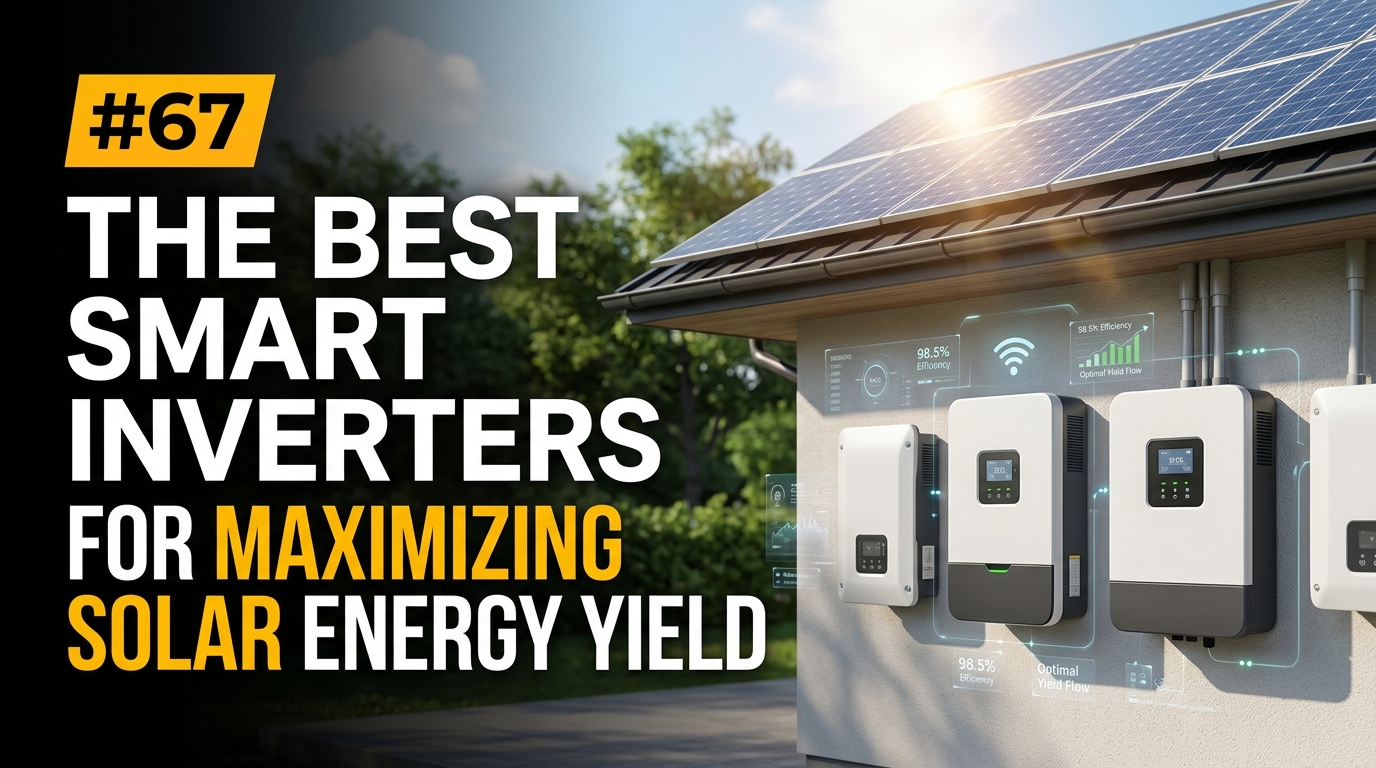
Discover the latest breakthrough in solar technology with the best smart inverters designed to revolutionize the way you harness solar energy. These cutting-edge devices are specifically engineered to maximize your solar energy yield, providing you with unmatched efficiency and performance. Say goodbye to traditional inverters and unlock the full potential of your solar system with these innovative solutions. Keep reading to find out how you can take your solar energy production to the next level.
Top Features to Look for in Smart Inverters
Efficiency: One of the key features to consider in smart inverters is their efficiency in converting DC electricity from solar panels to AC electricity for household use. Look for inverters with high efficiency ratings to maximize the energy output of your solar system.
Monitoring and Control: Opt for smart inverters that offer advanced monitoring and control capabilities. These features allow you to track the performance of your solar system in real-time, diagnose issues remotely, and adjust settings to optimize energy production.
Grid Support Functions: Smart inverters with grid support functions are essential for ensuring grid stability and safety. These features enable inverters to regulate voltage and frequency, provide reactive power support, and comply with grid requirements, enhancing the overall reliability of your solar energy system.
Comparison of Leading Smart Inverters on the Market
When considering the purchase of a smart inverter for your solar energy system, it is essential to compare the leading options available in the market. One key factor to assess is the efficiency of the inverter in converting DC power from solar panels into usable AC power for your home. Look for inverters with high efficiency ratings to maximize the energy output of your system.
Another crucial aspect to compare is the monitoring and control capabilities of smart inverters. Evaluate the software and monitoring platforms provided by different manufacturers to ensure that you can easily monitor the performance of your solar energy system in real-time. Additionally, consider the compatibility of the inverter with other smart devices and systems to enable seamless integration and control of your entire energy ecosystem.

Benefits of Using Smart Inverters in Solar Energy Systems
Increased Energy Efficiency: Smart inverters optimize the performance of solar energy systems by continuously monitoring and adjusting the conversion of DC power from solar panels to AC power for use in homes or businesses. This optimization leads to higher energy efficiency and increased electricity production, ultimately reducing energy costs for users.
Enhanced Monitoring and Control: Smart inverters provide real-time data on energy production and consumption, allowing users to track system performance and make informed decisions to maximize energy savings. Additionally, these inverters offer remote monitoring and control capabilities, enabling users to manage their solar energy systems conveniently from anywhere, ensuring optimal performance and peace of mind.
Installation Guide for Smart Inverters
Mounting the Inverter: Begin by selecting a suitable location for the inverter near the solar panels. Ensure the mounting surface is sturdy and can support the weight of the inverter. Follow the manufacturer’s instructions for proper mounting techniques to ensure safety and efficiency.
Electrical Connections: Next, carefully connect the DC input from the solar panels to the inverter and the AC output from the inverter to the electrical panel of your home. Double-check all connections to ensure they are secure and properly insulated to prevent any electrical hazards.
Configuring Settings: Once the physical installation is complete, access the inverter’s interface to configure settings such as grid connection parameters, voltage limits, and communication settings. Consult the user manual for detailed instructions on how to optimize the inverter’s performance for your specific solar energy system.
Testing and Commissioning: Before activating the inverter, perform thorough testing to ensure all connections are correct and the inverter is functioning as expected. Monitor the inverter’s performance during the initial startup phase to detect any issues and make necessary adjustments for optimal operation.
Maintenance Tips for Smart Inverters
Regular Cleaning: One essential maintenance tip for smart inverters is to ensure they are kept clean. Dirt, dust, and debris can accumulate on the surface of the inverter, affecting its performance. Regularly clean the inverter with a soft, dry cloth to prevent any build-up that may hinder its efficiency.
Monitoring Performance: Another important maintenance tip is to regularly monitor the performance of the smart inverter. Use the monitoring software provided by the manufacturer to track the inverter’s performance metrics such as energy production, voltage levels, and error codes. By keeping a close eye on these indicators, you can quickly identify any issues that may arise and address them promptly to ensure the inverter continues to function optimally.
Conclusion: Choosing the Right Smart Inverter for Your Solar Energy System
Consider Your System Requirements: When choosing a smart inverter for your solar energy system, it is crucial to consider your specific system requirements. Evaluate factors such as the size of your solar panel array, the power output needed, and any specific features you require for optimal performance.
Compare Options Carefully: Take the time to compare different smart inverter models on the market. Look at key features, such as monitoring capabilities, efficiency ratings, warranty terms, and compatibility with other system components. By comparing options carefully, you can ensure that you select a smart inverter that meets your needs and offers the best value for your investment.