
Discover how the seamless integration of microinverters with smart energy dashboards is revolutionizing the way we monitor and optimize our renewable energy systems. Dive into the world of cutting-edge technology that is enhancing energy efficiency and empowering users to take control of their energy consumption like never before.
Benefits of Microinverters
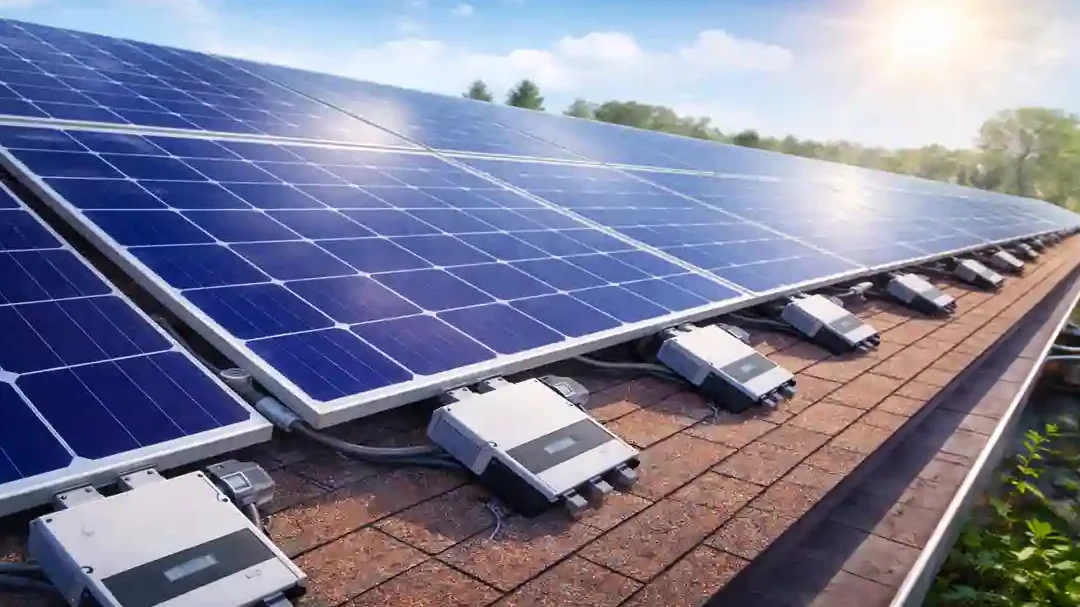
Increased Energy Production: Microinverters optimize the performance of solar panels by converting the DC electricity they produce into AC electricity at the panel level. This individualized approach ensures that shading or malfunctions in one panel do not affect the output of the entire system, resulting in higher energy production.
Enhanced Monitoring and Maintenance: Microinverters offer real-time monitoring of each solar panel’s performance, allowing for quick identification of issues such as panel malfunctions or shading. This level of detail enables timely maintenance and troubleshooting, ultimately leading to improved system reliability and longevity.
Overview of Smart Energy Dashboards
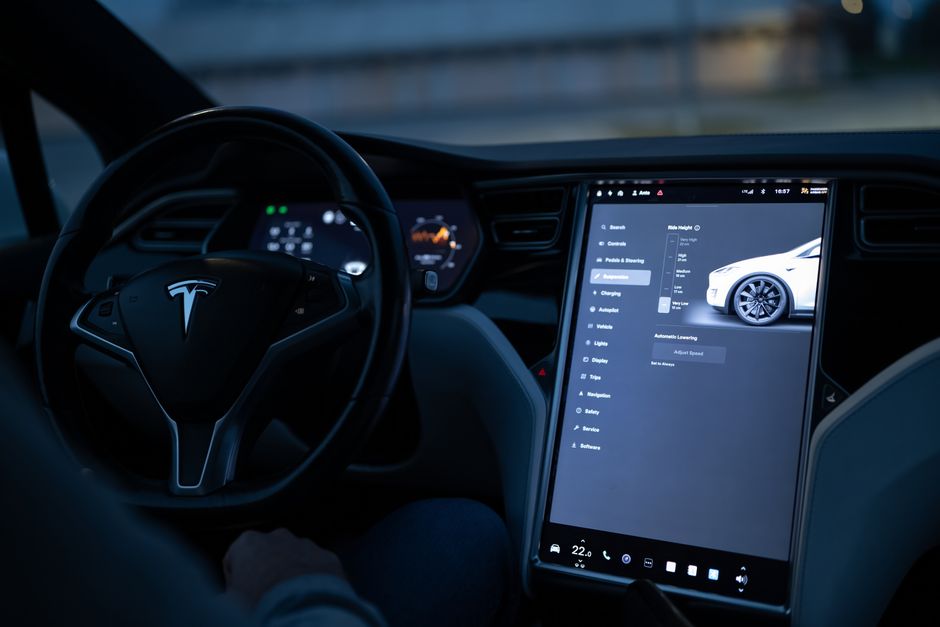
Smart energy dashboards are digital tools that provide real-time monitoring and analysis of energy consumption data. These dashboards offer insights into electricity usage patterns, allowing users to track their energy consumption, identify areas of inefficiency, and make informed decisions to optimize energy usage. By visualizing data in an easy-to-understand format, smart energy dashboards empower individuals and organizations to take control of their energy usage and reduce costs.
Key features of smart energy dashboards include customizable dashboards, historical data analysis, energy usage comparisons, and real-time alerts. With these features, users can set energy consumption goals, track progress, and receive notifications when energy usage exceeds predefined thresholds. Smart energy dashboards also enable users to monitor the performance of renewable energy systems, such as solar panels or wind turbines, and integrate data from smart meters and other IoT devices for a comprehensive view of energy usage and generation.
Integration Process
Overview: The integration process refers to the steps involved in incorporating microinverters and smart energy dashboards into an existing solar energy system. This process typically involves connecting the microinverters to the solar panels and linking them to the smart energy dashboard for monitoring and control.
Key Steps: The integration process starts with assessing the compatibility of the microinverters with the existing solar panels and determining the optimal placement of the inverters. Next, the microinverters are physically installed and connected to the solar panels, ensuring proper wiring and connections. Once the hardware setup is complete, the smart energy dashboard is configured and linked to the microinverters for real-time monitoring of energy production and consumption.
Case Studies
Case studies provide real-world examples of how a product or service has been implemented successfully. In the context of microinverters, case studies can showcase specific projects where microinverters were used and the benefits they provided. These studies often include details such as the project scope, challenges faced, solutions implemented, and outcomes achieved. By examining case studies, individuals and businesses can gain valuable insights into the practical applications of microinverters and understand their potential impact on energy efficiency and cost savings.
Residential Solar Installation
In a residential solar installation case study, a homeowner decided to upgrade their solar system with microinverters to maximize energy production. By replacing traditional string inverters with microinverters, each solar panel could operate independently, leading to improved performance, especially in shaded areas. The case study highlights how the homeowner experienced increased energy output and efficiency, resulting in lower electricity bills and a quicker return on investment. Additionally, the reliability and monitoring capabilities of microinverters provided the homeowner with peace of mind and a better understanding of their energy usage patterns.
Best Practices
System Design: When designing a solar energy system with microinverters, it is crucial to consider factors such as shading, panel orientation, and system size to maximize energy production. Proper system design can significantly improve overall performance and efficiency.
Regular Monitoring: Monitoring the performance of the solar energy system is essential to identify any issues or inefficiencies promptly. Utilizing smart energy dashboards or monitoring software can provide real-time data on energy production, allowing for quick troubleshooting and maintenance.
The adoption of microinverters and smart energy dashboards presents a significant opportunity for homeowners and businesses to enhance their energy efficiency and sustainability efforts. By leveraging these technologies, users can monitor and optimize their energy usage in real-time, leading to potential cost savings and reduced environmental impact. The integration process, although complex, is well worth the initial investment as it provides long-term benefits.
In conclusion, the combination of microinverters and smart energy dashboards is a game-changer in the renewable energy sector. As more individuals and organizations prioritize sustainability, these technologies will play a crucial role in achieving energy independence and reducing reliance on traditional power sources. Moving forward, continued advancements in this field will drive further innovation and accessibility, ultimately leading to a greener and more efficient energy landscape.