
Discover the future of sustainable living with Off-Grid Smart Homes, where cutting-edge technology meets environmental consciousness. By automating systems for maximum energy independence, these innovative homes are revolutionizing the way we think about energy consumption. Join us on a journey to explore how Off-Grid Smart Homes are reshaping the way we live and interact with our environment.
Benefits of Off-Grid Smart Homes
Cost Savings: Off-grid smart homes offer significant cost savings in the long run by reducing or eliminating utility bills. With renewable energy sources like solar panels and wind turbines, homeowners can generate their electricity, leading to lower energy expenses over time.
Environmental Sustainability: Off-grid smart homes contribute to environmental sustainability by reducing reliance on traditional energy sources that emit greenhouse gases. By using clean energy sources, homeowners can lower their carbon footprint and help combat climate change.
Key Components of Off-Grid System
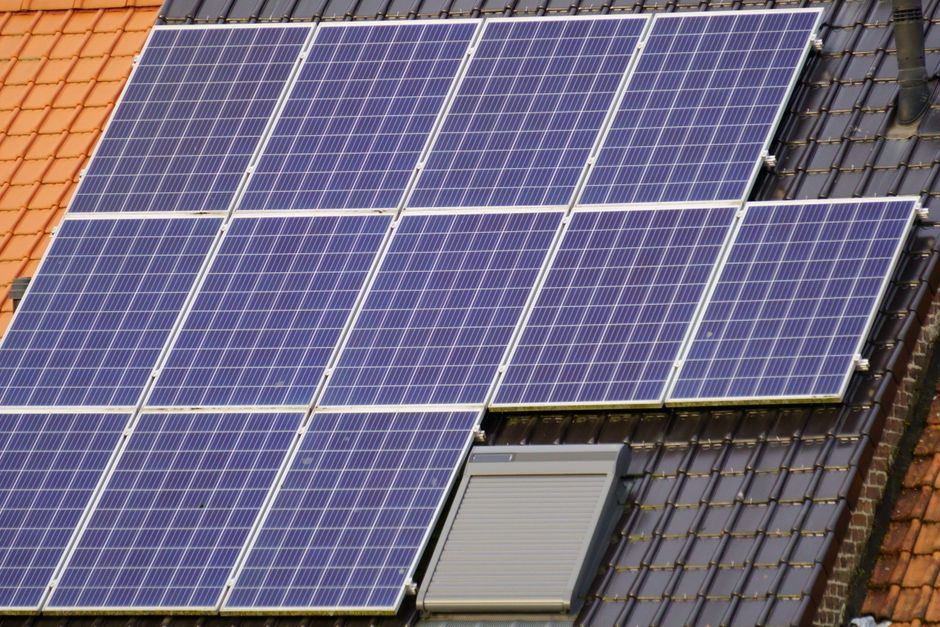
Solar Panels: Solar panels are a crucial component of off-grid systems, as they capture sunlight and convert it into electricity. These panels can be mounted on rooftops or in open spaces to maximize exposure to sunlight. The amount of energy generated depends on the size and efficiency of the solar panels.
Battery Storage: Battery storage is essential for off-grid systems to store excess energy generated during sunny days for use during periods of low sunlight or at night. Deep-cycle batteries are commonly used in off-grid setups due to their ability to withstand frequent charging and discharging cycles. Proper maintenance and monitoring of battery storage are critical to ensure the longevity and efficiency of the system.
Automation Technologies for Energy Efficiency
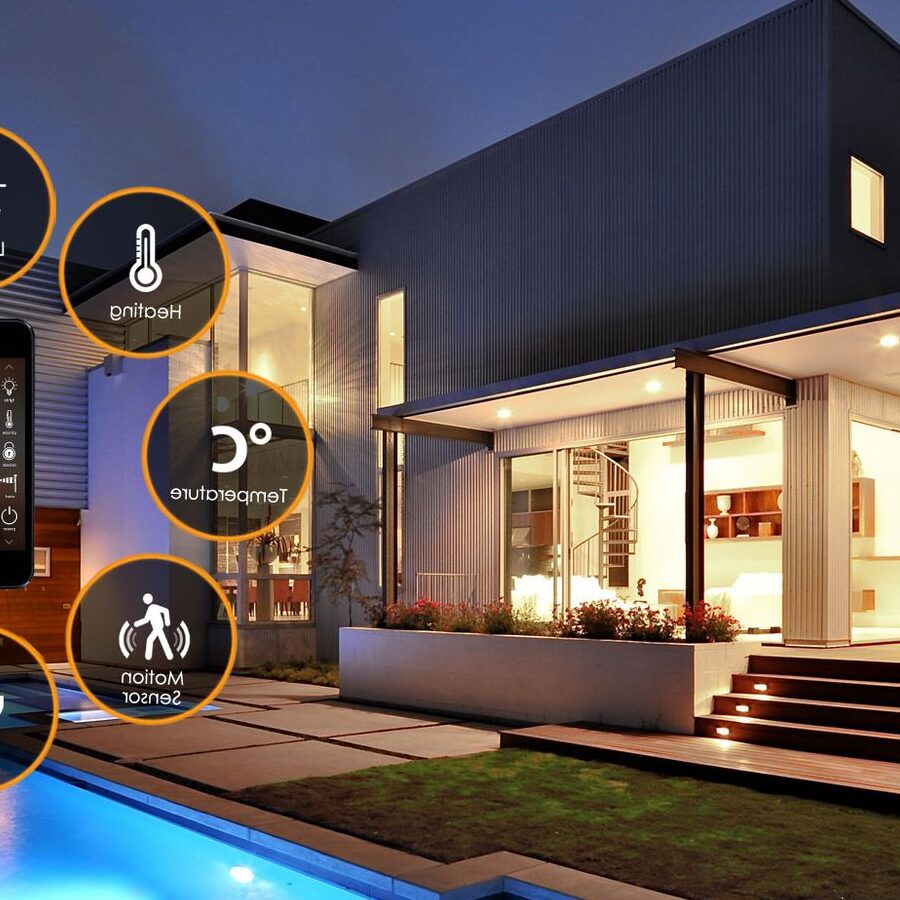
Smart thermostats: Smart thermostats are a key automation technology that enhances energy efficiency in off-grid smart homes. These devices can learn the occupants’ behavior and adjust the temperature settings accordingly, optimizing energy consumption without compromising comfort.
Lighting control systems: Automation technologies like lighting control systems allow homeowners to schedule and control lighting levels throughout the day. By utilizing sensors and timers, energy-efficient lighting solutions can be implemented, reducing electricity usage and prolonging the lifespan of bulbs.
Case Studies of Off-Grid Smart Homes
Case Study 1: Eco-Friendly Retreat
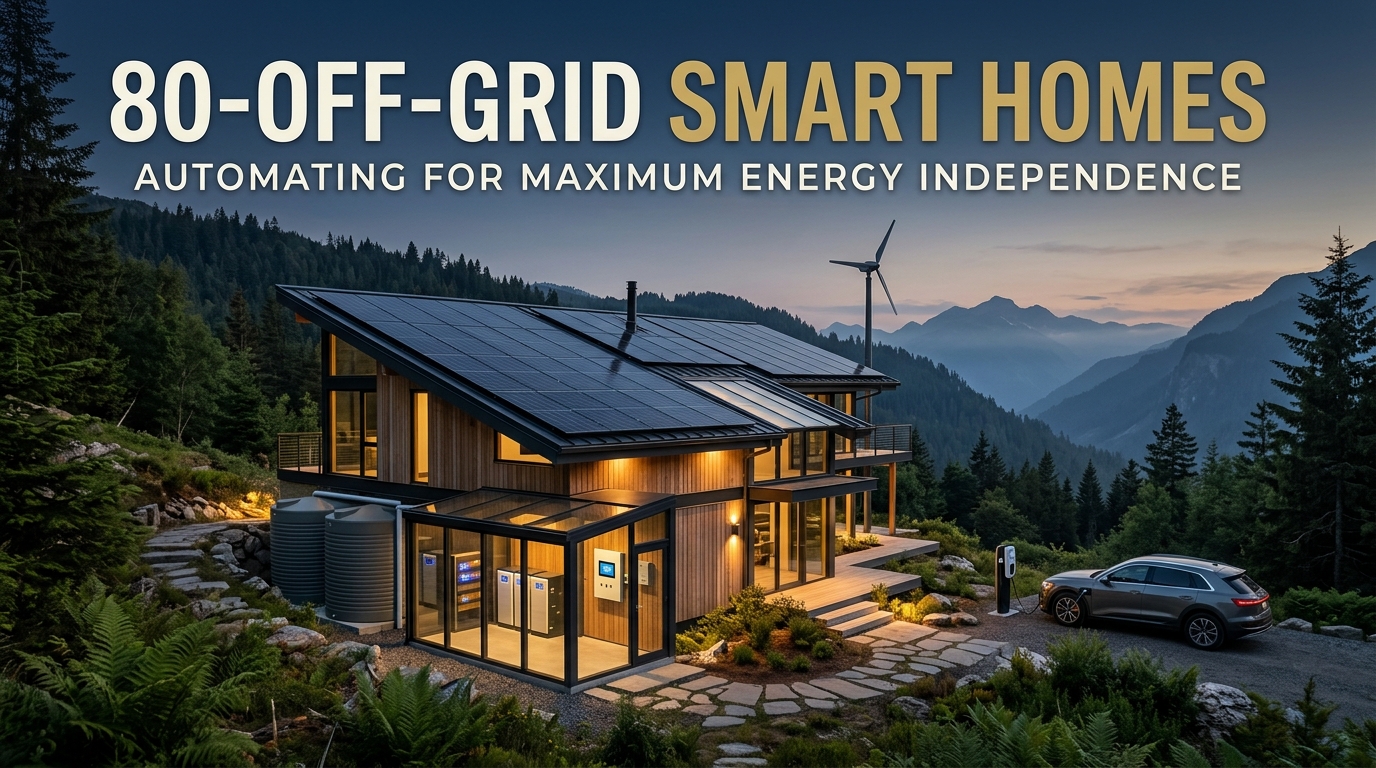
In this case study, we explore an off-grid smart home located in a remote mountainous area. The house is equipped with solar panels for energy generation, rainwater harvesting system for water supply, and a smart home automation system to optimize energy usage. Residents enjoy a sustainable lifestyle surrounded by nature, with minimal impact on the environment.
Case Study 2: Urban Sustainable Living
This case study focuses on an off-grid smart home in the heart of a bustling city. The house features a combination of solar panels, wind turbines, and geothermal heating for energy independence. Smart technologies control lighting, heating, and appliances, providing residents with a comfortable and eco-friendly living environment. The integration of renewable energy sources and automation technologies showcases the feasibility of off-grid living even in urban settings.
Challenges and Solutions
Challenges: Implementing off-grid smart homes poses several challenges that need to be addressed. One major challenge is the initial high cost of setting up an off-grid system, including solar panels, batteries, and smart devices. This can be a barrier for many homeowners looking to transition to sustainable living. Additionally, off-grid systems rely heavily on unpredictable renewable energy sources like solar and wind, making energy storage and backup solutions crucial for uninterrupted power supply.
Solutions: To overcome these challenges, innovative solutions are being developed in the off-grid smart home sector. One solution is the advancement of battery storage technology to improve energy storage capacity and efficiency. This allows homeowners to store excess energy generated during peak production times for use during low production periods. Another solution is the integration of energy management systems that optimize energy usage based on real-time data, ensuring efficient consumption and reducing overall energy costs. Additionally, financial incentives and government rebates can help offset the initial setup costs, making off-grid smart homes more accessible to a wider audience.
In conclusion, off-grid smart homes represent a sustainable and innovative approach to residential living. By integrating renewable energy sources, advanced automation technologies, and efficient energy management systems, these homes offer a promising solution to reduce reliance on traditional grid power. The benefits of off-grid smart homes, such as cost savings, environmental impact reduction, and increased self-sufficiency, make them an attractive option for homeowners looking to embrace a more sustainable lifestyle.
Furthermore, the key components of off-grid systems, including solar panels, energy storage solutions, smart appliances, and monitoring devices, play a vital role in optimizing energy usage and maximizing efficiency. While challenges such as high initial costs, technological limitations, and regulatory barriers exist, ongoing advancements in renewable energy technologies and automation systems continue to drive the evolution of off-grid smart homes. Overall, the journey towards sustainable living through off-grid smart homes is a promising path that combines environmental responsibility with modern technological innovation.