
In the ever-evolving world of technology, the debate between local API control and cloud-dependent devices continues to spark curiosity and intrigue. Understanding the differences between these two approaches is crucial for navigating the landscape of smart devices and home automation. Delving into the intricacies of local API control versus cloud-dependent devices can provide valuable insights into their respective advantages and limitations. Join us on this journey as we explore the fascinating realm of smart technology and discover how these distinct approaches shape our connected world.
Local API Control: Pros and Cons
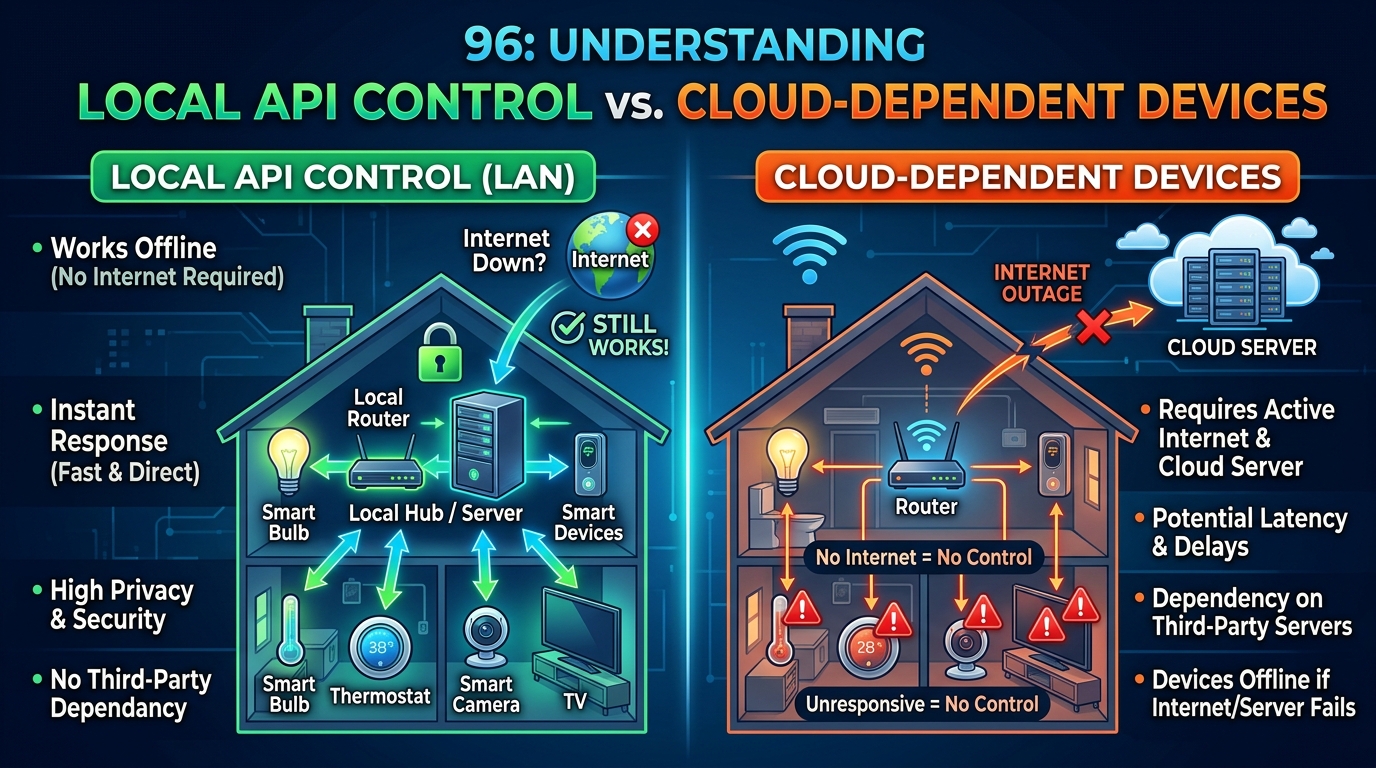
Local API control offers several advantages for users seeking direct management of their devices. One key benefit is the ability to operate devices offline, ensuring functionality even in the absence of an internet connection. This can be crucial in scenarios where network reliability is a concern or where privacy and data security are top priorities. Additionally, local API control often provides faster response times as commands are executed directly between the user’s device and the controlled appliance, minimizing potential delays associated with cloud-based communication.
However, local API control also comes with its own set of drawbacks. One significant limitation is the lack of remote access, meaning users cannot control their devices when they are away from their local network. This can be inconvenient for individuals who require constant monitoring or management of their appliances from different locations. Furthermore, setting up and maintaining a local API infrastructure may require a higher level of technical expertise compared to utilizing cloud-dependent solutions, potentially posing a barrier to entry for less tech-savvy users.
Cloud-Dependent Devices: Benefits and Drawbacks
Benefits: Cloud-dependent devices offer unparalleled convenience and accessibility. Users can access their devices from anywhere with an internet connection, making it ideal for remote monitoring and control. The cloud also provides seamless synchronization across multiple devices, ensuring data consistency and real-time updates. Additionally, cloud services often come with robust security measures, ensuring data protection and privacy.
Drawbacks: Despite the advantages, cloud-dependent devices are susceptible to connectivity issues. Reliance on internet connectivity means that downtime or network outages can disrupt device functionality. Furthermore, concerns about data privacy and security arise as sensitive information is stored on remote servers. In some cases, cloud services may introduce latency, impacting real-time responsiveness and performance.

Key Differences Between Local API Control and Cloud-Dependent Devices
Local API Control: Local API control allows users to directly interface with devices within their local network. This means that commands and data exchange occur locally without the need for an internet connection. One key advantage of local API control is enhanced privacy and security as data does not need to be transmitted over the internet, reducing the risk of interception or hacking. However, a limitation of local API control is that it may be more challenging to access devices remotely, requiring additional setup for external access.
Cloud-Dependent Devices: On the other hand, cloud-dependent devices rely on internet connectivity to operate and communicate with servers hosted in the cloud. The primary benefit of cloud-dependent devices is the ability to access and control them from anywhere with an internet connection, offering greater flexibility and convenience. However, this reliance on the cloud introduces potential security vulnerabilities and privacy concerns, as data is stored and processed on external servers beyond the user’s control. Additionally, cloud outages or service disruptions can impact device functionality, highlighting a key drawback of cloud-dependent systems.
Case Studies: Implementing Local API Control
Case Study 1: Company A, a small manufacturing firm, decided to implement local API control for their production line. By integrating their machinery with a local API system, they were able to streamline operations, increase efficiency, and reduce downtime. The ability to customize and fine-tune the system according to their specific requirements provided Company A with a competitive edge in the market.
Case Study 2: Municipality B adopted local API control for their smart city initiatives. By connecting various public services such as transportation, waste management, and energy systems through a local API network, Municipality B improved service delivery, optimized resource allocation, and enhanced overall urban sustainability. The secure and reliable nature of local API control ensured data privacy and minimized external dependencies, leading to a more resilient and efficient city infrastructure.
Case Studies: Utilizing Cloud-Dependent Devices
Case Study 1: Company X, a multinational corporation, decided to implement cloud-dependent devices in its offices worldwide to streamline communication and collaboration. By using cloud-based solutions for email, file storage, and project management, employees were able to access data from anywhere, facilitating remote work and enhancing productivity. However, the company faced challenges with data security and privacy concerns due to the reliance on external servers.
Case Study 2: Startup Y opted for cloud-dependent devices to scale its operations rapidly without significant infrastructure investments. By leveraging cloud services for hosting, customer relationship management, and analytics, the company achieved agility and cost-efficiency. Nevertheless, occasional downtime and internet connectivity issues posed operational risks, impacting the overall reliability of the services provided.
The future of smart devices lies in a delicate balance between local API control and cloud-dependent solutions. Both approaches have their advantages and drawbacks, and the optimal choice depends on specific use cases and preferences. Local API control offers enhanced privacy and security, allowing users to have more control over their data and devices. On the other hand, cloud-dependent devices provide seamless remote access and centralized management, ideal for users who prioritize convenience and accessibility.
Ultimately, the decision between local API control and cloud-dependent devices should be based on individual needs and priorities. As technology continues to evolve, we can expect to see further advancements in both areas, offering users even more flexibility and customization options. It’s essential for consumers and businesses to stay informed about the latest developments in smart device technology to make informed decisions that align with their goals and values.