

Motion sensor lighting is a game-changer when it comes to saving money and energy. By automatically turning on and off in response to movement, these innovative lighting systems not only provide convenience but also contribute to significant cost savings. Whether you’re looking to reduce your electricity bill or simply streamline your home or office lighting setup, motion sensor lighting rules are a must-know for anyone seeking efficiency and sustainability.
Benefits of Motion Sensor Lighting
Enhanced Security: Motion sensor lighting provides an added layer of security to your property by detecting any movement in the surrounding area and triggering the lights to turn on. This can deter potential intruders and help keep your home or business safe.
Energy Efficiency: One of the key benefits of motion sensor lighting is its energy-saving capabilities. By only turning on when motion is detected, these lights help reduce energy consumption compared to traditional lighting systems that stay on constantly. This not only lowers electricity bills but also contributes to a more sustainable environment.
Energy Saving Tips with Motion Sensor Lighting
Optimal Placement: To maximize energy savings with motion sensor lighting, it’s important to place the lights strategically in areas where motion is most likely to be detected. Avoid placing them in areas with frequent false triggers, such as near trees or bushes that move in the wind.
Adjust Sensitivity Settings: Many motion sensor lights come with adjustable sensitivity settings. By fine-tuning these settings based on your specific needs, you can ensure that the lights only activate when necessary, further reducing energy waste and increasing overall efficiency.
How Motion Sensor Lighting Works
Motion sensor lighting works by detecting movement within its range using infrared technology or other sensors. When motion is detected, the lights are triggered to turn on, providing illumination in the surrounding area. This technology is particularly useful for outdoor security lighting, as it can deter potential intruders by lighting up dark areas when motion is detected.
Best Practices for Installing Motion Sensor Lighting
When installing motion sensor lighting, it is important to place the sensors in strategic locations to ensure optimal performance. Position the sensors in areas where they can detect motion easily without being obstructed by objects or vegetation. Additionally, adjust the sensitivity and range settings according to your specific needs to avoid false triggers. Regularly check and clean the sensors to maintain their effectiveness and ensure proper functionality.
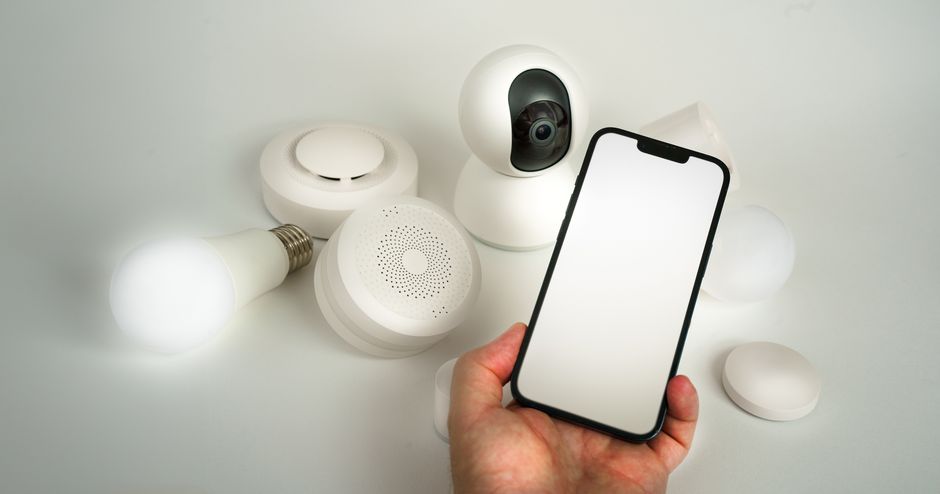
Best Practices for Installing Motion Sensor Lighting
Proper Placement: When installing motion sensor lighting, it’s crucial to carefully consider the placement of the sensors. Aim to position them in areas where they can easily detect motion without being triggered by false alarms, such as moving tree branches or pets. Additionally, ensure that the sensors have a clear line of sight to the areas you want to illuminate.
Adjust Sensitivity: Most motion sensor lights come with adjustable sensitivity settings. Take the time to fine-tune these settings to match your specific needs. This will help prevent unnecessary activations while still providing adequate security and convenience. Regularly test the sensitivity levels to ensure optimal performance.
Energy Saving Tips with Motion Sensor Lighting
LED Bulbs: Opt for energy-efficient LED bulbs in your motion sensor lighting setup. LED bulbs consume less energy and have a longer lifespan compared to traditional incandescent bulbs, helping you save on electricity costs in the long run. Look for LED bulbs with the appropriate brightness level for your intended use.
Timer Settings: Utilize timer settings on your motion sensor lights to control when they activate and for how long. Adjusting the timer settings can help further optimize energy usage by ensuring that the lights only illuminate when needed. Consider programming the lights to turn off during daylight hours or late at night to maximize energy savings.
Energy Saving Tips with Motion Sensor Lighting
Motion sensor lighting is not only convenient and enhances security, but it also helps in saving energy. Here are some energy-saving tips to maximize the efficiency of your motion sensor lighting system:
Optimize sensor placement: Make sure your motion sensors are strategically placed to detect movement effectively without triggering false alarms. Avoid placing them near heat sources or in direct sunlight.
Adjust sensitivity and duration: Customize the sensitivity and duration settings of your motion sensor lights to ensure they only activate when necessary. This can help reduce unnecessary energy consumption.
Use LED bulbs: LED bulbs are energy-efficient and have a longer lifespan compared to traditional incandescent bulbs. Consider switching to LED bulbs to further reduce energy usage and maintenance costs.
Implement zoning: Divide your outdoor lighting into zones based on usage patterns. By zoning your motion sensor lights, you can control when and where the lights are activated, optimizing energy usage.
Common Mistakes to Avoid with Motion Sensor Lighting
While motion sensor lighting offers numerous benefits, there are common mistakes that can diminish its effectiveness and energy-saving potential. Avoid these pitfalls to ensure optimal performance:
Neglecting maintenance: Regularly clean the sensors and light fixtures to prevent dirt or debris from interfering with their operation. Replace batteries as needed to maintain reliable performance.
Overlooking weatherproofing: Ensure that your motion sensor lights are weatherproofed to withstand outdoor elements. Proper weatherproofing can prevent damage and prolong the lifespan of your lighting system.
Ignoring adjustments: Periodically review and adjust the settings of your motion sensor lights to accommodate changes in your environment or usage patterns. Fine-tuning these settings can enhance energy efficiency and security.
Common Mistakes to Avoid with Motion Sensor Lighting
When it comes to motion sensor lighting, there are some common mistakes that homeowners should be aware of in order to maximize the benefits of this technology. One common mistake is improper placement of the motion sensor. Placing the sensor in an area where it can be easily triggered by pets, wildlife, or moving branches can lead to frequent false alarms, reducing the effectiveness of the lighting system.
Another mistake to avoid is neglecting to regularly clean and maintain the motion sensor. Dust, dirt, and debris can accumulate over time, affecting the sensor’s sensitivity and accuracy. It’s important to periodically clean the sensor to ensure optimal performance. Additionally, failing to adjust the sensor’s settings based on changing environmental conditions can lead to inefficient operation. By avoiding these common mistakes, homeowners can ensure that their motion sensor lighting system functions effectively and efficiently.
Conclusion: Maximizing Savings with Motion Sensor Lighting
Maximizing savings with motion sensor lighting is not just about reducing energy costs, but also enhancing security and convenience. By strategically placing motion sensor lights in key areas around your property, you can deter potential intruders and improve visibility during nighttime hours. Additionally, motion sensor lights can contribute to a more sustainable lifestyle by reducing unnecessary energy consumption. Remember to regularly maintain your motion sensor lighting system to ensure optimal performance and longevity.