

Learn how to outsmart burglars and save energy at the same time by effectively scheduling your lights. Discover the perfect balance between home security and energy efficiency with these simple yet powerful strategies.
Importance of Light Schedule for Home Security
Having a well-planned light schedule is crucial for enhancing the security of your home. Adequate lighting can deter potential intruders by making your property less appealing as a target. Dark areas around your home provide hiding spots for criminals, while a strategically timed light schedule can illuminate these areas and make it harder for them to go unnoticed. Additionally, a consistent light schedule can give the impression that someone is home even when you’re away, further deterring burglars.
Recommended Light Schedule Timings
When creating a light schedule for home security, it’s important to consider both indoor and outdoor lighting. For outdoor lights, it’s recommended to have them turn on at dusk and stay on until dawn to ensure constant visibility around your property. Indoors, you can use timers or smart lighting systems to mimic your usual daily routines, such as turning on lights in different rooms at specific times. This variation can create the illusion of activity within the house, adding an extra layer of security. Remember to periodically adjust your light schedule to avoid predictability and maintain its effectiveness in deterring potential intruders.
Importance of Light Schedule for Home Security
Creating a light schedule for your home is a crucial aspect of enhancing security measures. Adequate lighting can deter potential intruders and make your property less vulnerable to break-ins. A well-thought-out light schedule can give the illusion of occupancy even when you are away, increasing the overall safety of your home.
Steps to Create an Effective Light Schedule
To create an effective light schedule, start by assessing the areas of your home that need lighting at different times. Install timers or smart bulbs that can be programmed to turn on and off at specific intervals. Consider using a combination of indoor and outdoor lighting to cover all entry points. It’s important to vary the timing and locations of the lights to avoid predictability and make it seem like someone is at home.
Recommended Light Schedule Timings
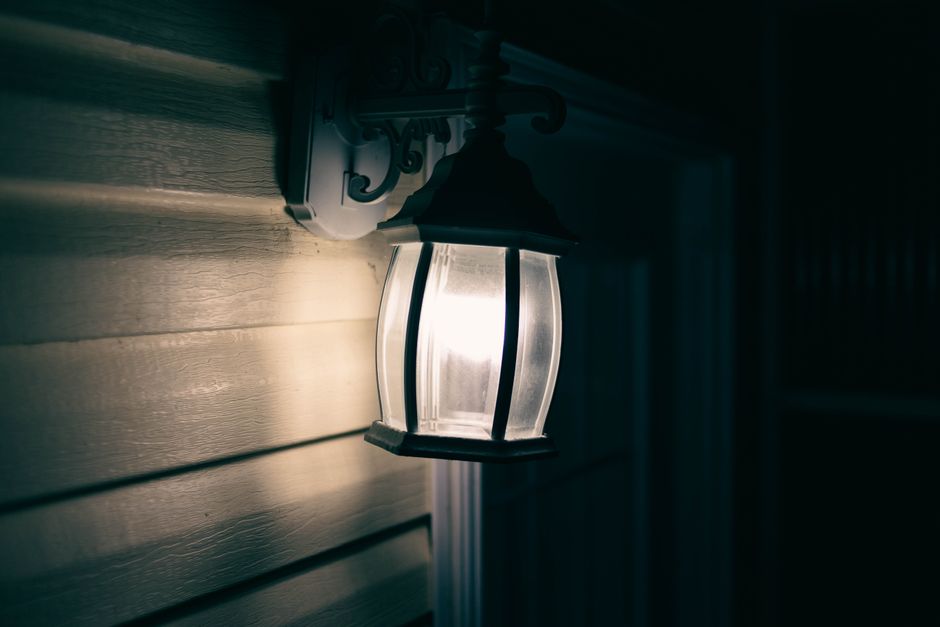
Evening: It is recommended to have outdoor lights turn on as evening approaches, creating a well-lit exterior to deter potential intruders. This can be achieved by setting timers for porch lights, pathway lights, and garage lights to switch on just before dusk. Additionally, having indoor lights on timers to mimic occupancy can further enhance the security of your home.
Night: During the night, it is crucial to maintain adequate lighting both inside and outside the house. Interior lights on timers can create the illusion of someone being home, while outdoor lights, such as motion-activated floodlights or pathway lights, can help illuminate any suspicious activity around the property. Strategically timed light schedules can significantly improve the security of your home during the night.
Energy-Saving Tips for Scheduled Lighting
LED Bulbs: Opt for energy-efficient LED bulbs for your scheduled lighting setup. LED bulbs consume less energy compared to traditional incandescent bulbs and have a longer lifespan, making them a cost-effective and environmentally friendly choice. Additionally, LED bulbs emit bright light, ensuring your home remains well-lit for security purposes.
Smart Lighting Systems: Consider investing in smart lighting systems that allow you to control your home’s lighting remotely. These systems enable you to adjust schedules, dim lights, and even monitor energy usage from your smartphone. By utilizing smart technology, you can optimize your light schedule for security while minimizing energy consumption.
Recommended Light Schedule Timings
Creating a well-thought-out light schedule for your home security involves determining the best timings for turning on and off lights to mimic human presence. Recommended timings vary based on factors like the layout of your home, your daily routine, and the level of security needed. Typically, it’s advisable to have lights turning on in the evening before it gets completely dark, and then to have different lights turning off at staggered times throughout the night to give the impression that someone is moving around the house.
Energy-Saving Tips for Scheduled Lighting
While setting up a light schedule for home security is crucial, it’s also important to consider energy efficiency. Opt for energy-saving LED bulbs that consume less power and last longer than traditional incandescent bulbs. Additionally, use smart lighting systems that allow you to control your lights remotely through apps or timers. Dimming lights or using motion sensors can also help reduce energy consumption while maintaining security. By combining effective security practices with energy-saving strategies, you can enhance both the safety and sustainability of your home.
Additional Home Security Measures
Enhancing your home security goes beyond just having a light schedule. Consider installing a security system with cameras and motion sensors to monitor your property. These systems can alert you in real-time of any suspicious activity and provide valuable evidence in case of a break-in. Make sure to place security signs and stickers around your property to deter potential intruders.
Regularly trim bushes and trees around your home to eliminate potential hiding spots for burglars. Keep your doors and windows secure with high-quality locks and consider reinforcing them with additional security devices like door jammers or window bars. Lastly, join or form a neighborhood watch group to collaborate with your neighbors in keeping your community safe.
Additional Home Security Measures
Enhancing your home security extends beyond just having a well-thought-out light schedule. Consider installing a security camera system to monitor your property round the clock. Modern wireless cameras with motion detection capabilities can alert you instantly of any suspicious activity. Place visible signs or stickers indicating the presence of a security system to deter potential intruders.
Regularly inspect and maintain your doors and windows to ensure they are secure. Consider upgrading to smart locks that offer keyless entry and allow you to remotely control access to your home. Investing in a reliable alarm system can provide an added layer of protection and peace of mind. Remember to inform trusted neighbors or family members of your light schedule and travel plans for additional security.