

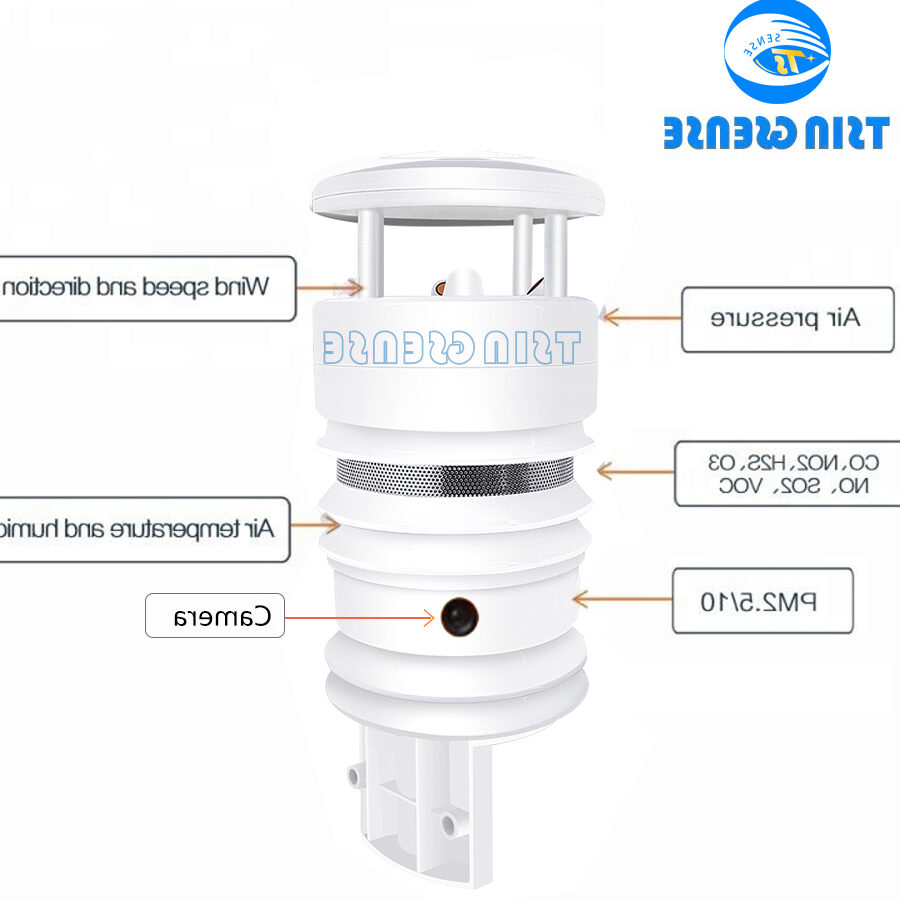
Discover how the latest advancements in air quality sensors are revolutionizing the way we manage indoor air quality. Learn how these sensors can automatically control air purifiers and vents to create a healthier and more comfortable environment for you and your loved ones.
Importance of Air Quality
Air quality plays a crucial role in our health and well-being, as we breathe in air constantly throughout the day. Poor air quality can lead to a variety of health issues, including respiratory problems, allergies, and even more serious conditions like heart disease and lung cancer. It is especially important to monitor air quality in indoor environments, where we spend a significant amount of our time.
Additionally, air quality can impact our productivity and cognitive function. Studies have shown that poor air quality can lead to decreased focus, irritability, and fatigue. Therefore, maintaining good air quality is essential for creating a healthy and comfortable living or working environment.
Types of Air Quality Sensors
Air quality sensors come in various types, each designed to monitor different pollutants and environmental conditions. One common type is the particulate matter sensor, which measures the concentration of particles in the air, providing data on dust, smoke, and other small particles that can affect air quality. Another type is the gas sensor, which detects specific gases such as carbon monoxide, nitrogen dioxide, and volatile organic compounds. These sensors are crucial for monitoring indoor air quality and alerting users to potential health hazards.
Additionally, there are sensors that measure environmental factors like temperature, humidity, and air pressure, which can impact overall air quality. These multi-sensor devices provide a comprehensive view of the indoor environment, allowing users to make informed decisions to improve air quality. Understanding the different types of air quality sensors and their capabilities is essential for selecting the right sensor for specific monitoring needs and ensuring a healthy indoor environment.
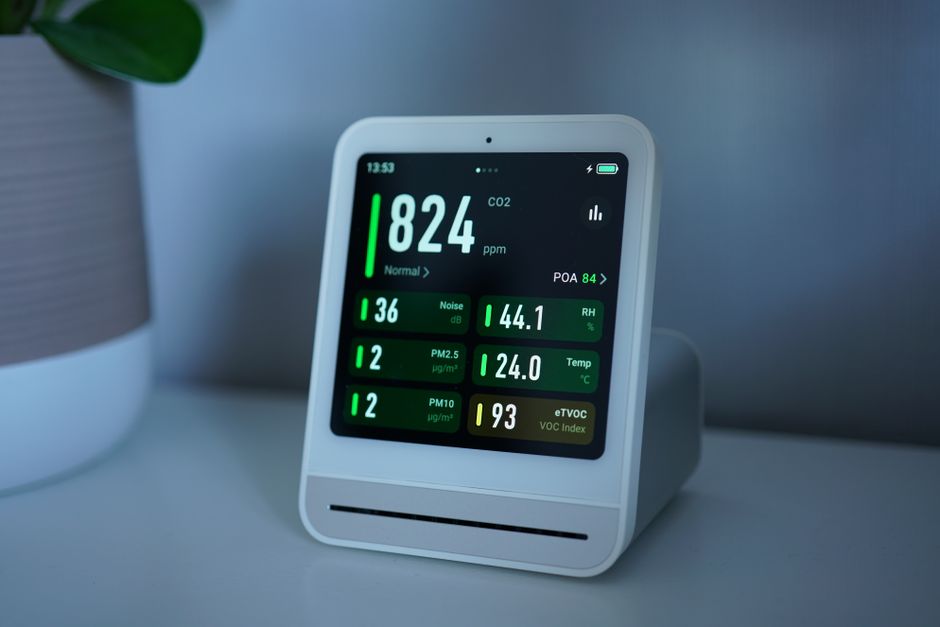
How Air Quality Sensors Work
Air quality sensors work by detecting and measuring various pollutants and particulate matter present in the air. These sensors typically use a combination of technologies such as optical sensing, electrochemical sensing, and metal oxide sensors to analyze the air composition. Optical sensing involves using light to detect particles in the air, while electrochemical sensors measure gases like carbon monoxide and nitrogen dioxide. Metal oxide sensors are used to detect volatile organic compounds.
Once the sensors collect data, they send this information to a microprocessor for analysis and interpretation. The microprocessor then processes the data and determines the air quality level based on predefined thresholds. Users can access this information through a connected app or display panel, allowing them to monitor and take necessary actions to improve indoor air quality. Some sensors also have the capability to trigger alerts or activate purification systems automatically when pollutant levels exceed safe limits.
Benefits of Automating Purifiers and Vents
Improved Air Quality: Automating purifiers and vents helps maintain consistent and optimal air quality levels in indoor spaces. By automating these systems, you can ensure that pollutants, allergens, and other harmful particles are efficiently filtered out, creating a healthier environment for occupants.
Energy Efficiency: Automation allows purifiers and vents to operate only when needed, reducing energy consumption and costs. Smart sensors can detect changes in air quality and adjust settings accordingly, preventing unnecessary operation and optimizing energy efficiency. This not only benefits the environment by reducing energy waste but also helps save on utility bills.
Choosing the Right Air Quality Sensor
When selecting an air quality sensor for your home or office, it is essential to consider several factors to ensure you choose the right one for your needs. The first consideration is the type of pollutants you want to monitor. Some sensors specialize in detecting specific pollutants such as particulate matter, volatile organic compounds, or carbon dioxide. Understanding the pollutants present in your environment will help you select a sensor that can provide accurate and relevant data.
Another crucial factor to consider is the sensor’s accuracy and reliability. Look for sensors that have been tested and verified for accuracy by reputable organizations or agencies. Additionally, consider the sensor’s maintenance requirements and lifespan. Some sensors may require frequent calibration or replacement, which can add to the overall cost of ownership. Finally, think about the connectivity and data reporting capabilities of the sensor. Choose a sensor that can easily integrate with your existing smart home system or software for seamless data collection and analysis.
Summary: In conclusion, the importance of monitoring air quality cannot be overstated. With the rise in air pollution levels globally, having accurate and reliable air quality sensors is crucial for ensuring the health and well-being of individuals. These sensors provide real-time data that can help individuals and organizations make informed decisions to improve air quality.
Recommendations: Moving forward, it is recommended to invest in high-quality air quality sensors that meet specific needs and requirements. Regular maintenance and calibration of these sensors are essential to ensure accurate readings. Additionally, integrating automation technologies for purifiers and vents can further enhance indoor air quality and contribute to a healthier living environment.