
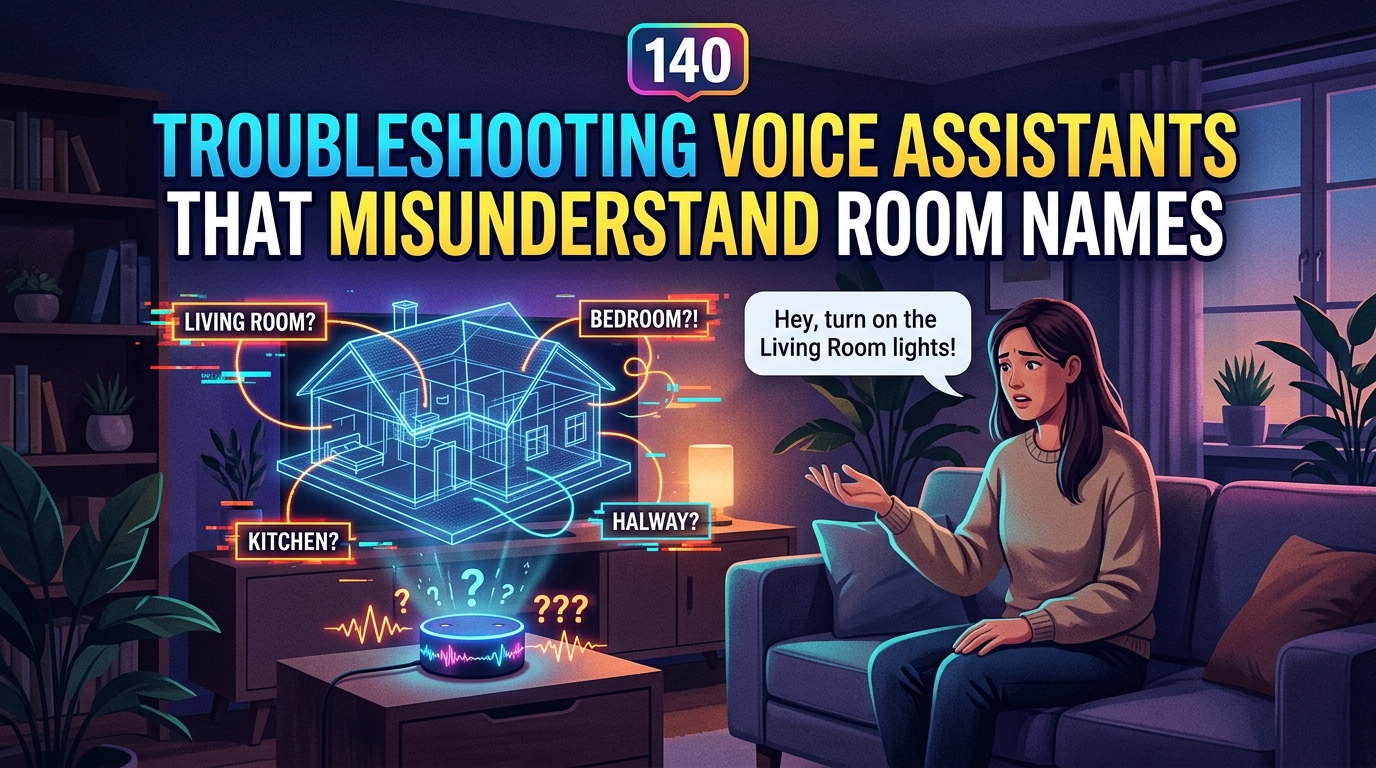
In the fast-paced world of technology, voice assistants have become an indispensable part of our daily lives. From setting reminders to playing our favorite tunes, these intelligent devices have revolutionized the way we interact with our surroundings. However, what happens when your trusty voice assistant starts misunderstanding room names, causing frustration and confusion? Let’s delve into the world of troubleshooting voice assistants to uncover the reasons behind this issue and learn how to resolve it effectively.
Common Issues with Voice Assistants
Connectivity Problems: One common issue users face with voice assistants is connectivity problems. This can occur due to issues with the Wi-Fi network, poor internet connection, or incompatible devices. When a voice assistant cannot connect to the internet, it may not be able to provide accurate information or perform tasks effectively.
Misunderstanding Commands: Voice assistants may struggle to understand commands accurately, especially in noisy environments or when users have accents. Misinterpretation of commands can lead to incorrect responses or actions, causing frustration for users. Additionally, mispronunciations or unclear phrasing can further complicate communication with voice assistants, resulting in repeated attempts to convey the desired command.
Importance of Room Names for Voice Assistants
Room names play a crucial role in optimizing the functionality of voice assistants within a smart home environment. By assigning unique names to different rooms, users can easily specify where they want certain tasks to be performed. For example, saying “Turn off the lights in the living room” is much more efficient than a generic command that may affect all lights in the house.
Furthermore, room names help voice assistants provide more personalized responses and recommendations based on the specific context of each room. For instance, asking for the weather forecast in the kitchen may prompt the assistant to suggest recipes based on the weather conditions. This level of customization enhances the overall user experience and makes interactions with voice assistants more intuitive and seamless.

Troubleshooting Tips for Voice Assistant Misunderstandings
Check for Background Noise: One common reason for voice assistant misunderstandings is background noise. Ensure that the environment is quiet when giving commands to the voice assistant. Background noise can interfere with the recognition of your voice commands, leading to misinterpretations.
Speak Clearly and Slowly: Another important troubleshooting tip is to speak clearly and slowly when interacting with your voice assistant. Pronounce words distinctly and avoid mumbling to increase the accuracy of the voice recognition software. Clear and precise communication can help minimize misunderstandings.
Case Studies: Real-Life Examples
Case studies provide real-life examples of how voice assistants are being used in various scenarios. These examples offer insights into the practical applications of voice assistant technology and highlight their benefits and challenges in different contexts. By examining specific cases, users can better understand the capabilities of voice assistants and how they can enhance productivity, convenience, and accessibility in everyday life.
Furthermore, case studies can showcase the potential impact of voice assistants in different industries and settings. From healthcare to education, from retail to hospitality, these real-life examples can demonstrate the versatility and adaptability of voice assistant technology. By analyzing successful implementations and learning from failures, organizations and individuals can make informed decisions about integrating voice assistants into their workflows and daily routines.
Future Trends in Voice Assistant Technology
Advancements in Artificial Intelligence: One of the key future trends in voice assistant technology is the continuous advancement of artificial intelligence (AI). As AI technology improves, voice assistants will become more intelligent, intuitive, and capable of understanding natural language processing. This will lead to more personalized and efficient interactions with users, as voice assistants will be able to anticipate needs and provide relevant information proactively.
Integration with IoT Devices: Another upcoming trend is the deeper integration of voice assistants with Internet of Things (IoT) devices. As IoT devices become more prevalent in homes and workplaces, voice assistants will play a crucial role in controlling and managing these devices through voice commands. This integration will result in a more seamless and interconnected smart environment, where users can control various devices and systems with voice commands, enhancing convenience and efficiency in daily tasks.
Summary: In conclusion, voice assistants have revolutionized the way we interact with technology and our surroundings. They offer convenience, efficiency, and accessibility in various aspects of our daily lives, from setting reminders to controlling smart home devices. Despite the common issues and misunderstandings that may arise, the importance of properly naming rooms for voice assistants cannot be overstated. It significantly enhances the user experience and ensures seamless communication between users and their devices.
Looking ahead: As technology continues to advance, we can expect voice assistants to become even more integrated into our lives. Future trends suggest improved natural language processing, expanded capabilities for personalized interactions, and enhanced compatibility with a wide range of devices. It is clear that voice assistant technology will play an increasingly significant role in shaping the way we interact with technology and the world around us, offering endless possibilities for innovation and convenience.