
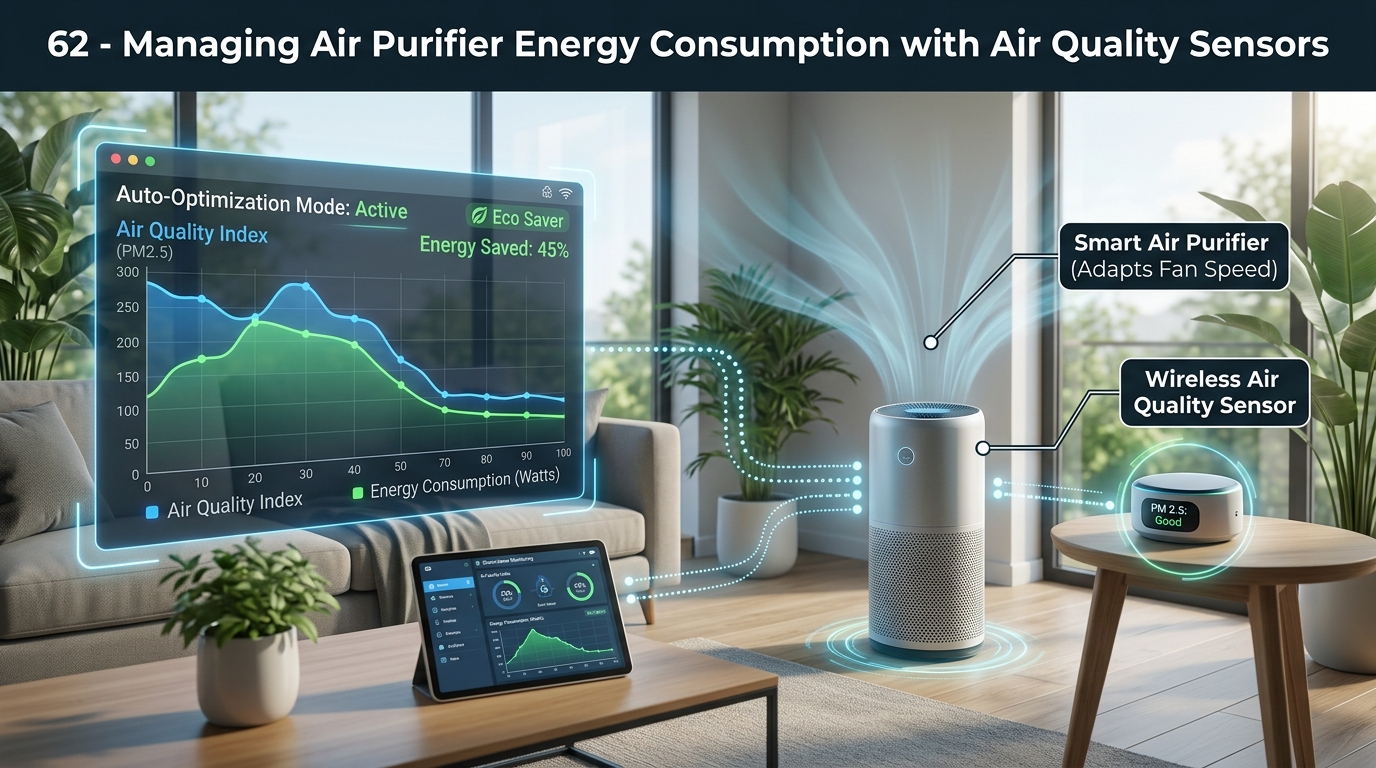
Discover how cutting-edge technology is revolutionizing the way we manage air purifier energy consumption. By utilizing air quality sensors, we are able to optimize efficiency and effectiveness like never before. Stay tuned to learn more about how these sensors are transforming the air purifier industry.
Importance of Air Quality in Indoor Spaces
Air quality in indoor spaces is crucial for the health and well-being of occupants. Poor indoor air quality can lead to a variety of health issues such as respiratory problems, allergies, headaches, and fatigue. It can also exacerbate conditions like asthma and increase the risk of developing more serious illnesses over time.
Proper ventilation and air purification are essential to maintain good indoor air quality. By removing pollutants, such as dust, pollen, mold spores, and volatile organic compounds, air purifiers can significantly improve the overall quality of the air we breathe indoors. Monitoring and controlling air quality in indoor spaces is essential for creating a healthy and comfortable environment for occupants.
Energy Consumption of Air Purifiers
Air purifiers are essential devices that help improve indoor air quality by removing pollutants and allergens from the air. However, it is important to consider their energy consumption, as they can contribute to household electricity usage.
Energy consumption of air purifiers varies depending on factors such as the size of the device, the filtration technology used, and the fan speed settings. High-efficiency particulate air (HEPA) filters, for example, consume more energy than standard filters due to their dense construction. Additionally, air purifiers with multiple fan speeds or additional features like ionizers may consume more energy.
Benefits of Using Air Quality Sensors
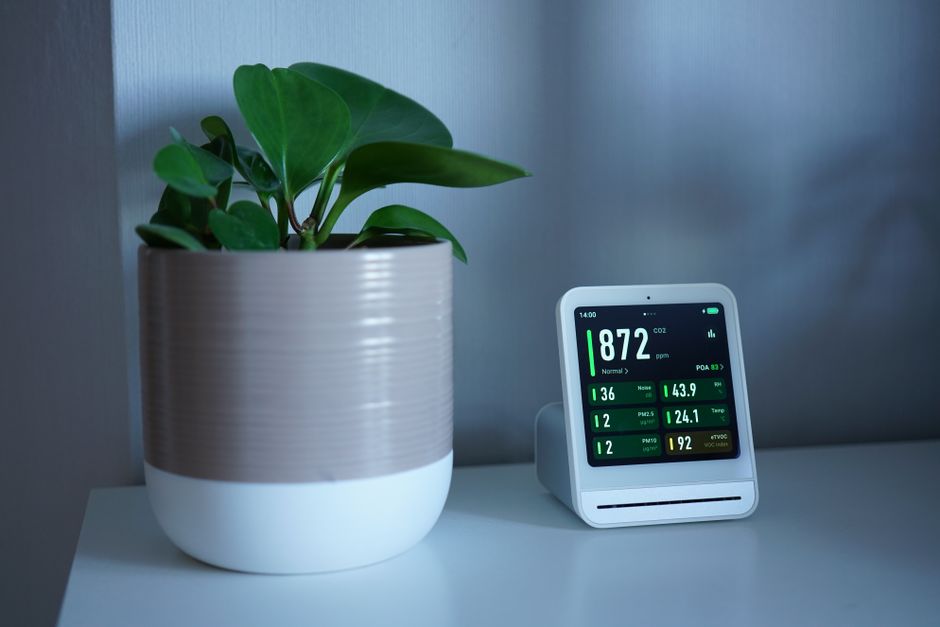
Air quality sensors offer numerous benefits for monitoring and improving indoor air quality. These sensors can detect various pollutants and provide real-time data on air quality levels, allowing users to take immediate action to reduce exposure to harmful substances. By continuously monitoring air quality, users can identify trends, patterns, and potential sources of pollution, leading to targeted interventions to improve indoor air quality.
Furthermore, air quality sensors can help optimize ventilation systems and air purifiers, leading to energy savings and improved overall efficiency. By providing data on air quality parameters such as humidity, temperature, and particulate matter levels, these sensors enable automated control of HVAC systems, ensuring optimal conditions while minimizing energy consumption. Overall, the use of air quality sensors not only enhances indoor air quality but also contributes to energy efficiency and cost savings in indoor environments.
Managing Energy Consumption with Air Quality Sensors
Air quality sensors play a crucial role in managing energy consumption effectively in indoor spaces. By continuously monitoring the air quality levels, these sensors can provide real-time data that allows for the optimization of energy usage. For instance, if the sensors detect high levels of pollutants, the ventilation system can be adjusted to only operate when necessary, reducing energy waste.
Furthermore, air quality sensors can help identify areas with poor ventilation or high pollutant concentrations, enabling targeted interventions to improve overall indoor air quality. By integrating air quality sensors with building automation systems, energy consumption can be dynamically controlled based on the specific needs of the space, leading to significant energy savings in the long run.
Case Studies
Case Study 1: Office Building Transformation
In this case study, an office building implemented air quality sensors to monitor CO2 levels and adjust ventilation systems accordingly. By optimizing air ventilation based on real-time data, the building achieved a significant improvement in indoor air quality, leading to increased productivity and employee satisfaction. Additionally, the energy consumption of the HVAC system was reduced as it operated more efficiently, resulting in cost savings for the building owners.
Case Study 2: Smart Home Integration
This case study focuses on a smart home that integrated air quality sensors with the heating and cooling systems. The sensors detected pollutants and allergens in the air, triggering the HVAC system to adjust airflow and filtration levels. As a result, the occupants experienced a healthier indoor environment with reduced exposure to harmful particles. The energy consumption of the HVAC system was optimized, leading to lower utility bills for the homeowners while maintaining a comfortable living space.
The importance of maintaining good air quality in indoor spaces cannot be overstated. Poor air quality can lead to various health issues and decrease overall comfort and productivity. By using air purifiers and air quality sensors, individuals and organizations can effectively monitor and improve the air they breathe, creating a healthier environment for everyone. Additionally, the energy consumption of these devices is a crucial factor to consider, as it impacts both cost and environmental sustainability.
In conclusion, the integration of air quality sensors with air purifiers presents a promising solution for managing indoor air quality effectively while minimizing energy consumption. As seen in the case studies, this approach can lead to significant improvements in air quality, energy efficiency, and overall well-being. Moving forward, it is essential for individuals and businesses to prioritize air quality management to create safer and more sustainable indoor environments for all.