
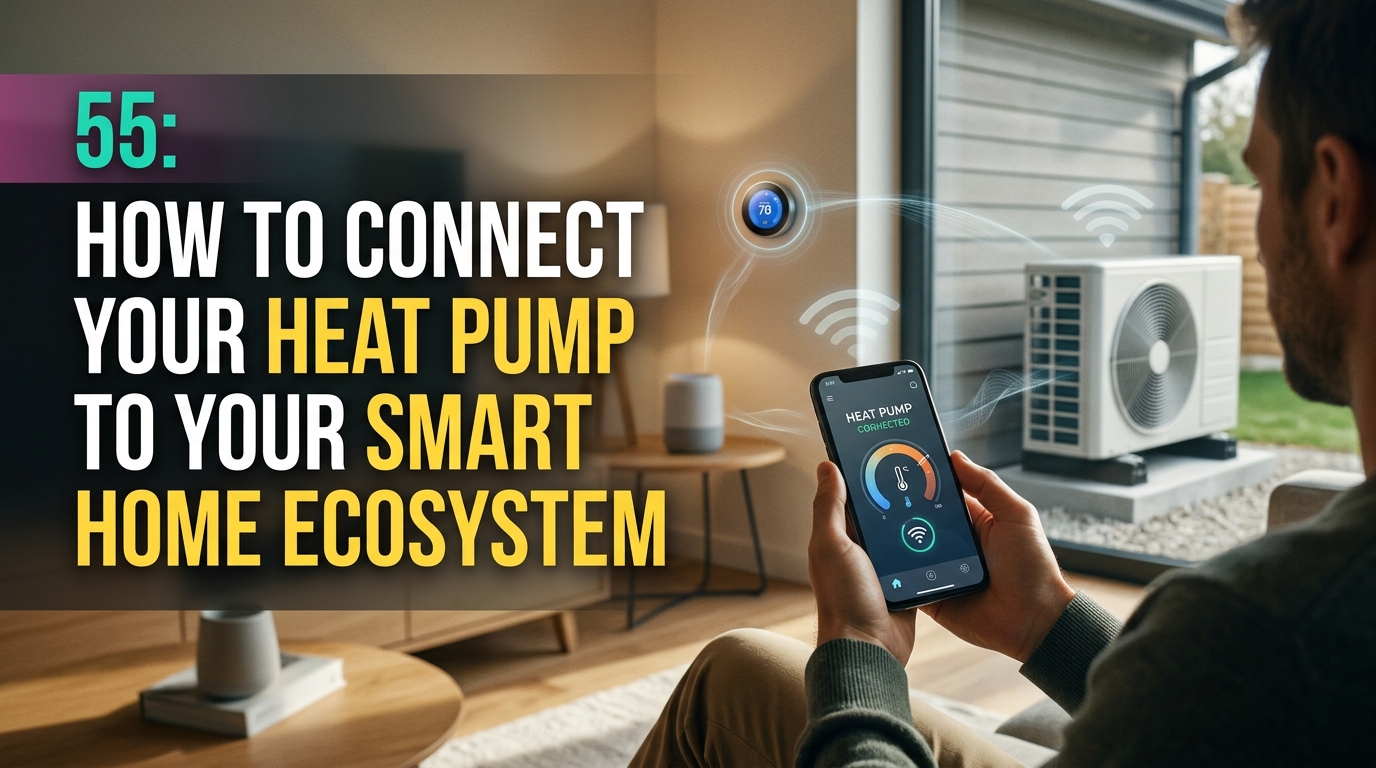
Connecting your heat pump to your smart home ecosystem can revolutionize the way you control your home’s temperature and energy usage. Imagine being able to adjust the climate of your living space with just a few taps on your smartphone, regardless of where you are. In this post, we will walk you through the steps to seamlessly integrate your heat pump into your smart home setup, making your life more comfortable and efficient.
Benefits of Connecting Your Heat Pump to Your Smart Home
Increased Energy Efficiency: By connecting your heat pump to your smart home system, you can optimize its performance based on real-time data. Smart thermostats can adjust temperature settings automatically, ensuring efficient heating and cooling.
Remote Access and Control: Connecting your heat pump to your smart home allows you to control it from anywhere using your smartphone or voice commands. This feature provides convenience and flexibility in managing your home’s heating and cooling needs.
Cost Savings: Smart home integration can help you save on energy bills by ensuring that your heat pump operates at its most efficient levels. By monitoring usage patterns and adjusting settings accordingly, you can reduce unnecessary energy consumption.
Enhanced Comfort: With smart technology, you can create custom heating and cooling schedules that align with your daily routine. This personalization ensures that your home is always at the desired temperature, providing a comfortable living environment.
Steps to Connect Your Heat Pump to Your Smart Home
Step 1: Assess Compatibility
Before connecting your heat pump to your smart home, ensure that your heat pump model is compatible with the smart home system you are using. Check the manufacturer’s instructions or website for information on compatibility with smart home platforms such as Google Home, Amazon Alexa, or Apple HomeKit.
Step 2: Install Smart Thermostat
One of the key steps in connecting your heat pump to your smart home is installing a smart thermostat. This device will act as the bridge between your heat pump and the smart home system, allowing you to control and monitor your heating and cooling remotely. Follow the manufacturer’s instructions carefully for proper installation.
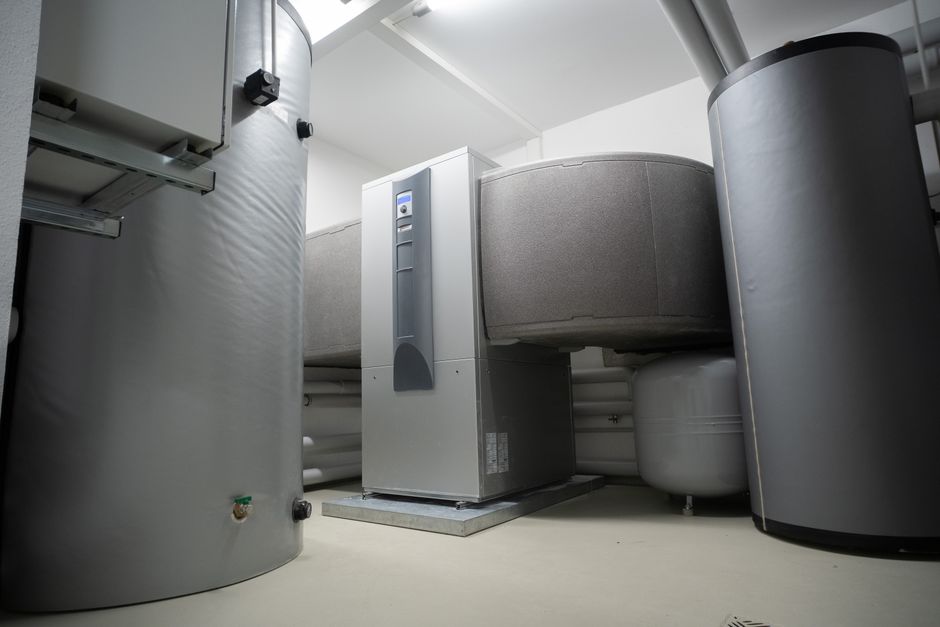
Compatibility of Heat Pumps with Smart Home Systems
Understanding the compatibility of heat pumps with smart home systems is crucial for seamless integration and optimal performance. Most modern heat pumps are designed to work with smart home technologies, allowing users to control and monitor their heating and cooling systems remotely. However, compatibility can vary depending on the brand and model of both the heat pump and the smart home system.
Before attempting to connect your heat pump to a smart home system, it is essential to check for compatibility requirements. Some heat pumps may require additional hardware or adapters to work with certain smart home platforms. It is advisable to consult the manufacturer’s guidelines or contact customer support to ensure a smooth setup process. Additionally, firmware updates may be necessary to enable full functionality and integration with your smart home ecosystem.
Troubleshooting Common Issues
Power Connection Problems: One common issue when connecting a heat pump to a smart home system is power connection problems. Ensure that the power source is stable and the connections are secure. Check the power cables and adapters for any damage or loose connections. If the heat pump is not receiving power, it will not function properly within the smart home ecosystem.
Wi-Fi Connectivity: Another frequent issue is related to Wi-Fi connectivity. Make sure that the heat pump is within range of the Wi-Fi network and that the network signal is strong. Verify that the Wi-Fi credentials entered are correct and that there are no network issues. If the heat pump is still not connecting, consider resetting the Wi-Fi settings on the device and reconfiguring the connection.
Security and Privacy Considerations
Security: When integrating your heat pump into your smart home system, ensuring the security of your data and devices is paramount. Employing robust encryption protocols and regularly updating firmware are essential practices to safeguard against potential cyber threats. Additionally, setting up strong, unique passwords for all connected devices and networks can help prevent unauthorized access.
Privacy: Connecting your heat pump to your smart home may involve sharing personal data and usage patterns with third-party applications or service providers. It is crucial to review and understand the privacy policies of these entities to ensure your information is handled ethically and securely. Consider granting access only to necessary data and regularly reviewing permissions to maintain control over your privacy.
In conclusion, connecting your heat pump to your smart home can greatly enhance your comfort, convenience, and energy efficiency. By integrating your heat pump with smart home systems, you can remotely control and monitor your heating and cooling settings, leading to potential cost savings and improved comfort levels. Additionally, smart home technology allows for automation and optimization of your heat pump operation, ensuring that your home remains comfortable while minimizing energy wastage.
Overall, the benefits of connecting your heat pump to your smart home are numerous and can positively impact your daily life. It is important to carefully consider compatibility issues, security concerns, and troubleshooting strategies when embarking on this integration journey. With proper planning and implementation, you can enjoy a more efficient and comfortable living environment with the seamless integration of your heat pump into your smart home ecosystem.