
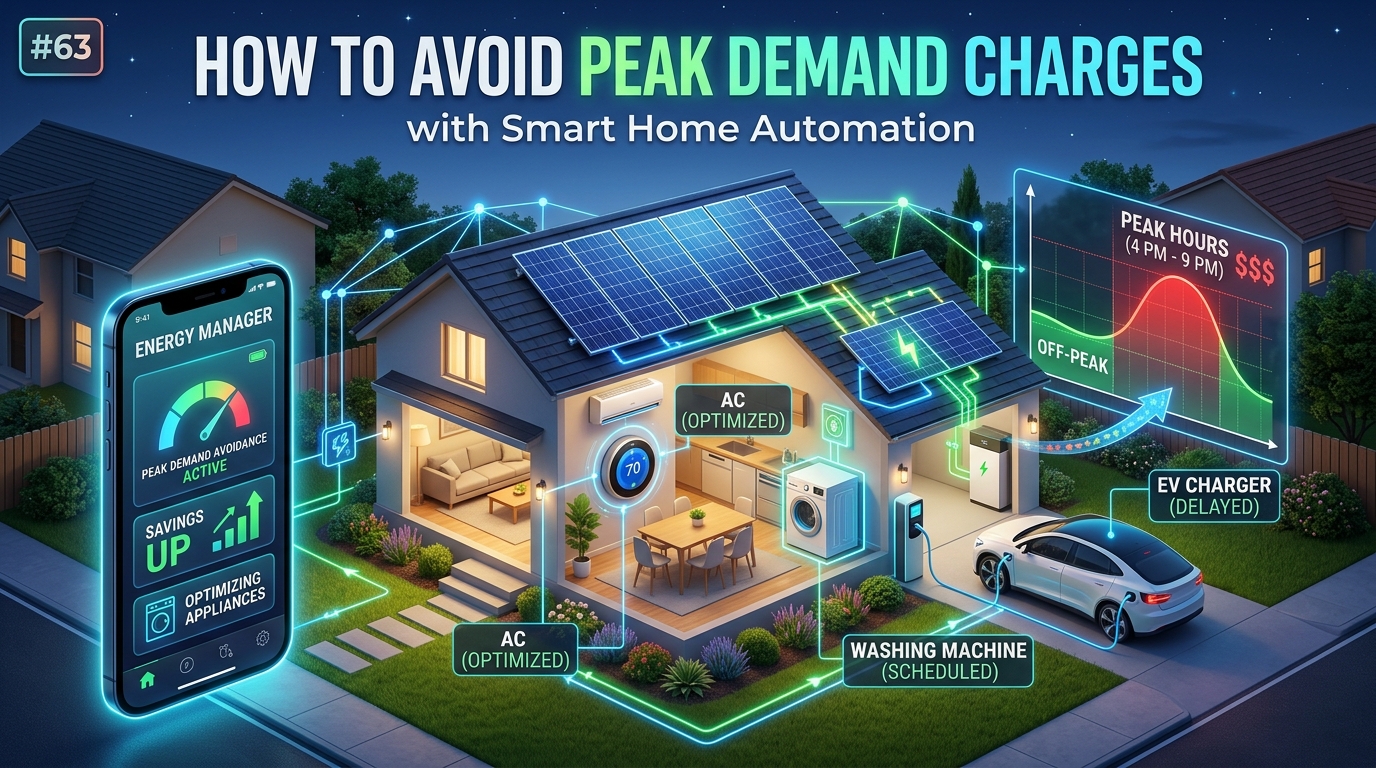
Learn how you can save money on your electricity bill by leveraging the power of smart home automation to avoid peak demand charges. Discover simple yet effective strategies to optimize your energy consumption and reduce costly peak hours usage.
Understanding Peak Demand Charges
Peak demand charges are fees that energy utilities impose on consumers based on their highest level of electricity usage during specific periods. These charges are separate from regular consumption charges and are designed to cover the cost of maintaining the infrastructure needed to meet peak demand levels. Peak demand usually occurs during times of high energy consumption, such as hot summer days when air conditioning usage is at its highest.
Understanding peak demand charges is essential for consumers looking to manage their electricity costs effectively. By monitoring and adjusting their energy usage to avoid exceeding peak demand thresholds, consumers can reduce their overall electricity bills. Smart home automation technologies can play a crucial role in helping consumers track and control their energy usage to minimize peak demand charges.
Benefits of Smart Home Automation
Convenience: One of the primary benefits of smart home automation is the unparalleled convenience it brings to homeowners. With the ability to control various aspects of your home, such as lighting, temperature, security, and entertainment systems, from a single device or remotely via a smartphone app, you can streamline tasks and simplify your daily routine. Imagine being able to adjust your thermostat, turn off lights, and lock doors with just a few taps on your phone, regardless of your location.
Energy Efficiency: Smart home automation can significantly contribute to energy efficiency and cost savings in the long run. By integrating smart thermostats, smart lighting systems, and energy monitoring devices, homeowners can optimize their energy usage based on personal preferences and real-time data. For example, automated scheduling of heating and cooling systems, coupled with sensors that adjust lighting levels based on natural light, can help reduce energy wastage and lower utility bills. Additionally, the ability to remotely monitor and control energy-consuming devices allows for better management of overall energy consumption.
Implementing Smart Home Automation
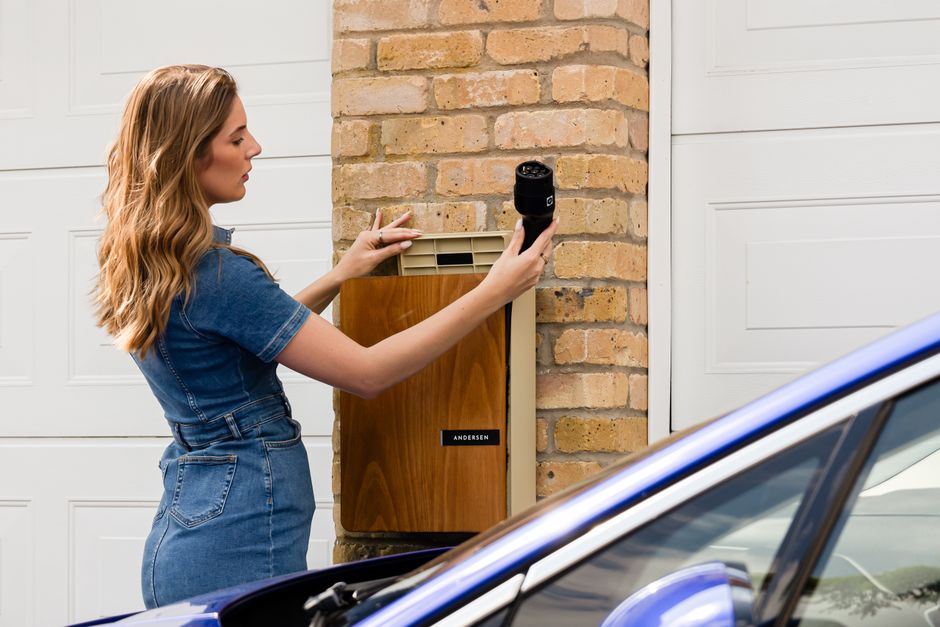
Choosing the Right Devices: Implementing smart home automation starts with selecting the right devices for your home. Consider your specific needs and priorities, whether it’s increasing security, improving energy efficiency, or enhancing convenience. Smart thermostats, smart lighting, smart security cameras, and smart plugs are popular choices that can be easily integrated into your existing home setup.
Setting Up the System: Once you have chosen the devices, the next step is to set up the smart home automation system. This typically involves connecting the devices to a central hub or Wi-Fi network and configuring them through a mobile app or a web interface. Ensure that all devices are properly installed, updated with the latest firmware, and connected to each other to enable seamless communication and automation.
Monitoring and Managing Energy Usage
Energy Usage Monitoring: Monitoring energy usage in a household or building is essential for understanding consumption patterns and identifying areas for improvement. By installing smart energy meters and sensors, real-time data on energy usage can be collected and analyzed. This data can help users track their energy consumption, identify trends, and make informed decisions on how to optimize energy usage.
Energy Usage Management: Managing energy usage involves implementing strategies to reduce energy consumption and costs. With smart home automation systems, users can set schedules for appliances, control lighting and HVAC systems remotely, and receive alerts for unusual energy spikes. By utilizing these features, individuals can actively manage their energy usage, reduce waste, and ultimately lower their electricity bills while contributing to a more sustainable environment.
Case Studies
Case Study 1: Smart Thermostat Implementation
In this case study, a residential household installed a smart thermostat to optimize their heating and cooling system. By utilizing the thermostat’s scheduling and automation features, the homeowners were able to reduce their energy consumption during peak hours. This led to a significant decrease in their overall energy bills while maintaining a comfortable living environment. The smart thermostat also provided insights into their energy usage patterns, allowing them to make informed decisions to further improve efficiency.
Case Study 2: Solar Panel Integration
In another case study, a commercial building integrated solar panels in conjunction with smart energy management systems. By leveraging real-time data analytics and automation, the building was able to maximize the utilization of solar energy during peak hours. This not only reduced their dependency on the grid but also lowered their peak demand charges significantly. The combination of solar panels and smart energy solutions not only proved to be cost-effective but also contributed to the building’s sustainability goals.
Smart home automation is revolutionizing the way we interact with our homes and manage energy consumption. By leveraging technology to automate various tasks and monitor energy usage, homeowners can significantly reduce their energy bills and environmental impact. Additionally, smart home devices offer convenience, comfort, and enhanced security, making them an attractive investment for modern households.
In conclusion, embracing smart home automation is a smart decision for both financial savings and sustainability. As technology continues to advance and become more accessible, the adoption of smart home devices is expected to increase. Homeowners who prioritize energy efficiency, convenience, and cost savings should consider integrating smart home automation solutions into their households to enjoy the numerous benefits they offer.