
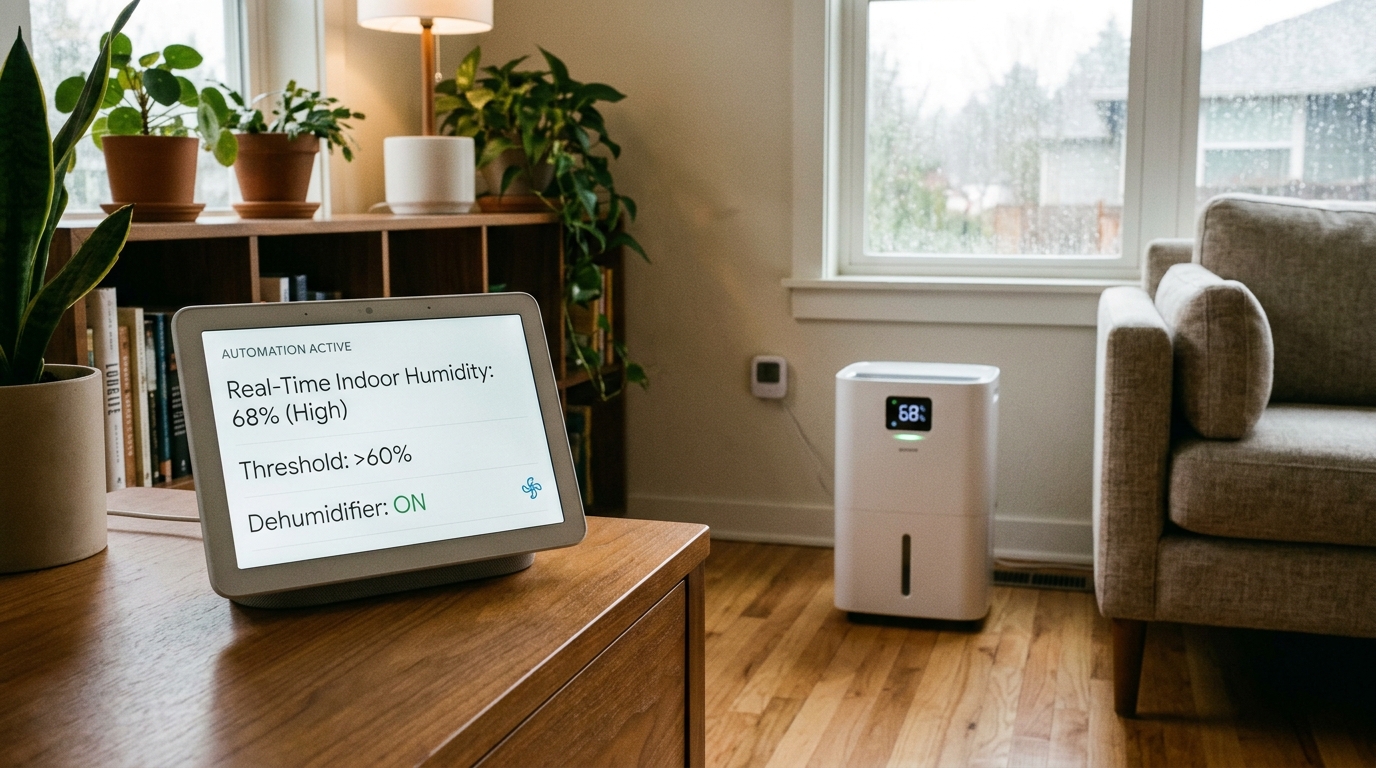
Imagine never having to worry about the humidity levels in your home again. With the advancement of technology, automating dehumidifiers based on real-time indoor humidity is now a reality. By integrating smart sensors and devices, you can ensure that your home always stays at the perfect humidity level without any manual intervention. Say goodbye to dampness, mold, and discomfort, and say hello to a more comfortable and healthier living environment.
Importance of Indoor Humidity Control
Indoor humidity control plays a crucial role in maintaining a comfortable and healthy environment within a building. Excessive humidity levels can lead to various problems such as mold growth, musty odors, and damage to furniture and electronics. On the other hand, low humidity levels can cause discomfort, dry skin, and respiratory issues.
Controlling indoor humidity is especially important for individuals with respiratory conditions like asthma or allergies. By keeping humidity levels within the recommended range of 30-50%, it helps to prevent the proliferation of dust mites, mold, and other allergens that thrive in high humidity environments. Additionally, maintaining proper humidity levels can also improve energy efficiency and prolong the lifespan of building materials.
Types of Dehumidifiers
Desiccant Dehumidifiers: Desiccant dehumidifiers use a desiccant material, such as silica gel, to absorb moisture from the air. These dehumidifiers are effective in low-temperature environments and are often used in colder climates. They are energy-efficient but may not be as suitable for high humidity levels.
Refrigerant Dehumidifiers: Refrigerant dehumidifiers work by cooling the air to condense moisture, which is then collected and drained. These dehumidifiers are effective in warmer climates and high humidity levels. They are popular for residential use due to their ability to remove large amounts of moisture from the air.
Whole-House Dehumidifiers: Whole-house dehumidifiers are installed as part of the HVAC system and can dehumidify the entire home. These dehumidifiers are convenient for maintaining consistent indoor humidity levels throughout the house and are suitable for larger spaces. They can be more costly upfront but offer long-term benefits for overall indoor air quality.
Real-Time Indoor Humidity Monitoring
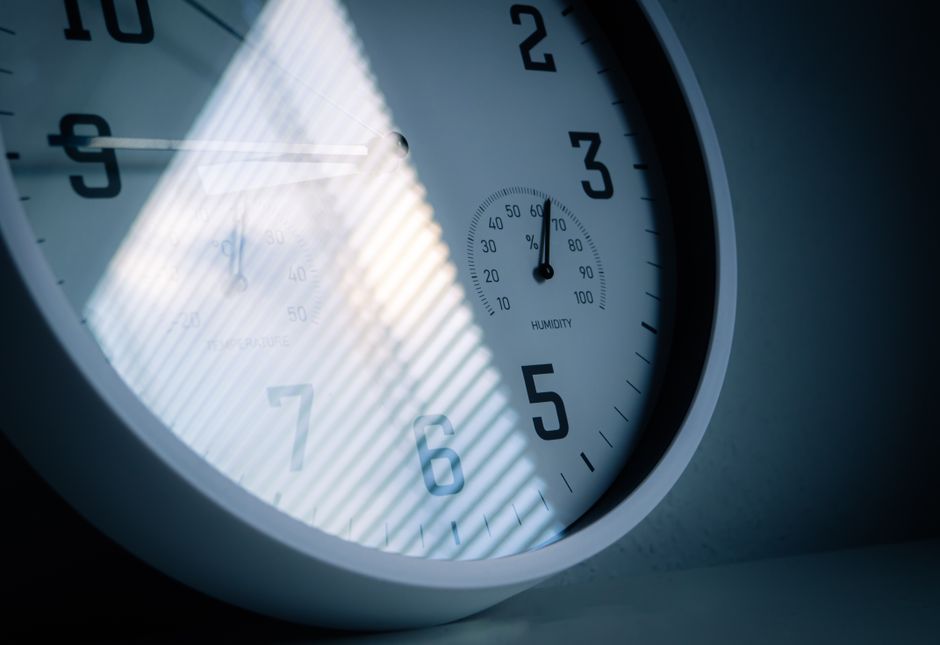
Real-time indoor humidity monitoring involves using sensors to continuously measure and track the level of humidity in a specific area. These sensors provide instant feedback on the humidity levels, allowing users to take timely actions to maintain an optimal indoor environment. By monitoring humidity in real-time, individuals can prevent issues such as mold growth, musty odors, and damage to furniture and electronics caused by excessive moisture.
Benefits of Real-Time Monitoring
One key benefit of real-time indoor humidity monitoring is the ability to detect changes in humidity levels quickly and accurately. This proactive approach helps prevent potential health risks associated with high humidity, such as respiratory problems and allergies. Additionally, real-time monitoring can assist in identifying patterns and trends in humidity levels over time, enabling users to make informed decisions about adjusting ventilation, using dehumidifiers, or implementing other humidity control measures.
Automation Technology for Dehumidifiers
Smart home automation systems have revolutionized the way we control various household appliances, including dehumidifiers. These systems allow users to remotely monitor and adjust humidity levels in their homes through mobile apps or voice commands. By integrating dehumidifiers into these automation systems, users can set customized schedules, receive alerts for abnormal humidity levels, and even create automation routines that optimize energy efficiency.
One key advantage of automation technology for dehumidifiers is the ability to maintain ideal humidity levels automatically. With sensors detecting changes in humidity levels, the dehumidifier can turn on or off as needed, ensuring a comfortable and healthy indoor environment without the need for constant manual adjustments. Additionally, some automation systems can analyze historical humidity data to provide insights into patterns and trends, helping users make informed decisions to improve air quality and prevent issues like mold growth.
Benefits of Automating Dehumidifiers
Improved Efficiency: Automating dehumidifiers can lead to improved efficiency in maintaining optimal indoor humidity levels. By using sensors and smart technology, the dehumidifier can adjust its operation based on real-time data, ensuring that energy is not wasted by running continuously or at unnecessary levels. This can result in cost savings on energy bills and prolong the lifespan of the dehumidifier.
Enhanced Comfort and Health: Automating dehumidifiers can contribute to enhanced comfort and better health outcomes for occupants. By maintaining the recommended indoor humidity levels, automated dehumidifiers help prevent issues such as mold growth, dust mites, and respiratory problems. Consistent humidity control can also improve air quality, reduce odors, and create a more comfortable living or working environment for individuals.
Indoor humidity control is crucial for maintaining a comfortable and healthy living environment. Through the use of dehumidifiers and automation technology, homeowners can effectively manage humidity levels to prevent mold growth, musty odors, and other issues associated with high moisture levels.
By incorporating real-time indoor humidity monitoring systems, individuals can keep track of humidity levels in their homes and make informed decisions on when to activate their dehumidifiers. This proactive approach not only improves indoor air quality but also helps protect furniture, electronics, and other belongings from potential damage caused by excess moisture.