
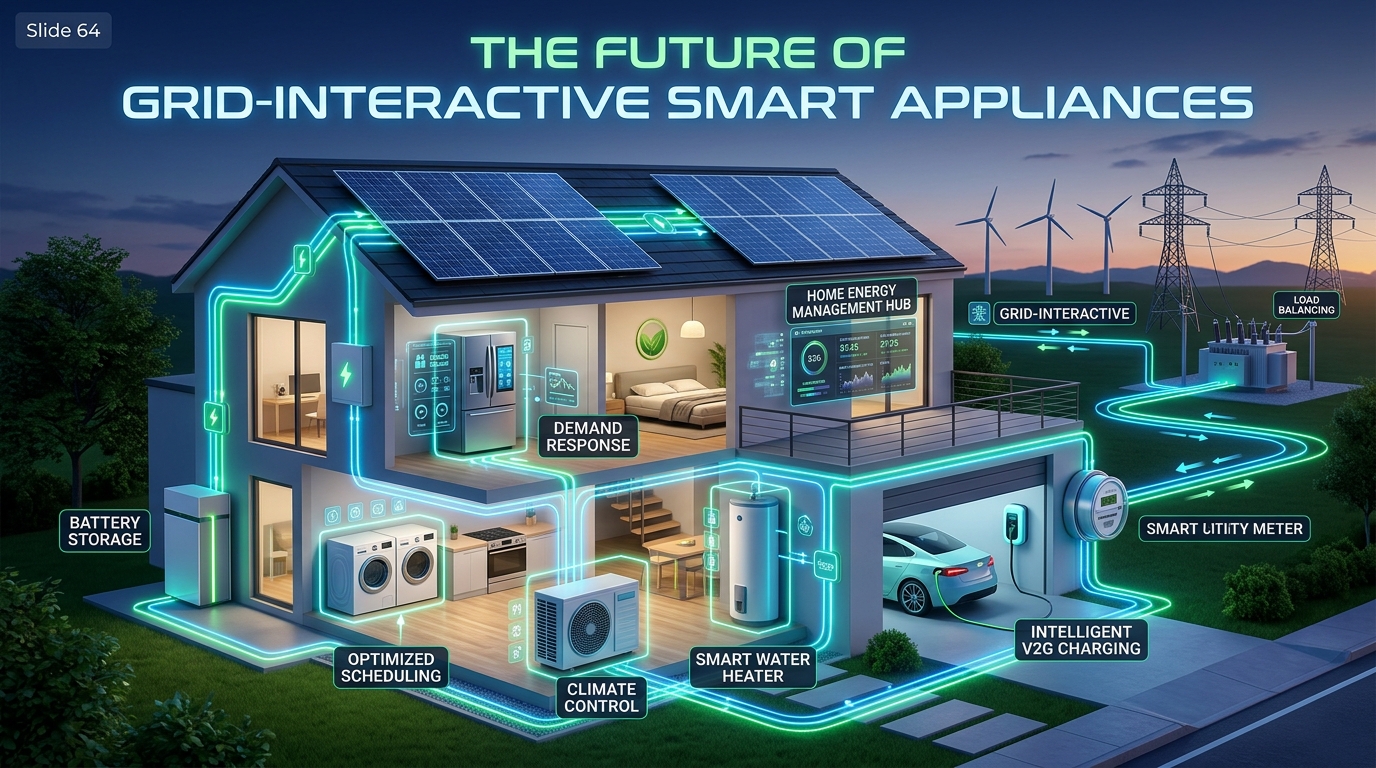
Discover the exciting possibilities that lie ahead with the future of grid-interactive smart appliances. Imagine a world where your appliances seamlessly communicate with the grid, optimizing energy usage, reducing costs, and contributing to a more sustainable future. Dive into this post to learn how these innovative appliances are shaping the way we interact with energy and the environment.
Benefits of Grid-Interactive Smart Appliances
Energy Efficiency: Grid-interactive smart appliances offer significant benefits in terms of energy efficiency. These appliances can communicate with the grid to optimize energy consumption based on real-time electricity prices or demand response signals. By adjusting their operation to off-peak hours or times of low energy demand, these appliances help reduce overall energy consumption and lower utility bills for consumers.
Grid Stability: Another key benefit of grid-interactive smart appliances is their ability to contribute to grid stability. These appliances can respond to signals from the grid operator to temporarily reduce energy consumption during times of peak demand or supply shortages. By participating in demand response programs, these appliances help balance the grid, prevent blackouts, and improve overall reliability of the electricity supply.
Challenges and Considerations
Integration Complexity: One of the main challenges in implementing grid-interactive smart appliances is the complexity of integrating these devices into existing energy systems. Compatibility issues with different communication protocols and standards can arise, requiring careful planning and coordination among various stakeholders.
Data Privacy and Security: Another key consideration is the protection of consumer data and ensuring the security of the communication networks used by grid-interactive smart appliances. Robust cybersecurity measures must be in place to prevent unauthorized access and potential breaches that could compromise user privacy and the stability of the grid.

Technologies Driving Grid-Interactive Smart Appliances
Internet of Things (IoT): Grid-interactive smart appliances leverage IoT technology to connect with the grid and communicate data in real-time. This allows for dynamic adjustment of energy consumption based on grid conditions, optimizing energy usage and reducing peak demand. IoT sensors and connectivity enable appliances to respond to grid signals, such as pricing or demand response events, to achieve energy efficiency.
Artificial Intelligence (AI): AI plays a crucial role in driving grid-interactive smart appliances by enabling advanced analytics and predictive capabilities. Machine learning algorithms can analyze energy usage patterns, weather forecasts, and grid data to optimize appliance operation. AI-driven smart appliances can learn user preferences and adapt their behavior to minimize energy costs while ensuring comfort and convenience.
Case Studies of Successful Implementations
Case Study 1: Smart Thermostat Deployment in Urban Area
In a major city, a utility company implemented a program offering discounted smart thermostats to customers. By using these devices, customers could adjust their home’s temperature remotely, allowing the utility to reduce peak demand during hot summer days. This initiative led to a significant decrease in overall energy consumption and helped prevent grid overloads during peak hours.
Case Study 2: Electric Vehicle Charging Management System
In a suburban community, a pilot project was launched to install grid-interactive electric vehicle charging stations. These stations were equipped with smart technology to communicate with the grid and optimize charging times based on grid load and renewable energy availability. As a result, the project successfully managed the demand for electricity during peak periods and encouraged the use of clean transportation options.
Policy and Regulatory Landscape
Government Regulations: The policy and regulatory landscape for grid-interactive smart appliances is crucial for their widespread adoption and integration into the energy grid. Governments play a significant role in setting standards, incentives, and regulations to promote the use of these appliances. For example, some countries offer rebates or tax incentives for consumers who purchase energy-efficient appliances that can interact with the grid. Additionally, regulations may require utilities to offer programs that incentivize the use of smart appliances to reduce peak demand and overall energy consumption.
Interconnection Standards: Another key aspect of the policy and regulatory landscape is the development of interconnection standards for grid-interactive smart appliances. These standards ensure that appliances can communicate effectively with the grid, enabling demand response and other grid services. Standardization helps manufacturers produce interoperable products and ensures reliability and safety in the operation of these appliances. Regulatory bodies often work with industry stakeholders to establish these standards and ensure compliance across the market.
In conclusion, the adoption of grid-interactive smart appliances represents a significant step towards creating a more efficient and sustainable energy ecosystem. By enabling appliances to communicate with the grid and respond to signals in real-time, these technologies have the potential to reduce energy consumption, lower costs for consumers, and enhance grid stability.
Furthermore, as advancements in technology continue to drive innovation in this space, we can expect to see even greater benefits and opportunities emerge. It is crucial for policymakers, regulators, and industry stakeholders to collaborate closely to create an environment that fosters the widespread adoption of grid-interactive smart appliances, ultimately leading to a more resilient and responsive energy infrastructure.