

Discover the seamless integration of portable power stations into your smart home network, revolutionizing the way you power your devices and appliances. Transform your living space into a hub of energy efficiency and convenience as you explore the endless possibilities of connecting these versatile power sources to your smart devices. Stay tuned to unlock the full potential of this cutting-edge technology and streamline your daily life like never before.
Benefits of Portable Power Stations
Increased Mobility: Portable power stations provide the convenience of having power on-the-go. Whether you are camping, traveling, or in an emergency situation, portable power stations allow you to charge your devices and run small appliances without being tethered to a traditional power source.
Environmentally Friendly: Many portable power stations are designed to be eco-friendly, using renewable energy sources like solar power. By utilizing these stations, you can reduce your carbon footprint and decrease reliance on traditional electricity sources, contributing to a greener planet.
Backup Power Solution: Portable power stations serve as a reliable backup power source during power outages or natural disasters. They can keep essential devices powered, such as phones, lights, and medical equipment, ensuring you stay connected and safe in critical situations.
How to Choose the Right Portable Power Station
Consider Your Power Needs: The first step in choosing the right portable power station is to assess your power requirements. Calculate the total wattage of the devices you plan to connect to the power station. Make sure to account for both continuous and peak power consumption to ensure the power station can handle your needs.
Battery Capacity and Type: Pay attention to the battery capacity and type of the portable power station. Lithium-ion batteries are common for their high energy density and longevity. Consider the capacity in watt-hours (Wh) to determine how long the power station can run your devices. A larger battery capacity is ideal for longer durations of power outage.
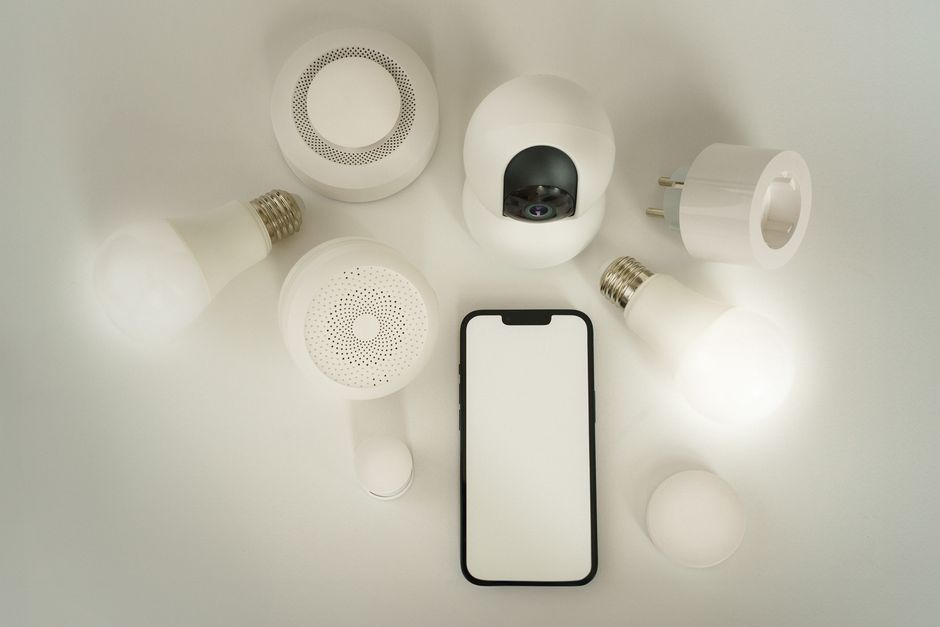
Steps to Connect Portable Power Stations to Your Smart Home Network
Step 1: Check Compatibility
Before connecting your portable power station to your smart home network, ensure that it is compatible with the devices you intend to power or charge. Check the voltage requirements, connector types, and communication protocols to avoid any compatibility issues.
Step 2: Connect to Wi-Fi Network
To integrate your portable power station into your smart home network, connect it to your Wi-Fi network. Most modern power stations come with built-in Wi-Fi capabilities or can connect via a companion app. Follow the manufacturer’s instructions to set up the connection securely.
Step 3: Configure Smart Home Automation
Once your portable power station is connected to your Wi-Fi network, you can configure smart home automation routines to optimize its usage. Use smart home platforms like Alexa, Google Assistant, or Apple HomeKit to create schedules, triggers, or voice commands for controlling the power station remotely.
Troubleshooting Common Issues
Power Station Not Charging Devices: If your portable power station is not charging your devices, first check the power station’s battery level. Ensure it has enough charge to power your devices. Next, inspect the charging cables and ports for any damage or debris that may be obstructing the connection. Try using different cables or ports to rule out any issues with the specific connection.
Overheating: Overheating can be a common issue with portable power stations, especially during extended use or when charging multiple devices simultaneously. To troubleshoot this, make sure the power station is placed in a well-ventilated area to allow for proper heat dissipation. Avoid using the power station on soft surfaces like beds or sofas, as this can block airflow and lead to overheating. If the issue persists, consider reducing the number of devices connected at once or taking breaks between charging sessions to allow the power station to cool down.
Best Practices for Using Portable Power Stations in Your Smart Home
Optimal Placement: When setting up your portable power station in your smart home, it’s crucial to place it in a well-ventilated area to prevent overheating. Avoid placing it near direct sunlight or heat sources to maintain its efficiency and prolong its lifespan.
Regular Maintenance: To ensure your portable power station operates smoothly, make it a habit to check and clean the unit regularly. Remove any dust or debris that may have accumulated on the vents or fan to prevent blockages that can lead to overheating. Additionally, keep the unit’s battery charged and follow the manufacturer’s guidelines for maintenance to maximize its performance.
Summary: In conclusion, portable power stations offer a convenient and reliable source of power for various applications, both indoors and outdoors. These versatile devices provide a backup power solution during emergencies, camping trips, outdoor events, and power outages. With advancements in technology, portable power stations have become more efficient, compact, and affordable, making them a valuable addition to any smart home setup.
Future Trends: As the demand for portable power solutions continues to grow, we can expect to see further innovations in battery technology, increased power capacities, and enhanced connectivity features in portable power stations. Additionally, the integration of renewable energy sources such as solar panels with portable power stations is likely to gain traction, offering users a sustainable and eco-friendly power solution.