
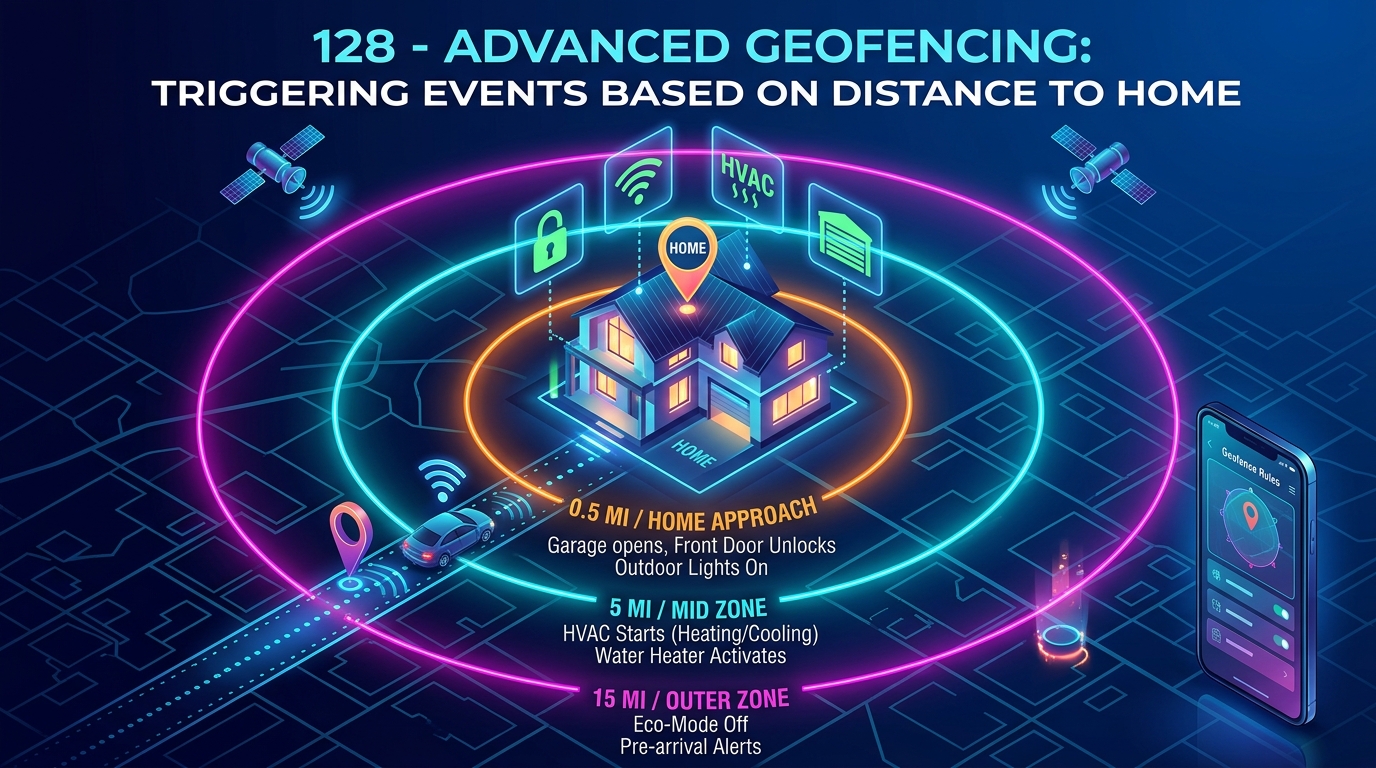
Advanced geofencing technology is revolutionizing the way we interact with our surroundings, offering a personalized and seamless experience like never before. Imagine receiving tailored notifications and triggering events based on your proximity to home, providing a level of convenience and efficiency that was once unimaginable. In this post, we will explore the fascinating world of advanced geofencing and how it can enhance your daily life in ways you never thought possible.
Setting Up Geofencing Parameters
Defining Geofencing Areas: Setting up geofencing parameters involves defining specific geographical areas where the geofencing technology will be applied. This can be done by drawing virtual boundaries on a map using latitude and longitude coordinates or by using a point-and-click interface on a geofencing platform.
Setting Trigger Conditions: Once the geofencing areas are defined, the next step is to establish trigger conditions that will activate certain actions when a mobile device enters or exits the designated area. Trigger conditions can include entering a geofence, exiting a geofence, or staying within a geofence for a specified period of time.
Geofencing Applications in Marketing
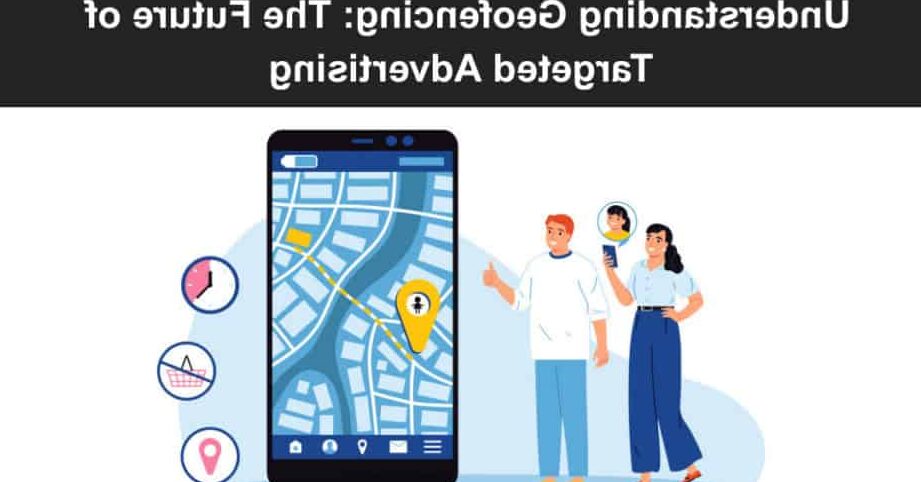
Location-based marketing has been revolutionized by the implementation of geofencing technology. Companies can now target their advertising efforts based on a user’s physical location, allowing for more personalized and relevant marketing messages. By setting up virtual boundaries around specific geographic areas, businesses can send notifications, promotions, and advertisements to individuals when they enter or exit these boundaries.
Geotargeting is a key application of geofencing in marketing, as it enables businesses to deliver content tailored to a user’s location. This can include sending special offers to customers when they are near a physical store, promoting events in a specific area, or providing location-based recommendations. Geofencing also allows for the analysis of customer behavior and preferences based on their movement patterns, helping businesses refine their marketing strategies for better engagement and conversion rates.

Enhancing Location-Based Services with Geofencing
Benefits of Geofencing in Location-Based Services
Geofencing plays a crucial role in enhancing location-based services by providing businesses with a powerful tool to engage with their customers in a more personalized and targeted manner. By setting up virtual perimeters around specific geographical areas, businesses can deliver relevant information, promotions, and notifications to users when they enter or exit these designated zones. This capability allows businesses to tailor their services based on the user’s location, leading to increased customer engagement and satisfaction.
Improving Customer Experience Through Geofencing
Geofencing technology enables businesses to deliver real-time, location-specific content and services to their customers, enhancing their overall experience. For example, retail stores can send personalized offers to shoppers as they enter the store, guiding them to specific products or promotions based on their preferences and past purchase history. This level of personalized interaction can help businesses build stronger relationships with their customers and drive higher levels of customer loyalty and retention.
Geofencing Best Practices
Implement Clear Objectives: Before setting up geofencing parameters, it’s crucial to establish clear objectives for your geofencing campaigns. Define what you aim to achieve, whether it’s increasing foot traffic, improving customer engagement, or driving sales. Having specific goals will guide your geofencing strategy and help measure its success.
Respect User Privacy: When implementing geofencing, it’s essential to respect user privacy and comply with data protection regulations. Be transparent about the data you collect, how it will be used, and provide users with options to opt out if they wish. Building trust with your audience is key to maintaining a positive brand image and fostering long-term relationships.
Case Studies: Geofencing Success Stories
Geofencing success stories showcase real-world examples of how businesses have effectively leveraged geofencing technology to achieve their goals. These case studies provide valuable insights into the diverse applications of geofencing across various industries.
By analyzing geofencing success stories, businesses can learn from others’ experiences and tailor their own geofencing strategies for optimal results. These case studies often highlight the impact of geofencing on customer engagement, sales conversion, brand awareness, and overall business growth.
Future Trends in Geofencing Technology
Enhanced Data Integration: One of the future trends in geofencing technology is the enhanced integration of geofencing data with other sources of data, such as customer relationship management (CRM) systems, Internet of Things (IoT) devices, and social media platforms. This integration will provide businesses with a more comprehensive view of their customers’ behavior and preferences, allowing for more targeted and personalized marketing strategies.
Augmented Reality Geofencing: Another upcoming trend is the integration of geofencing technology with augmented reality (AR) applications. This combination can enhance location-based experiences for users by overlaying digital information on the physical world, creating interactive and immersive experiences. AR geofencing can be used for navigation, gaming, advertising, and enhancing customer engagement in various industries.