
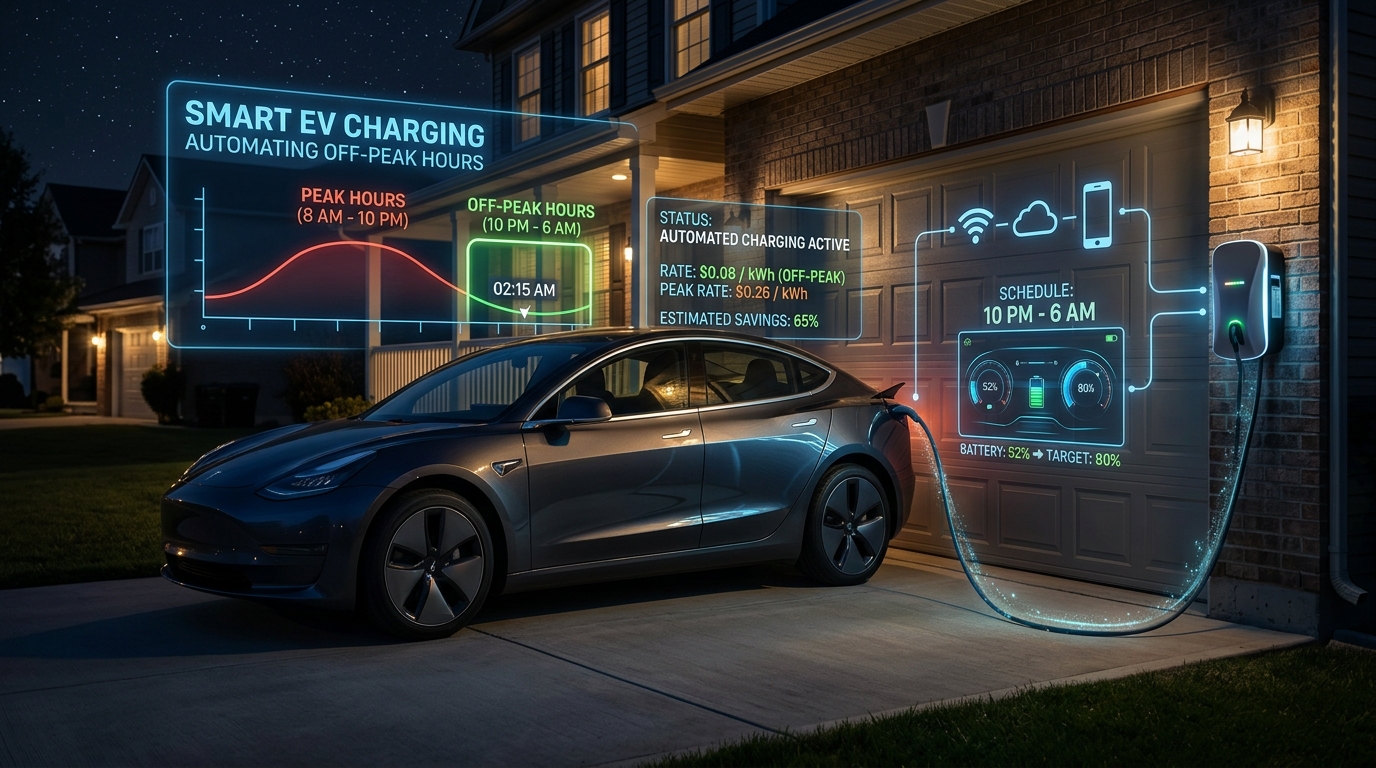
“Discover a smarter way to charge your electric vehicle with automated charging during off-peak hours. Say goodbye to long wait times at charging stations and hello to cost-effective and convenient charging solutions. In this post, we will explore how smart EV charging can revolutionize the way you power up your vehicle, saving you time, money, and hassle.”
Benefits of Smart EV Charging
Cost Savings: Smart EV charging allows users to take advantage of off-peak electricity rates, resulting in lower charging costs compared to traditional charging methods. By scheduling charging during periods of low demand, users can reduce their overall energy expenses.
Optimized Charging: Smart EV charging systems can automatically adjust charging rates based on factors such as grid demand, energy prices, and renewable energy availability. This optimization ensures that vehicles are charged efficiently and cost-effectively, taking into account both user preferences and grid constraints.
Automating Charging During Off-Peak Hours
Automating charging during off-peak hours is a strategic approach to optimizing the use of electricity for electric vehicles. By scheduling the charging process to occur during times when the demand for electricity is lower, users can take advantage of lower electricity rates and reduce strain on the grid during peak hours. This not only benefits individual users by lowering their charging costs but also contributes to overall grid stability and efficiency.
Implementing automated charging systems involves utilizing smart charging technology that allows users to set preferred charging times or enables the system to automatically adjust charging schedules based on electricity prices or grid demand. This technology often integrates with smart meters and utility systems to provide real-time data on electricity prices and grid conditions, enabling users to make informed decisions on when to charge their electric vehicles. By automating charging during off-peak hours, users can help balance electricity demand, reduce costs, and support the integration of renewable energy sources into the grid.

How to Implement Smart EV Charging
Planning: Implementing smart EV charging starts with thorough planning. Assess your current infrastructure, energy needs, and goals for integrating smart charging solutions. Identify key stakeholders and set clear objectives to guide the implementation process.
Technology Selection: Choose the appropriate smart charging technology based on your requirements and budget. Consider factors such as charging station compatibility, scalability, data management capabilities, and integration with existing systems.
Installation and Integration: Work with qualified professionals to install and integrate smart charging infrastructure. Ensure proper placement of charging stations, secure connections to power sources, and seamless integration with backend systems for data monitoring and management.
Training and Maintenance: Provide training for staff and users on how to use the smart charging system effectively. Establish a maintenance schedule to ensure the ongoing functionality and efficiency of the charging infrastructure.
Case Studies
Case studies provide real-world examples of the implementation and benefits of smart EV charging solutions. By examining specific scenarios, we can understand how different organizations have leveraged technology to optimize their EV charging infrastructure.
These case studies can showcase the cost savings, efficiency improvements, and environmental impact of smart charging systems. They can also highlight challenges faced during implementation and how they were overcome, providing valuable insights for others looking to adopt similar solutions.
Future of Smart EV Charging
Advancements in Technology: The future of smart EV charging is closely tied to technological advancements. With the continuous development of artificial intelligence, machine learning, and Internet of Things (IoT) technologies, smart charging solutions are expected to become more efficient and intelligent. These advancements will enable better integration with renewable energy sources, grid management systems, and vehicle-to-grid (V2G) communication.
Market Growth and Adoption: As electric vehicles become more mainstream and governments worldwide push for decarbonization, the demand for smart EV charging infrastructure is expected to soar. Industry experts predict a significant growth in the market for smart charging solutions, leading to increased adoption by residential, commercial, and public charging facilities. This widespread adoption will not only benefit EV owners but also contribute to a more sustainable and resilient energy ecosystem.
The adoption of smart EV charging technologies presents a promising future for electric vehicle infrastructure. By leveraging advanced software and hardware solutions, stakeholders can optimize energy consumption, reduce costs, and enhance user experience. As the demand for electric vehicles continues to rise, the importance of efficient charging solutions cannot be overstated. Smart EV charging offers a sustainable and scalable approach to addressing the challenges of grid integration and peak demand management.
In conclusion, the transition to smart EV charging is crucial for achieving a clean and efficient transportation system. Through collaboration between industry players, policymakers, and consumers, we can accelerate the deployment of smart charging infrastructure and pave the way for a more sustainable future. Embracing innovation in the electric vehicle sector will not only benefit the environment but also drive economic growth and technological advancement. The time to invest in smart EV charging is now, as we work towards a greener and more connected world.