
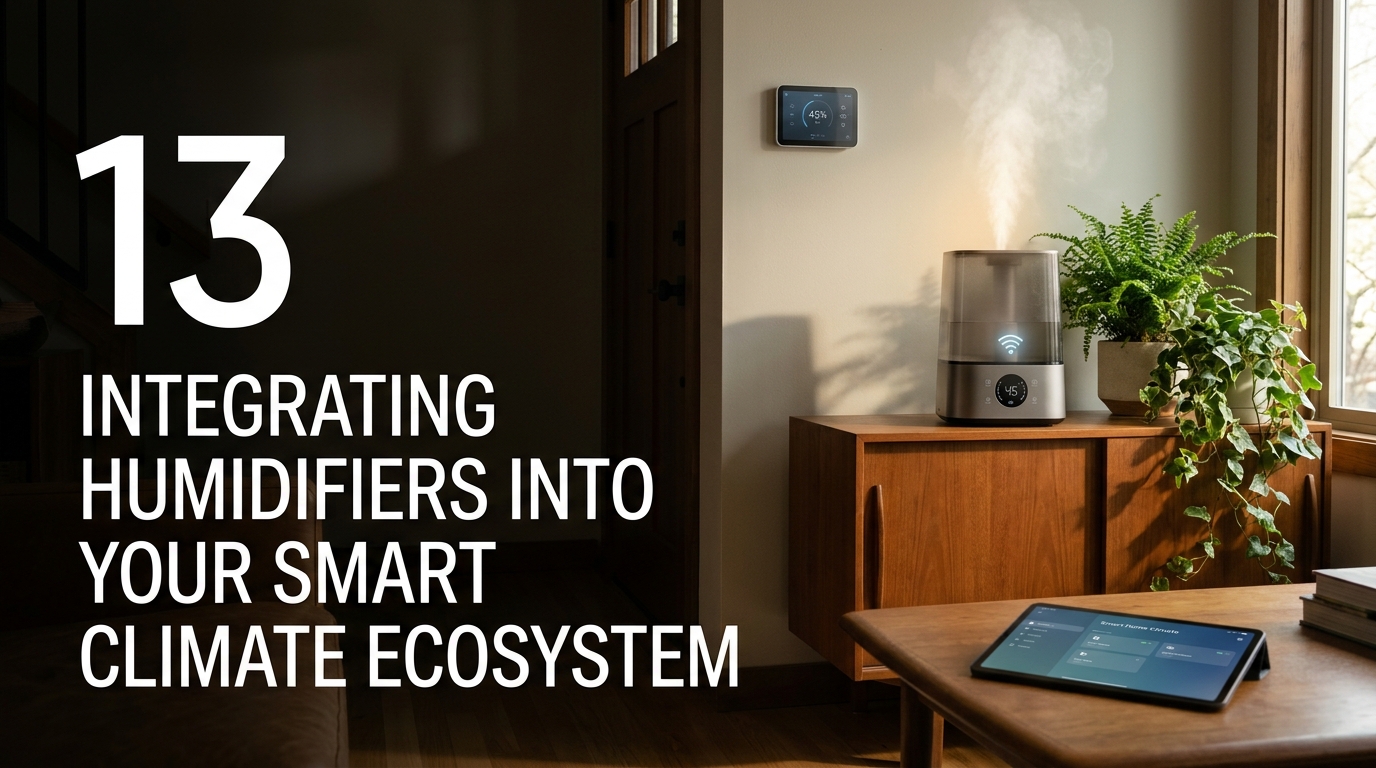
In today’s fast-paced world, creating a comfortable and healthy living environment is essential. Imagine seamlessly integrating humidifiers into your smart climate ecosystem, optimizing your home’s atmosphere with just a touch of a button. Discover how this innovative technology can enhance your quality of life and transform your space into a haven of relaxation and well-being.
Importance of Humidifiers
Humidifiers play a crucial role in maintaining optimal indoor air quality and comfort levels. They help combat dry air that can lead to various health issues such as dry skin, irritated sinuses, and respiratory problems. By adding moisture to the air, humidifiers can alleviate these discomforts and create a more pleasant living environment. Additionally, proper humidity levels can help protect wooden furniture, musical instruments, and electronic devices from damage caused by overly dry conditions.
Benefits of Integrating Humidifiers into Your Smart Home
Integrating humidifiers into your smart home setup offers several advantages, especially in terms of convenience and control. Smart humidifiers can be easily monitored and adjusted remotely using a smartphone or voice commands, allowing you to maintain ideal humidity levels even when you’re away from home. Moreover, some models can sync with weather forecasts or indoor climate sensors to automatically adjust settings for optimal comfort. By incorporating a smart humidifier into your home ecosystem, you can enjoy improved air quality and comfort with minimal effort.
Types of Humidifiers
Ultrasonic Humidifiers: These types of humidifiers use ultrasonic vibrations to create a fine mist of water particles, making them virtually silent and energy-efficient. They are ideal for bedrooms or offices where quiet operation is desired.
Evaporative Humidifiers: Evaporative humidifiers work by blowing air through a wet wick or filter, causing water to evaporate and increase humidity levels. They are effective in larger areas and are easy to maintain, although they can be noisier compared to ultrasonic models.
Steam Vaporizers: Steam vaporizers heat water to create steam, which is then released into the air to add moisture. They are effective in killing bacteria and viruses in the air, making them a good choice for those concerned about air quality.
Benefits of Integrating Humidifiers into Your Smart Home
Integrating a humidifier into your smart home setup offers various benefits, such as improved indoor air quality, better respiratory health, and protection for wooden furniture and musical instruments. With smart features like remote control and automatic humidity monitoring, you can ensure optimal comfort levels in your living space while reducing energy consumption. Additionally, smart humidifiers can be seamlessly integrated with other smart devices in your home, allowing for a more connected and convenient living experience.
Benefits of Integrating Humidifiers into Your Smart Home
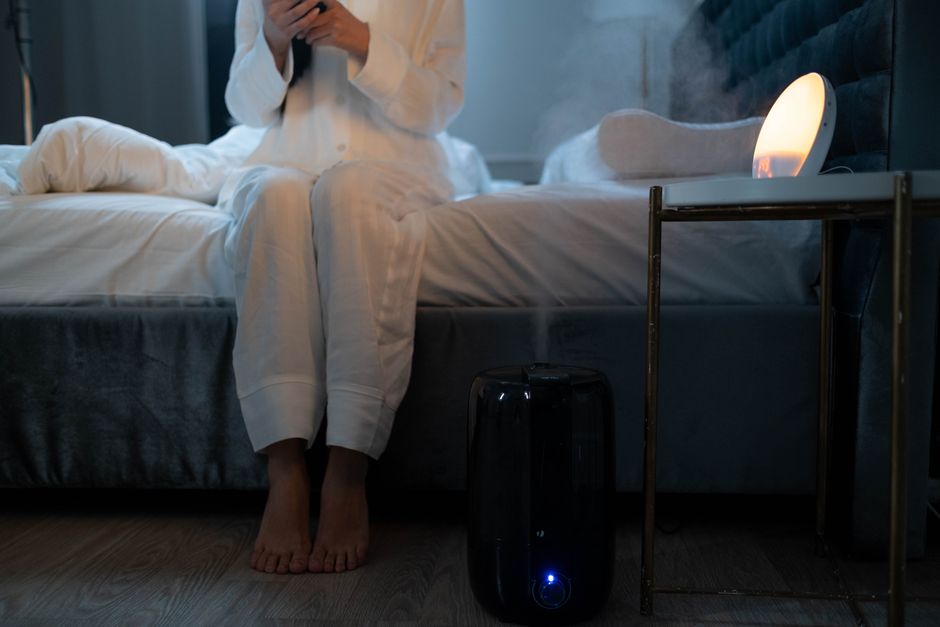
Humidifiers play a crucial role in maintaining optimal indoor air quality, especially in smart homes. By integrating a humidifier into your smart home ecosystem, you can enjoy a range of benefits. Firstly, humidifiers help to combat dry air, which can lead to various health issues such as dry skin, irritated eyes, and respiratory problems. By keeping the air at the right humidity level, you can create a more comfortable and healthier living environment for you and your family.
Moreover, smart humidifiers can be controlled remotely using your smartphone or smart home assistant, allowing you to adjust the humidity levels from anywhere. This level of control not only enhances convenience but also helps in optimizing energy efficiency. By integrating a humidifier into your smart home setup, you can create a more connected and intelligent living space that prioritizes your comfort and well-being.
How to Choose the Right Humidifier for Your Smart Home
When selecting a humidifier for your smart home, there are several factors to consider to ensure you make the right choice. First, determine the size of the area you need to humidify, as different humidifiers are designed for various room sizes. Consider the type of humidifier that best suits your needs, whether it’s an evaporative, ultrasonic, or steam humidifier.
Additionally, look for smart features such as Wi-Fi connectivity, app control, and compatibility with your existing smart home ecosystem. Consider the maintenance requirements and operating costs of the humidifier to ensure it fits seamlessly into your smart home setup. By carefully evaluating these factors, you can choose the right humidifier that not only enhances the air quality in your home but also integrates seamlessly into your smart living environment.
How to Choose the Right Humidifier for Your Smart Home
Choosing the right humidifier for your smart home is crucial for maintaining optimal indoor air quality and comfort levels. Consider factors such as the size of the room, the type of humidification needed (cool or warm mist), and the level of automation you desire. Smart humidifiers offer features like remote control via smartphone apps, compatibility with voice assistants, and integration with smart home ecosystems.
Look for a humidifier that suits your specific needs and fits seamlessly into your smart home setup. Whether you prefer a sleek design, energy-efficient operation, or advanced sensors for monitoring humidity levels, there are various options available in the market. Prioritize features that align with your lifestyle and home automation preferences to enjoy the benefits of a smart humidifier effectively.
Setting Up Your Humidifier in a Smart Climate Ecosystem
Integrating your humidifier into a smart climate ecosystem can enhance the overall efficiency and convenience of managing indoor air quality. Connect your smart humidifier to compatible devices such as smart thermostats, air quality monitors, and voice-controlled assistants for seamless automation. Create custom routines or triggers to adjust humidity levels based on specific conditions or time schedules.
Ensure proper placement of your smart humidifier in the room to maximize its effectiveness and coverage. Consider factors like distance from walls, proximity to air vents, and accessibility for refilling and maintenance. By incorporating your humidifier into a smart climate ecosystem, you can create a more comfortable and healthier living environment while optimizing energy usage and overall home automation experience.
Setting Up Your Humidifier in a Smart Climate Ecosystem
Setting up a humidifier in a smart climate ecosystem involves integrating it with other smart devices to create a seamless, automated experience. Begin by connecting your humidifier to your smart home hub or system, such as Google Home or Amazon Alexa, for voice control and remote access. Next, consider syncing your humidifier with your smart thermostat to maintain optimal humidity levels based on your preferences and the current climate conditions.
Additionally, you can explore setting up automation routines that trigger your humidifier to turn on/off at specific times or in response to certain environmental cues. This way, you can enjoy the benefits of improved air quality and comfort without the need for manual adjustments. Finally, ensure that your smart humidifier is placed in an ideal location within your home to maximize its effectiveness and coverage, taking into account factors like room size, airflow, and proximity to other smart sensors or devices.
Maintenance Tips for Smart Humidifier Integration
Maintaining your smart humidifier is essential to ensure its longevity and optimal performance. Regularly clean and disinfect the water tank, filter, and any other components according to the manufacturer’s instructions to prevent the buildup of mold, bacteria, and mineral deposits. It’s also advisable to use distilled water to minimize mineral accumulation and prolong the lifespan of your humidifier.
Furthermore, monitor the humidity levels in your home regularly and adjust the settings on your smart humidifier as needed to maintain a comfortable and healthy environment. Keep an eye on any alerts or notifications from your smart home system regarding the status of your humidifier, such as low water levels or filter replacements. By staying proactive with maintenance and monitoring, you can enjoy the full benefits of integrating a smart humidifier into your home ecosystem for years to come.
Maintenance Tips for Smart Humidifier Integration
Regular Cleaning: Keeping your smart humidifier clean is essential for optimal performance and air quality. Follow the manufacturer’s instructions for cleaning intervals and methods to prevent mold and bacteria growth.
Filter Replacement: Check and replace the filters in your smart humidifier as recommended by the manufacturer. Clean filters ensure efficient operation and prevent contaminants from being released into the air.
Monitoring Water Quality: Use distilled water or demineralized water in your smart humidifier to prevent mineral buildup. Regularly check the water quality and clean the water tank to avoid scale deposits.
Software Updates: Keep your smart humidifier’s companion app up to date to ensure compatibility with your smart home ecosystem. Check for firmware updates regularly to access new features and improvements.
Humidity Level Adjustment: Monitor and adjust the humidity levels in your smart home using the app or control panel. Maintain the recommended humidity range to prevent issues like dry air or excess moisture.