
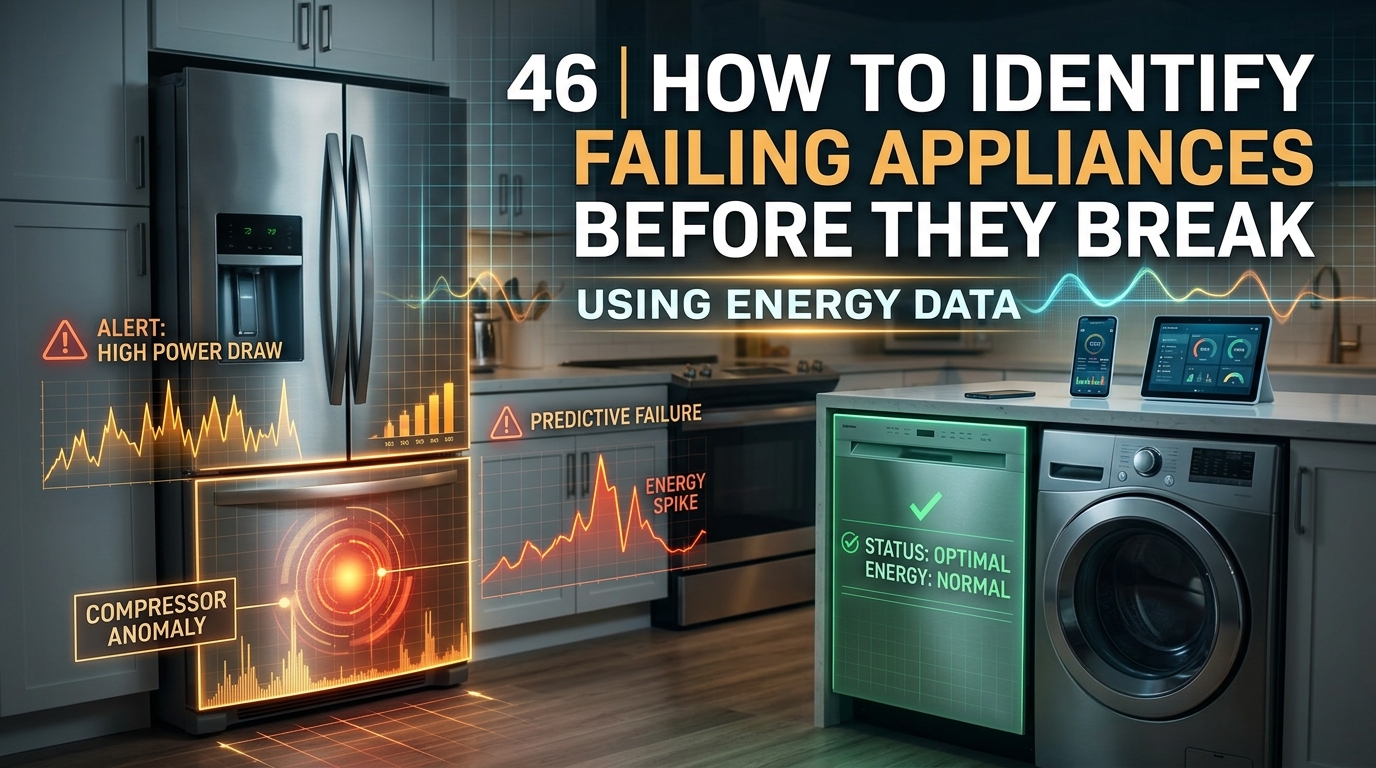
Are you tired of dealing with unexpected appliance breakdowns and costly repairs? Imagine being able to predict when your appliances are starting to fail before they actually break down. With the power of energy data, you can proactively identify warning signs and take action before it’s too late. In this post, we will explore how to leverage energy data to detect failing appliances early, saving you time, money, and hassle.
Importance of Monitoring Energy Data
Monitoring energy data is crucial for homeowners and businesses to track and manage their energy consumption effectively. By monitoring energy data, individuals can identify patterns, trends, and anomalies in their energy usage, allowing them to make informed decisions to optimize energy efficiency and reduce costs. Additionally, monitoring energy data can help detect potential issues or inefficiencies in appliances, allowing for timely maintenance or replacement to prevent larger problems in the future.
Common Signs of Failing Appliances
Recognizing common signs of failing appliances is essential for ensuring the safety and efficiency of a home or business. Some common indicators include unusual noises, increased energy consumption, inconsistent performance, and visible wear and tear. By paying attention to these signs, individuals can address appliance issues promptly, potentially avoiding costly repairs or replacements in the future. Regular monitoring and maintenance of appliances can help extend their lifespan and prevent unexpected breakdowns.
Importance of Monitoring Energy Data
Monitoring energy data is crucial for maintaining the efficiency of your home appliances and reducing energy costs. By tracking energy consumption patterns, you can identify areas where energy is being wasted and take steps to optimize usage. Regular monitoring allows you to detect any unusual spikes in energy consumption, which could indicate potential issues with appliances or insulation.
With the help of energy monitoring tools and smart technology, you can gain valuable insights into your energy usage patterns and make informed decisions to improve efficiency. By staying on top of your energy data, you can not only save money on utility bills but also contribute to a more sustainable environment by reducing your overall energy footprint.
Common Signs of Failing Appliances
Recognizing the signs of failing appliances is essential for preventing costly breakdowns and ensuring the smooth operation of your household. Common indicators of appliance issues include unusual noises, decreased performance, frequent power surges, or visible damage such as leaks or rust. Ignoring these warning signs can lead to higher energy bills and potential safety hazards.
Regular inspection and maintenance of appliances can help identify problems early on and extend their lifespan. By addressing issues promptly, you can avoid the inconvenience of unexpected breakdowns and the expenses associated with replacing or repairing appliances. Stay vigilant for any unusual behavior or performance changes in your appliances to keep your home running efficiently.

Importance of Monitoring Energy Data
Monitoring energy data is crucial for maintaining a sustainable and efficient household. By tracking energy usage patterns, homeowners can identify areas of high consumption and take steps to reduce wastage. Regular monitoring also helps in detecting any irregularities or sudden spikes in energy usage, which could indicate a malfunctioning appliance or system. This proactive approach not only saves money on utility bills but also contributes to a greener environment by reducing overall energy consumption.
Common Signs of Failing Appliances
Recognizing the common signs of failing appliances is essential for preventing costly repairs and potential safety hazards. Unusual noises, strange odors, frequent breakdowns, or a sudden increase in energy consumption can indicate that an appliance is malfunctioning. Addressing these signs promptly can help avoid more significant issues and extend the lifespan of the appliance. Regular maintenance and timely repairs are key to ensuring that household appliances operate efficiently and safely.
Analyzing Energy Consumption Patterns
By analyzing energy consumption patterns, homeowners can gain valuable insights into their usage habits and make informed decisions to optimize energy efficiency. Tracking energy consumption over time can reveal trends, peak usage hours, and areas of improvement. This data-driven approach enables individuals to implement energy-saving strategies, such as adjusting usage schedules or upgrading to more energy-efficient appliances. Understanding energy consumption patterns is the first step towards creating a more sustainable and cost-effective household.
Using Smart Technology for Early Detection
Smart technology has revolutionized the way we monitor and manage energy consumption in our homes. By incorporating smart devices such as smart meters, smart plugs, and smart thermostats, homeowners can gain real-time insights into their energy usage patterns. These devices can detect anomalies and notify users of any irregularities or potential issues with their appliances, allowing for early detection of problems before they escalate.
Furthermore, smart technology enables users to remotely monitor and control their appliances, optimizing energy usage and potentially saving on utility bills. With the ability to set customized alerts and receive notifications on their smartphones, homeowners can take proactive steps to address energy inefficiencies or malfunctioning appliances promptly, ultimately leading to a more efficient and sustainable household.
Tips for Maintaining Appliances
Regular Cleaning: One of the most important tips for maintaining appliances is to regularly clean them. Dust, dirt, and debris can build up over time, affecting the performance and efficiency of the appliance. Make sure to clean filters, coils, and other components as recommended by the manufacturer.
Proper Use: Another key aspect of appliance maintenance is to use them properly. Avoid overloading the appliances, follow the recommended settings and instructions, and be mindful of any unusual sounds or behaviors. Proper usage can significantly extend the lifespan of your appliances.
Schedule Professional Inspections: Consider scheduling regular inspections by a professional technician to ensure that your appliances are in good working condition. They can identify potential issues early on and provide maintenance services to keep your appliances running smoothly.
In conclusion, monitoring energy data and maintaining appliances play a crucial role in energy efficiency and cost savings for households. By analyzing energy consumption patterns and using smart technology for early detection of issues, homeowners can identify and address appliance failures promptly. Regular maintenance of appliances not only extends their lifespan but also helps in preventing unexpected breakdowns, reducing energy waste, and ensuring a comfortable living environment. Incorporating these practices into daily routines can lead to significant energy savings and contribute to a more sustainable future.