
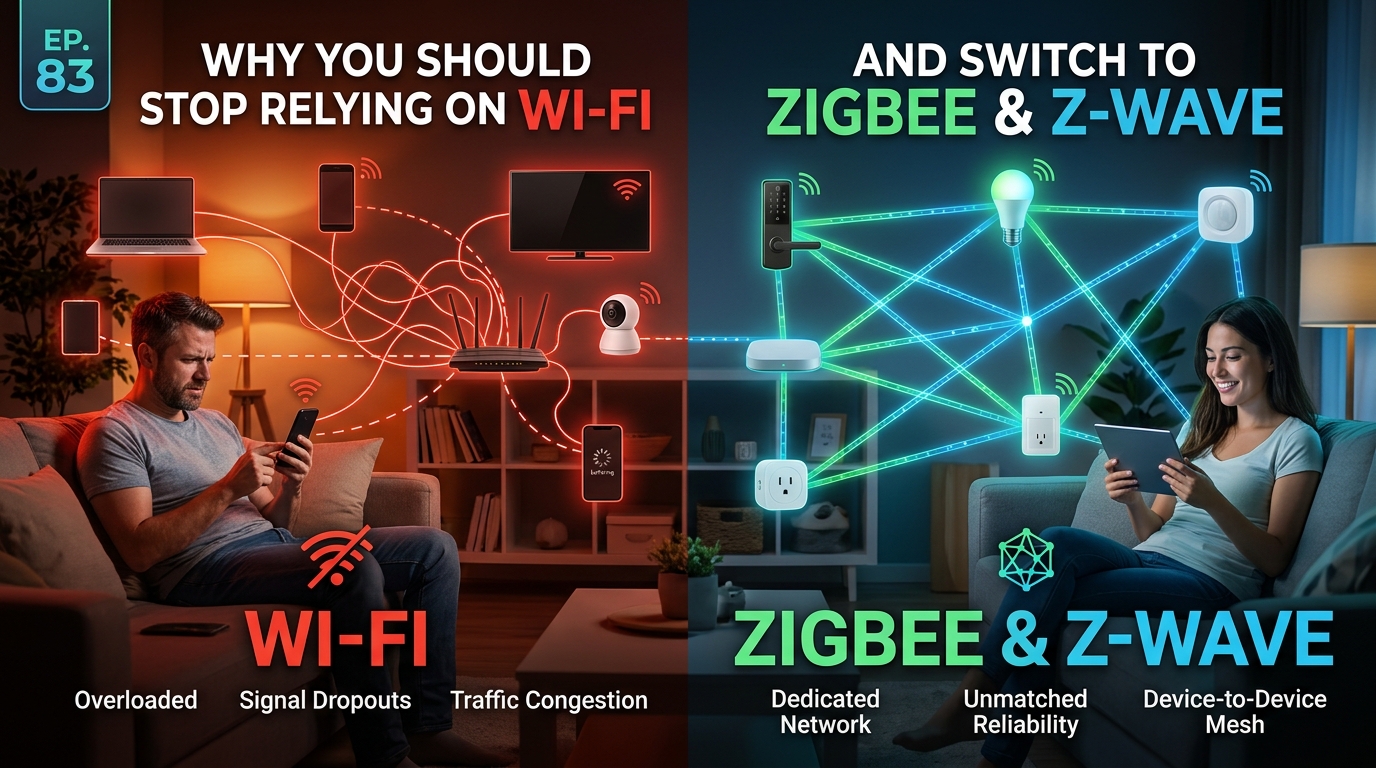

Are you tired of dealing with slow and unreliable Wi-Fi connections? It may be time to consider making the switch to Zigbee or Z-Wave technology. These wireless communication protocols offer numerous benefits that can improve your home network experience. Let’s explore why you should stop relying on Wi-Fi and embrace the advantages of Zigbee or Z-Wave.
Differences between Wi-Fi, Zigbee, and Z-Wave
Wi-Fi: Wi-Fi is a popular wireless networking technology that operates on the 2.4 GHz or 5 GHz frequency bands. It offers high data transfer rates and is commonly used for internet connectivity in homes and businesses. Wi-Fi devices require more power compared to Zigbee and Z-Wave devices, making them less energy-efficient for battery-operated devices.
Zigbee: Zigbee is a low-power, low-data rate wireless communication technology that operates on the 2.4 GHz frequency. It is designed for low-cost, low-power IoT devices that require long battery life. Zigbee uses mesh networking, allowing devices to communicate with each other to extend coverage range. It is commonly used in smart home applications for devices like sensors, smart plugs, and light bulbs.
Z-Wave: Z-Wave is a wireless communication protocol that operates on the sub-1 GHz frequency band. It is optimized for smart home devices and offers reliable communication over longer distances compared to Wi-Fi and Zigbee. Z-Wave uses a mesh network topology similar to Zigbee, enabling devices to relay signals and improve network coverage. Z-Wave devices are interoperable, meaning they can work together regardless of the manufacturer.
Benefits of Zigbee and Z-Wave
Interoperability: One of the key benefits of Zigbee and Z-Wave is their interoperability with a wide range of smart home devices. Both protocols allow devices from different manufacturers to work together seamlessly, creating a unified smart home ecosystem. This interoperability ensures that users have flexibility in choosing devices that best suit their needs without worrying about compatibility issues.
Low Power Consumption: Zigbee and Z-Wave are designed to be energy-efficient, making them ideal for battery-powered devices such as sensors and smart locks. These protocols use low-power radio frequency signals, enabling devices to operate for extended periods without frequent battery replacements. This efficiency not only reduces the cost of maintenance but also contributes to a more sustainable and environmentally friendly smart home setup.

Reliability and Security Comparison
Reliability: When comparing Zigbee and Z-Wave in terms of reliability, both wireless protocols offer robust performance in smart home applications. Zigbee operates on the 2.4 GHz frequency band, which can be prone to interference from other devices like Wi-Fi networks and Bluetooth. On the other hand, Z-Wave operates on the lower frequency of 908.42 MHz in the US, providing better penetration through walls and larger coverage areas, making it more reliable in home automation setups.
Security: Security is a crucial aspect to consider when choosing between Zigbee and Z-Wave for your smart home ecosystem. Zigbee uses AES 128-bit encryption for data transmission, ensuring a secure communication channel between devices. Z-Wave, on the other hand, employs a unique network key for each device in the network, adding an extra layer of security. Both protocols offer secure communication, but Z-Wave’s individual device encryption keys provide a more robust security framework, making it a preferred choice for users prioritizing data protection and privacy in their smart home setups.
Cost Considerations
Initial Cost: When considering cost, it is important to look at both the initial investment and long-term expenses. Wi-Fi devices tend to be more affordable upfront compared to Zigbee and Z-Wave devices. However, the cost of Zigbee and Z-Wave devices has been decreasing as their popularity grows, making them more competitive in terms of initial cost.
Operating Cost: Another aspect to consider is the operating cost of the different protocols. Wi-Fi devices generally consume more power compared to Zigbee and Z-Wave devices, which can result in higher electricity bills over time. Zigbee and Z-Wave devices are designed to be energy efficient, leading to potential cost savings in the long run. Additionally, the interoperability of Zigbee and Z-Wave devices can contribute to cost savings by allowing users to mix and match products from different manufacturers without being locked into a single ecosystem.
How to Transition to Zigbee or Z-Wave
Transitioning to Zigbee or Z-Wave technology in your smart home can be a smooth process with proper planning and execution. The first step is to assess your current smart home devices and determine if they are compatible with Zigbee or Z-Wave protocols. Most newer smart devices in the market today are designed to work with these protocols, but older devices may need to be replaced.
Next, consider the hub or controller: Zigbee and Z-Wave devices typically require a hub or controller to communicate with each other. Ensure that you have a compatible hub that can support the devices you plan to integrate. Some hubs even support multiple protocols, offering flexibility in your smart home setup.
Zigbee and Z-Wave are both solid choices for home automation systems, each with its own strengths and weaknesses. Ultimately, the decision between the two technologies will depend on your specific needs and preferences. Zigbee’s mesh network capability allows for excellent scalability and reliability, making it a great option for larger homes or businesses. On the other hand, Z-Wave offers a wider range of devices and compatibility with various brands, making it a versatile choice for users who prioritize device options.
In conclusion, both Zigbee and Z-Wave have proven to be reliable and secure wireless communication protocols for smart home devices. As the Internet of Things continues to grow, these technologies will play a crucial role in shaping the future of connected homes. Whether you choose Zigbee or Z-Wave, you can look forward to enjoying the convenience and efficiency that smart home automation provides.