
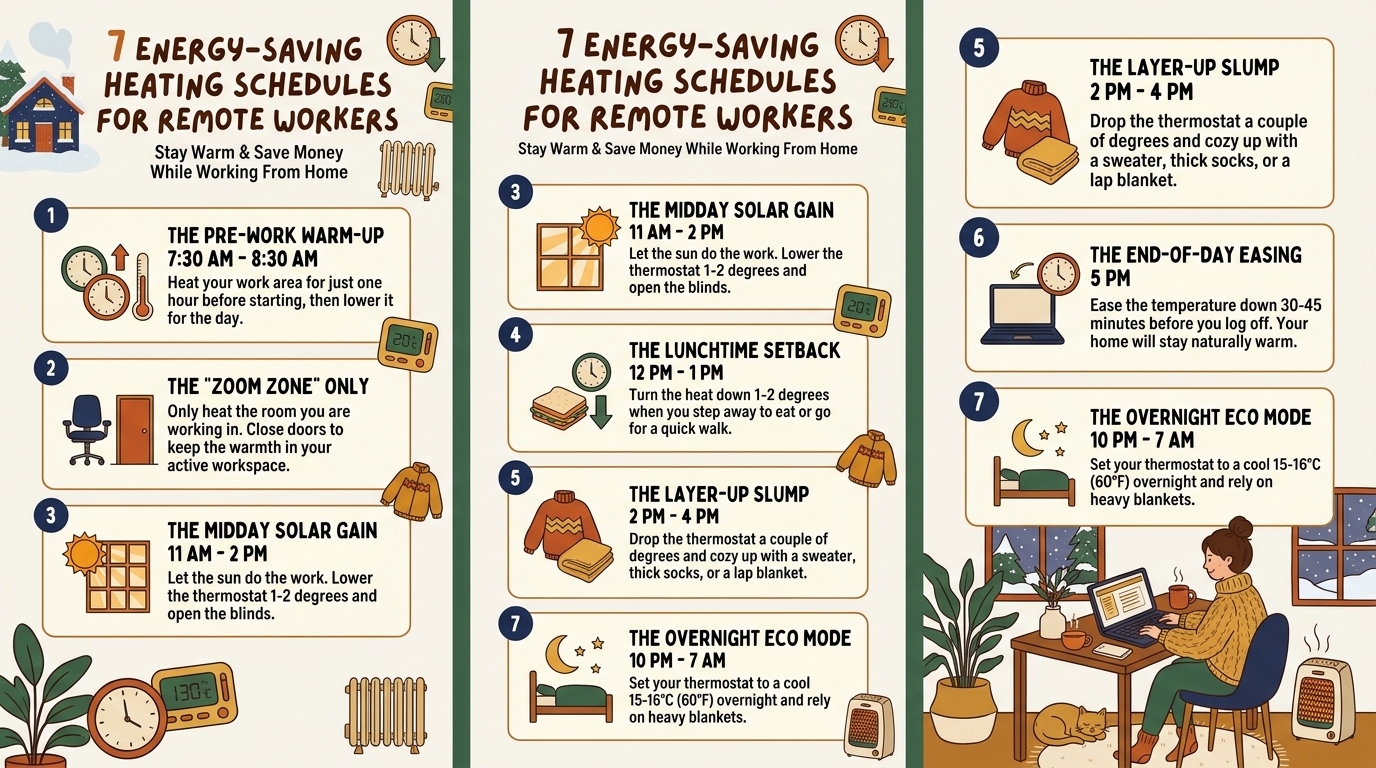
Discover how implementing energy-saving heating schedules can not only save costs but also create a comfortable and productive work environment for remote workers. By optimizing heating settings based on work hours and personal preferences, you can enhance efficiency, reduce energy waste, and improve overall well-being. Explore the benefits of tailored heating schedules and learn how simple adjustments can make a significant impact on both your budget and remote workforce satisfaction.
Benefits of Energy-Saving Heating Schedules
Save on Energy Costs: Implementing energy-saving heating schedules can lead to significant cost savings by optimizing when and how your heating system operates. By programming your heating to run only when needed, you can avoid unnecessary energy consumption.
Improved Comfort: Heating schedules allow you to customize your home or office’s temperature based on your preferences. You can ensure that the space is comfortably warm when you need it, without wasting energy on heating an empty room. This leads to a more comfortable and productive environment.
Tips for Setting Up a Heating Schedule
Understand Your Heating System: Before setting up a schedule, familiarize yourself with your heating system’s capabilities and settings. Different systems may require specific programming techniques to maximize efficiency.
Consider Daily Patterns: Take into account your daily routine when creating a heating schedule. Adjust the temperature settings to align with when you are typically at home or away, ensuring that you are not wasting energy heating an empty space.
Benefits of Energy-Saving Heating Schedules
Reducing energy consumption: Implementing energy-saving heating schedules can lead to significant cost savings by optimizing heating usage based on actual needs. By setting specific time frames for heating, you can avoid unnecessary energy expenditure during periods of low activity or when the space is unoccupied.
Enhancing comfort and productivity: Consistent heating schedules ensure that the space is always at an optimal temperature, creating a comfortable environment for occupants. Maintaining a comfortable temperature can also boost productivity, as individuals are less likely to be distracted or uncomfortable due to temperature fluctuations.
Tips for Setting Up a Heating Schedule
Understand your space: Before setting up a heating schedule, assess the layout of your space, including areas that require more heating or are frequently used. Tailor your schedule to account for these specific needs to maximize efficiency and comfort.
Utilize programmable thermostats: Invest in programmable thermostats that allow you to set different temperature settings throughout the day. This feature enables you to adjust the heating schedule based on occupancy patterns, ensuring that energy is not wasted when the space is vacant.
Best Practices for Remote Workers
Remote workers have unique challenges when it comes to managing heating schedules. One key best practice is to set a consistent schedule that aligns with your work hours. This helps optimize energy usage and ensures comfort during your workday. Additionally, consider investing in a programmable thermostat that allows you to adjust the temperature based on your work schedule. This can help save energy when you’re not working and ensure a comfortable environment when you are.
Another best practice for remote workers is to utilize smart technology to control heating schedules remotely. Smart thermostats and apps allow you to adjust settings from your smartphone or computer, giving you flexibility and control over your heating schedule no matter where you are. By incorporating these best practices, remote workers can create an efficient and comfortable heating schedule that meets their needs.
Case Studies of Successful Heating Schedules
Case Study 1: Energy-Efficient Offices
One company implemented a customized heating schedule for their office spaces, resulting in a significant reduction in energy consumption. By setting the heating system to lower temperatures during non-working hours and optimizing settings based on occupancy patterns, they were able to cut down on heating costs by 30% annually. This approach not only saved money but also contributed to a more sustainable work environment.
Case Study 2: Smart Home Solutions
In another case, a family adopted smart thermostats and heating schedules in their home. By programming different temperature settings for different times of the day, they achieved a balance between comfort and energy efficiency. This resulted in a noticeable decrease in their monthly energy bills and improved overall comfort levels. The ability to control heating remotely also provided them with added convenience and peace of mind.
Tools and Apps for Managing Heating Schedules
If you’re looking to streamline the management of your heating schedules, there are various tools and apps available to help you achieve optimal energy efficiency and comfort. One popular option is the Nest Learning Thermostat, which not only allows you to set heating schedules remotely but also learns your preferences over time to maximize savings. With its user-friendly interface and energy-saving features, the Nest thermostat is a top choice for many homeowners.
Another useful tool for managing heating schedules is the Honeywell Home app, which offers detailed insights into your heating usage and allows you to adjust settings from anywhere using your smartphone. This app provides personalized recommendations to help you save energy and money while keeping your home comfortable. By leveraging these tools and apps, you can take control of your heating schedule and create a more efficient and sustainable living environment.
Tools and Apps for Managing Heating Schedules
Smart thermostats: These devices allow users to control their heating schedules remotely through a smartphone app. They offer features like geofencing, learning algorithms, and energy usage reports to optimize heating efficiency.
Energy management apps: Apps like Nest and Ecobee provide comprehensive tools for creating and managing heating schedules. They offer insights into energy consumption, temperature trends, and personalized recommendations for improving energy efficiency.
In conclusion, implementing energy-saving heating schedules is a smart and environmentally friendly way to optimize energy usage and reduce utility bills. By following the tips and best practices outlined in this guide, individuals can effectively manage their heating schedules for maximum comfort and efficiency. Utilizing tools and apps designed for this purpose can further enhance the user experience and make the process seamless and convenient.