

In the fast-paced world of automation, the choice between mmWave and PIR motion sensors can make a significant impact on efficiency and effectiveness. Both technologies offer unique advantages and capabilities, but determining which is better suited for your specific needs requires a deeper understanding of their strengths and limitations. Let’s delve into the key differences between mmWave and PIR motion sensors to help you make an informed decision for your automation projects.
What are mmWave Sensors?
mmWave sensors are a type of sensor technology that operates in the millimeter wave frequency range, typically between 30 GHz and 300 GHz. These sensors use electromagnetic waves to detect and measure objects in their surrounding environment. mmWave sensors are commonly used in applications such as automotive radar systems, industrial automation, and security systems.
One of the key features of mmWave sensors is their ability to provide high-resolution sensing capabilities, allowing for precise detection of objects, even in challenging environmental conditions such as darkness, fog, or rain. These sensors can also differentiate between different types of materials and provide accurate distance measurements, making them suitable for a wide range of applications that require reliable and accurate object detection.
What are PIR Motion Sensors?
Passive Infrared (PIR) motion sensors are electronic devices that detect motion by measuring changes in infrared radiation levels in their surrounding environment. These sensors work by detecting the heat energy emitted by objects in their field of view, such as humans or animals. When motion is detected, the sensor triggers a response, such as turning on lights or activating an alarm system.
How do PIR Motion Sensors Work?
PIR motion sensors consist of a pyroelectric sensor, which generates an electrical charge when exposed to infrared radiation. The sensor is divided into multiple zones, allowing it to detect motion across a wide area. When an object moves within the sensor’s range, it causes a rapid change in infrared radiation levels, which is detected by the sensor. This change in radiation triggers the sensor to send a signal to the connected system, initiating the appropriate action.
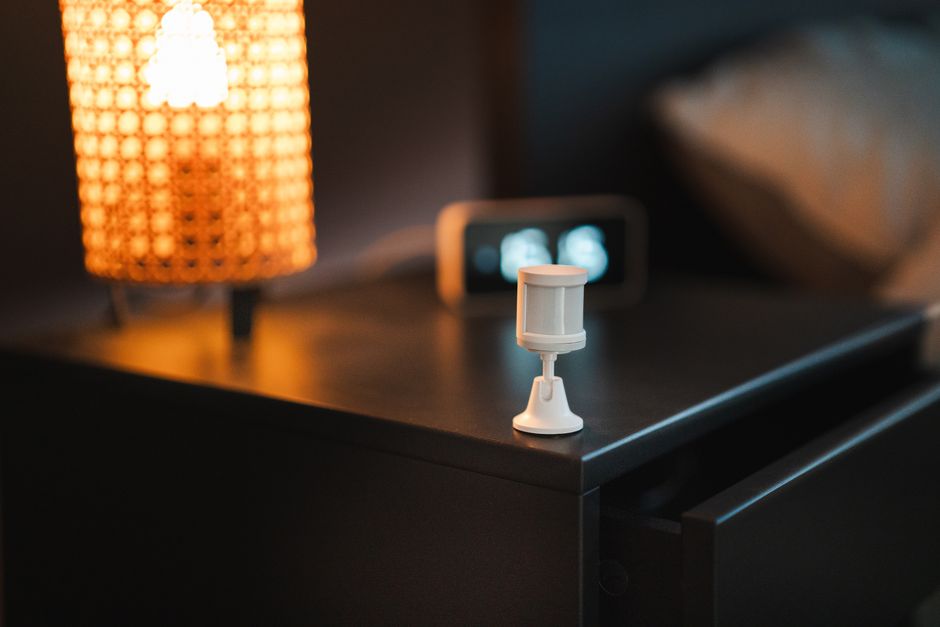
Comparison of mmWave and PIR Motion Sensors
Technology: mmWave sensors use radio waves in the millimeter wave frequency range to detect motion and measure distances with high accuracy. PIR motion sensors, on the other hand, detect infrared radiation emitted by objects in their field of view. The technology used in mmWave sensors allows them to provide more precise motion detection and distance measurement compared to PIR sensors.
Range and Coverage: mmWave sensors typically have a longer range and wider coverage area compared to PIR sensors. This makes them suitable for applications where detecting motion at greater distances is required, such as in industrial settings or outdoor environments. In contrast, PIR sensors are more commonly used in indoor spaces where the detection range is limited.
Advantages and Disadvantages of mmWave Sensors
Advantages: mmWave sensors offer high accuracy in detecting objects, people, or motion due to their ability to work in various environmental conditions such as darkness, smoke, or extreme temperatures. These sensors also provide precise distance measurement and can distinguish between different materials, making them suitable for applications requiring detailed object recognition. Additionally, mmWave sensors are less affected by ambient light, making them reliable for outdoor use where lighting conditions may vary.
Disadvantages: One of the main drawbacks of mmWave sensors is their relatively higher cost compared to other motion sensing technologies. The complex design and advanced technology used in mmWave sensors contribute to their higher price point, which may make them less accessible for budget-sensitive projects. Furthermore, mmWave sensors can be susceptible to interference from other electronic devices operating in the same frequency range, potentially leading to false alarms or reduced performance in crowded electromagnetic environments.
Advantages and Disadvantages of PIR Motion Sensors
Advantages: PIR motion sensors are popular for their cost-effectiveness and energy efficiency. They are relatively simple devices that detect motion by measuring infrared radiation emitted by objects in their field of view. This technology allows for quick and reliable detection of movement, making PIR sensors ideal for applications like security systems, automatic lighting, and occupancy detection. Another advantage of PIR sensors is their ability to operate well in various lighting conditions, including darkness, which makes them versatile for indoor and outdoor use.
Disadvantages: Despite their many advantages, PIR motion sensors have limitations that need to be considered. One major disadvantage is their limited range and narrow detection angle, which can restrict their coverage area compared to other motion sensing technologies. Additionally, PIR sensors can be prone to false alarms triggered by sudden changes in temperature or movement of pets or small animals. To mitigate these drawbacks, proper placement and calibration of PIR sensors are essential to ensure accurate and reliable performance.
Summary: In conclusion, both mmWave sensors and PIR motion sensors offer unique advantages and disadvantages depending on the specific application requirements. It is essential to carefully consider factors such as range, accuracy, power consumption, and environmental conditions when selecting the appropriate sensor technology for a particular use case.
Future Developments: As technology continues to evolve, we can expect further advancements in both mmWave and PIR sensor technologies. Researchers and engineers are likely to focus on improving sensor accuracy, reducing power consumption, enhancing integration with other devices, and expanding the range of applications for these sensors. It will be interesting to see how these developments shape the future of sensor technology in various industries.