
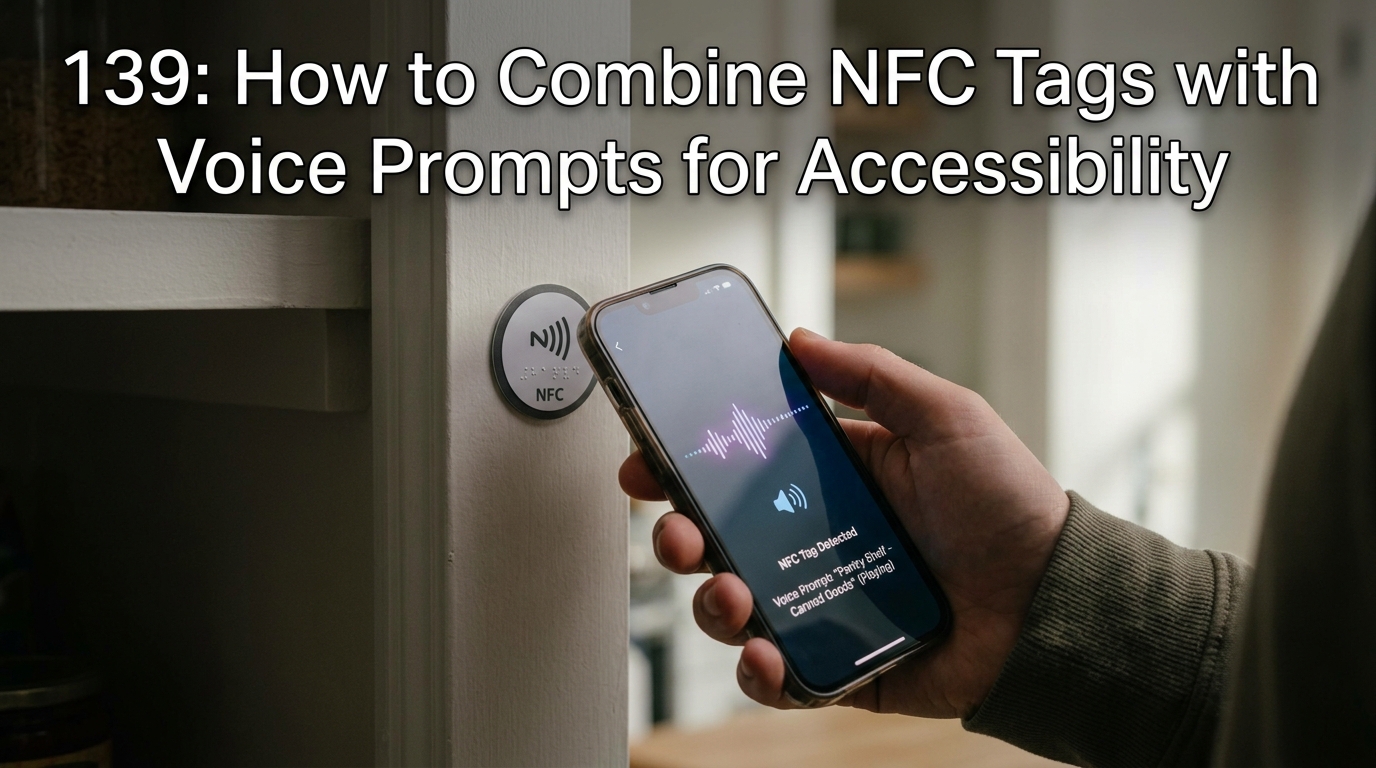
Discover an innovative way to enhance accessibility using NFC tags and voice prompts. By combining these two technologies, you can create a seamless and intuitive experience for users. Imagine the possibilities of providing information, instructions, or assistance with just a tap and a voice command. Join us as we explore the potential of this powerful combination in improving accessibility for all.
What are NFC Tags?
NFC (Near Field Communication) tags are small electronic devices that can store data and wirelessly communicate with NFC-enabled devices like smartphones and tablets. These tags contain a microchip and an antenna, allowing them to interact with NFC readers at close range, typically within a few centimeters.
NFC tags can be programmed with various types of information, such as web links, contact details, text messages, or commands for the device to execute. They are commonly used in applications like contactless payments, smart posters, access control systems, and asset tracking.
What are Voice Prompts?
Voice prompts are pre-recorded audio messages or instructions that play when triggered by a specific action or event. These prompts are commonly used in various applications, such as interactive voice response systems, virtual assistants, and smart devices. Voice prompts provide a user-friendly and intuitive way to communicate information, guide users through processes, or deliver personalized messages.
By leveraging voice prompts, businesses can enhance user experiences, improve accessibility for individuals with visual impairments, and streamline interactions with technology. The use of voice prompts can also help reduce the cognitive load on users by providing clear and concise verbal cues, leading to a more seamless and efficient user interaction.

Benefits of Combining NFC Tags and Voice Prompts
NFC tags and voice prompts offer a powerful combination that enhances user experience and accessibility in various applications. By integrating NFC technology with voice prompts, users can interact with physical objects or devices more intuitively and conveniently. NFC tags enable quick and easy access to information or actions by simply tapping a compatible device, while voice prompts provide audio guidance or instructions, making interactions more user-friendly for individuals with visual impairments or those who prefer auditory cues.
Furthermore, the combination of NFC tags and voice prompts can streamline processes and improve efficiency in tasks such as data collection, navigation, or information retrieval. For example, in retail environments, customers can receive product details or promotions by tapping an NFC tag and listening to a voice prompt, creating a seamless and engaging shopping experience. In healthcare settings, patients can access personalized instructions or reminders by interacting with NFC tags and voice prompts, enhancing adherence to treatment plans and improving overall care outcomes.
How to Program NFC Tags with Voice Prompts
NFC tags can be programmed with voice prompts to provide interactive experiences for users. The process of programming NFC tags with voice prompts involves encoding audio files onto the NFC tag, along with any additional data or instructions. To program NFC tags with voice prompts, you will need an NFC-enabled device such as a smartphone or tablet, NFC tags, and a compatible NFC programming app.
First, you will need to select the audio files you want to associate with each NFC tag. These audio files can include pre-recorded messages, instructions, or prompts that will be triggered when the NFC tag is scanned. Next, use the NFC programming app to write the audio files onto the NFC tag. Once the NFC tag is programmed, users can simply tap their NFC-enabled device on the tag to hear the associated voice prompt.
Case Studies: Real-life Applications
Smart Home Automation: In this case study, NFC tags and voice prompts are used to create a seamless smart home automation system. Homeowners can program NFC tags with specific commands, such as turning on lights, adjusting the thermostat, or playing music, which can be activated by voice prompts. This integration offers convenience and efficiency, allowing users to control their home environment with a simple tap or voice command.
Retail Customer Engagement: Another real-life application involves using NFC tags and voice prompts in retail settings to enhance customer engagement. Retailers can place NFC tags on products or displays, allowing customers to access additional product information, promotions, or reviews by scanning the tags with their smartphones. Voice prompts can provide interactive guidance or recommendations, creating a personalized shopping experience. This technology helps retailers bridge the gap between physical and digital interactions, leading to increased customer satisfaction and loyalty.
In conclusion, the combination of NFC tags and voice prompts offers a powerful and versatile solution for enhancing user experiences and streamlining processes in various industries. By leveraging the convenience of NFC technology with the interactivity of voice prompts, businesses can create innovative solutions for marketing, customer service, and more.
Furthermore, as technology continues to advance, the potential applications of NFC tags and voice prompts are only expected to grow. It is essential for organizations to stay informed about these developments and consider how they can incorporate these technologies into their strategies to stay competitive and meet the evolving needs of their customers.