
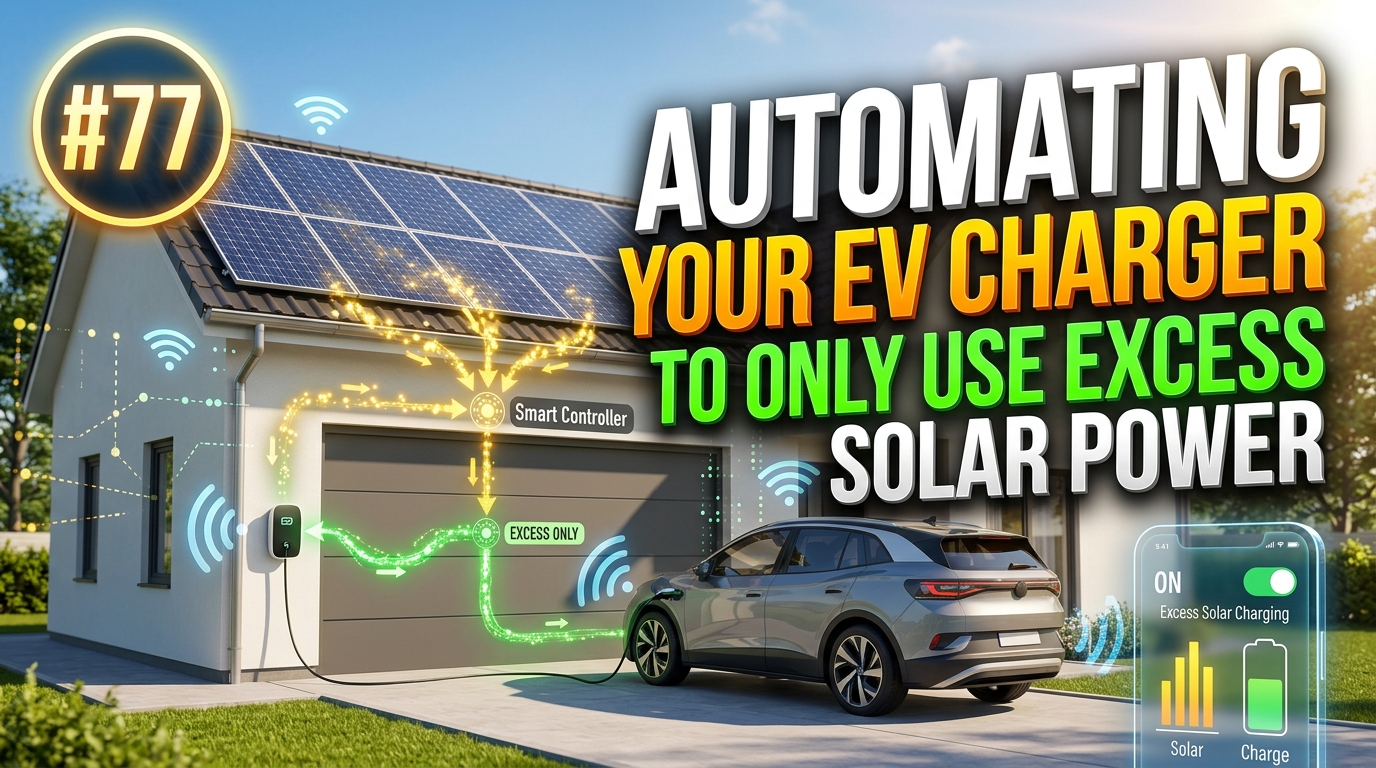
Imagine being able to charge your electric vehicle using only the excess solar power generated by your solar panels. No more worrying about increasing your electricity bill or relying on grid power to charge your car. By automating your EV charger to utilize excess solar power, you can not only reduce your carbon footprint but also save money in the process. Keep reading to learn how this innovative solution can revolutionize the way you power your electric vehicle.
Benefits of Automating Your EV Charger
Cost Savings: Automating your EV charger can help you save money by taking advantage of off-peak electricity rates, scheduling charging during times of lower demand, and optimizing charging based on energy prices.
Convenience: Automation allows you to remotely monitor and control your EV charging process, making it more convenient and flexible for your lifestyle. You can schedule charging sessions, track usage, and receive notifications on your smartphone or computer.
How to Connect Your EV Charger to Solar Power
Connecting your EV charger to solar power is a great way to reduce your carbon footprint and lower your electricity costs. To get started, you’ll need a solar panel system installed on your property. Make sure the system is properly sized to generate enough electricity to power both your home and EV charger. You’ll also need a compatible EV charger that can be connected to your solar system.
Next, you’ll need to install a solar inverter and a dedicated circuit breaker for the EV charger. The solar inverter converts the direct current (DC) electricity generated by the solar panels into alternating current (AC) electricity that can be used to power your home and charge your EV. The dedicated circuit breaker ensures that your EV charger has a separate electrical circuit from the rest of your home, providing a reliable and efficient charging solution. By connecting your EV charger to solar power, you can take advantage of clean, renewable energy to fuel your electric vehicle.
Setting Up the Automation Process
Initial Setup: Setting up automation for your EV charger involves a few key steps. First, ensure your EV charger is compatible with automation technology. Next, determine the type of automation system you want to implement, whether it’s a smart plug, smart EV charger, or a dedicated EV charging management system.
Installation and Configuration: Once you have the necessary equipment, follow the manufacturer’s instructions to install and configure the automation system. This may involve connecting the system to your EV charger, Wi-Fi network, and any accompanying mobile app for remote access and control. Make sure to set up any schedules or triggers for automated charging based on your preferences and energy needs.
Monitoring and Optimizing Your EV Charging
Monitoring Your EV Charging: Monitoring your EV charging activities is crucial to ensure efficiency and track usage patterns. By implementing monitoring tools, you can keep track of charging times, energy consumption, and costs associated with charging your electric vehicle. This data can help you identify any inefficiencies or abnormalities in your charging habits.
Optimizing Your EV Charging: Optimizing your EV charging process involves utilizing the data collected during monitoring to make informed decisions. By analyzing the data, you can identify opportunities to improve efficiency, such as scheduling charging during off-peak hours to take advantage of lower electricity rates. Additionally, optimizing your EV charging can help extend the lifespan of your EV battery by implementing smart charging practices.
Case Studies: Success Stories
Case Study 1: Company X implemented an automated EV charging system that resulted in a 30% reduction in energy costs and a 20% increase in employee satisfaction. By using smart charging technology, they were able to optimize charging schedules based on energy prices, resulting in significant savings. This success story showcases the benefits of automation in managing EV charging infrastructure efficiently.
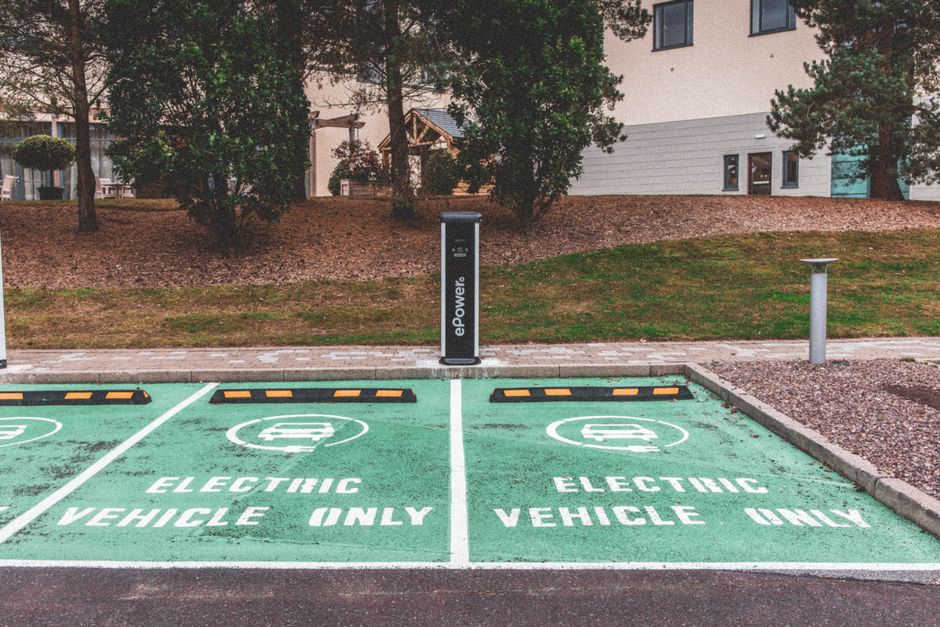
Case Study 2: City Y installed solar-powered EV chargers in public parking areas, reducing their carbon footprint and promoting sustainable transportation. By combining solar energy with smart charging solutions, they were able to offer clean and affordable charging options to residents and visitors. This case study demonstrates the positive impact of connecting EV chargers to solar power and leveraging automation for environmental and economic benefits.
Conclusion and Final Thoughts
Summary: In conclusion, automating your EV charger and connecting it to solar power can bring numerous benefits, including cost savings, environmental sustainability, and convenience. By setting up the automation process effectively and monitoring your EV charging system, you can optimize its performance and ensure efficient usage.
Final Considerations: As electric vehicles become more prevalent, integrating renewable energy sources like solar power into the charging process can play a crucial role in reducing carbon emissions and promoting a cleaner energy future. Case studies have shown that businesses and individuals alike can successfully implement these strategies to achieve both economic and environmental advantages. In the end, embracing automation and renewable energy for EV charging is not just a trend but a sustainable solution for a greener tomorrow.