
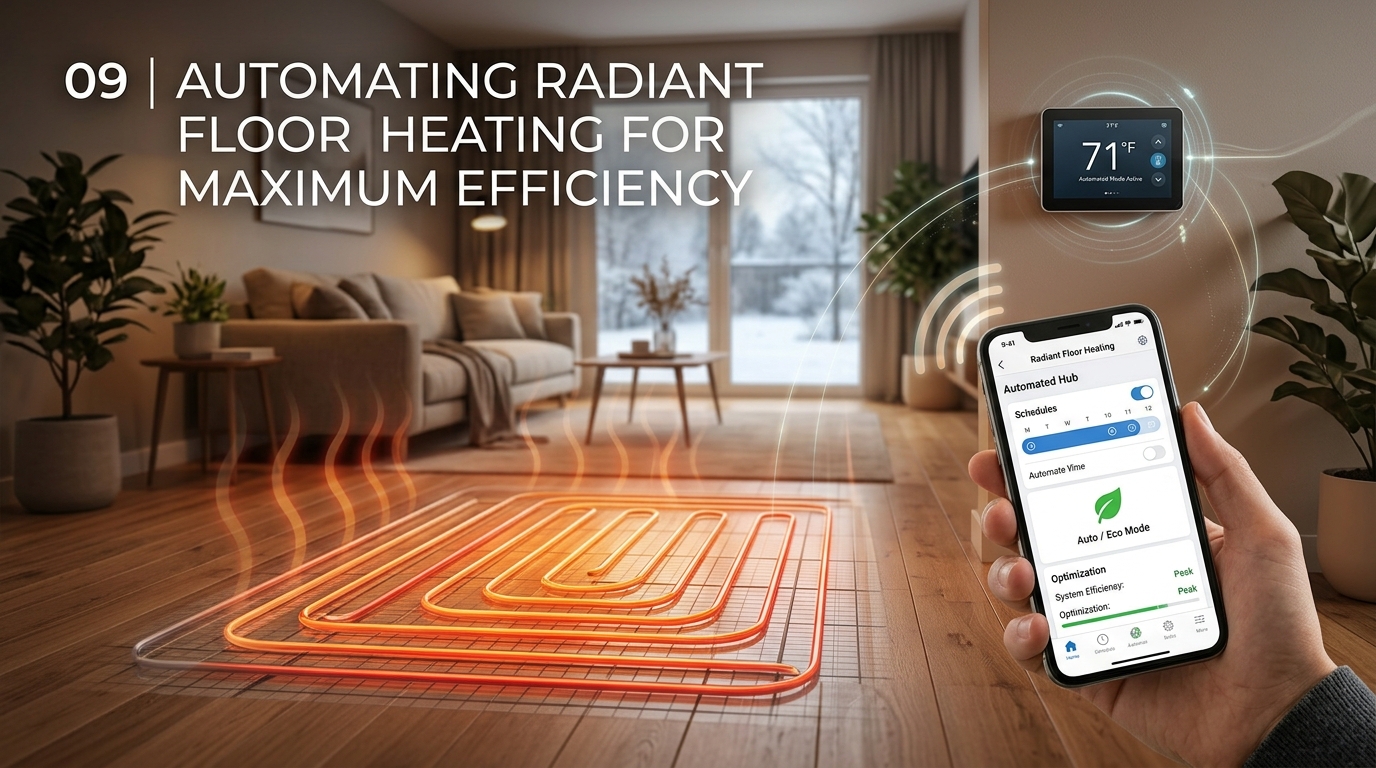
Discover how you can revolutionize the way you heat your home with automated radiant floor heating. Say goodbye to chilly mornings and hello to a cozy, efficient living space. Learn how this innovative technology can help you save money on energy bills while keeping your home comfortably warm.
Benefits of Radiant Floor Heating
Radiant floor heating offers a range of benefits that make it a popular choice for homeowners. One key advantage is the even distribution of heat throughout the room, providing a more comfortable and consistent temperature compared to traditional heating systems. Additionally, radiant floor heating is energy efficient, as it eliminates the need for ductwork, reducing heat loss and improving overall energy consumption. Another benefit is the reduction of allergens and dust particles in the air, as there are no air vents circulating debris throughout the space. Overall, radiant floor heating not only enhances the comfort of your home but also helps to lower energy bills and create a healthier living environment.
Automation Features for Radiant Floor Heating
Automation features for radiant floor heating systems offer convenient control and customization options for homeowners. With smart thermostats and programmable settings, users can easily adjust the temperature of different zones in their home to suit their preferences. Some systems even have sensors that detect occupancy and adjust the heating accordingly, optimizing energy usage. Remote access through mobile apps allows for monitoring and control of the system from anywhere, ensuring comfort and efficiency. Integration with smart home devices like voice assistants enables hands-free operation, making it easier than ever to manage your radiant floor heating system. These automation features not only enhance convenience but also help to maximize energy savings and overall comfort in your home.
Types of Radiant Floor Heating Systems
Radiant floor heating systems come in different types to suit various needs and preferences. The most common types include electric radiant floor heating, hydronic radiant floor heating, and air-heated radiant floor systems. Electric systems use electric cables or mats to generate heat directly beneath the flooring, offering quick warmth and easy installation. Hydronic systems, on the other hand, circulate heated water through tubing installed under the floor, providing efficient and consistent heating. Air-heated systems utilize air as the heat transfer medium, circulating warm air through ducts under the floor. Each type has its advantages and considerations, so it’s essential to choose the one that best fits your requirements.
Electric Radiant Floor Heating
Electric radiant floor heating systems are popular for their ease of installation and quick response time. These systems consist of heating cables or mats installed directly beneath the flooring material. When the system is turned on, the cables generate heat that radiates upwards, warming the floor and the surrounding space. Electric radiant floor heating is ideal for smaller areas like bathrooms or kitchens, where targeted heating is desired. Additionally, these systems can be easily controlled using thermostats, allowing for precise temperature regulation and energy efficiency.
Automation Features for Radiant Floor Heating
Automation features for radiant floor heating systems provide convenience, comfort, and energy savings for homeowners. Smart thermostats allow users to control the temperature of each room remotely through a mobile app or voice commands. This level of control enables personalized heating schedules based on occupancy patterns, ensuring rooms are warm when needed and saving energy when unoccupied. Additionally, some systems offer integration with smart home ecosystems, enabling seamless automation with other devices such as voice assistants, sensors, and weather forecasts to optimize heating efficiency.
Remote Monitoring and Control
One key feature of automation in radiant floor heating is remote monitoring and control. Users can adjust temperature settings from anywhere, ensuring a warm and comfortable environment upon arrival. This feature is particularly beneficial for frequent travelers or those with unpredictable schedules, as they can avoid heating an empty home unnecessarily. By leveraging automation, homeowners can enjoy a cozy living space while reducing energy consumption and costs.
Energy Efficiency Tips
Energy efficiency is a key consideration for homeowners looking to reduce their energy bills and environmental impact. When it comes to radiant floor heating systems, there are several tips that can help maximize efficiency and minimize energy consumption.
One important tip is to properly insulate the floors beneath the radiant heating system. Good insulation helps prevent heat loss through the floor, ensuring that more of the heat generated by the system is retained within the living space. Additionally, optimizing the temperature settings on the thermostat can also help save energy. Lowering the temperature slightly when the space is not in use or during nighttime can lead to significant energy savings over time. Regular maintenance of the system, including checking for leaks and ensuring proper functioning of components, can also contribute to improved energy efficiency.
Automation Features for Radiant Floor Heating
Automation features have revolutionized the way radiant floor heating systems are controlled and managed, offering convenience, comfort, and energy savings to homeowners. These features allow for precise temperature control and scheduling, ensuring optimal comfort while minimizing energy wastage.
One common automation feature is the programmable thermostat, which enables users to set specific temperature profiles for different times of the day or week. This allows for energy-efficient heating when needed and reduces energy consumption when the space is unoccupied. Some advanced systems also offer zoning capabilities, allowing users to control the temperature of different areas independently, further optimizing energy usage. Integration with smart home systems and mobile apps enables remote monitoring and control, enhancing convenience and energy efficiency.
Installation Process
Radiant floor heating installation involves several key steps to ensure efficient and effective operation. Firstly, the existing flooring is removed to expose the subfloor. Next, a reflective insulation layer is placed to direct heat upwards. Then, the radiant heating system is installed, either electric cables or hydronic tubing, carefully spread out evenly across the floor. After the installation, a final layer of flooring material is laid on top of the system, ensuring even heat distribution. Proper installation is crucial to maximize the benefits of radiant floor heating, providing consistent warmth and comfort throughout the space.
Conclusion
In conclusion, radiant floor heating offers numerous benefits, including energy efficiency, improved comfort, and even heat distribution. Understanding the different types of systems available, automation features, and energy efficiency tips can help users make informed decisions when considering radiant floor heating for their homes. By following a proper installation process and utilizing the advantages of radiant floor heating, homeowners can enjoy a cozy and cost-effective heating solution for years to come.
Radiant floor heating systems provide a luxurious and efficient way to heat your home, offering numerous benefits and features that can enhance your comfort and lifestyle. Whether you opt for electric or hydronic systems, the even distribution of heat throughout your living spaces ensures a cozy environment during the colder months. With the added convenience of automation features, you can easily control the temperature and schedule of your radiant floor heating system, maximizing energy efficiency and reducing utility costs.
By following energy efficiency tips and choosing the right type of radiant floor heating system for your needs, you can enjoy a warm and inviting home while also contributing to a more sustainable future. Investing in radiant floor heating is not just a practical decision but also a long-term investment in your comfort and well-being.